
Red Lake County, Minnesota
A small, rural county in northwestern Minnesota centered on Red Lake Falls; noted for agricultural landscapes, low population density, outdoor recreation, and local community life.
Overview
Red Lake County is a sparsely populated county in the U.S. state of Minnesota. It is primarily rural, with a small network of towns and farming communities. According to the 2010 census the county had 4,089 residents. The administrative center and largest town is Red Lake Falls, which functions as the county seat and local service hub.
Image gallery
2 Images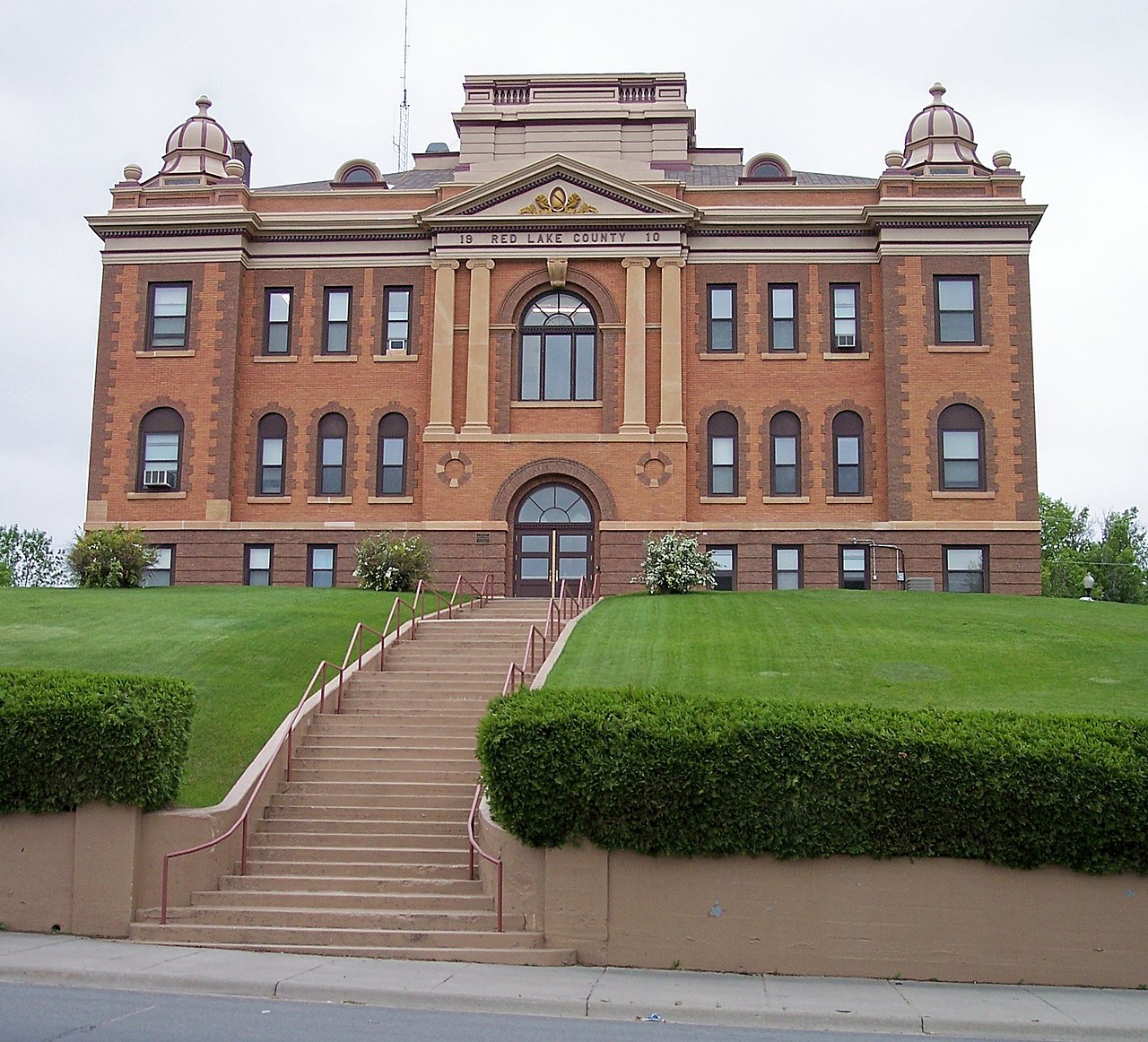

Geography and communities
The county consists largely of flat to gently rolling farmland, intersected by rivers and streams that support agriculture and wildlife. Settlements are compact and few in number; most residents live in or near a handful of small towns and townships. Roads and county services are arranged around farmsteads, grain elevators and community institutions typical of rural Minnesota.
History and development
The area that became Red Lake County was settled during the broader Euro-American expansion into northern Minnesota in the late 19th century. Before that, the landscape was home to Indigenous peoples and supported seasonal travel and resource use. Town centers formed where watercourses and transportation routes encouraged mills, markets and civic institutions.
Economy and land use
Agriculture is the dominant economic activity, with fields of row crops and pastureland shaping the local economy and lifestyle. Small businesses, public services and occasional light manufacturing provide employment in towns. County government and school districts are important employers and support community infrastructure.
Culture, recreation and notable features
Outdoor recreation—hunting, angling, snowmobiling and river-side activities—plays a large role in local life. Community events, fairs and volunteer organizations sustain social ties. The county is also known for its low population density and the strong presence of family-run farms.
Distinctions and present-day context
- Remains one of Minnesota's smaller counties by population and service footprint.
- Maintains a landscape dominated by agriculture and river corridors.
- Continues to balance rural traditions with the needs of modern local governance and community services.
Related articles
Author
AlegsaOnline.com Red Lake County, Minnesota Leandro Alegsa
URL: https://en.alegsaonline.com/art/81672