
Connection (concept)
An explanation of connection as a physical and abstract concept: types, characteristics, history, common uses in transport, technology and relationships, and how it differs from related terms.
Overview
A connection is any means by which two or more entities are joined, linked, or associated. The term covers tangible joins—such as a metal chain connecting two objects or a highway linking cities—and abstract associations, such as emotional ties, logical links in reasoning, or data links in a computer network. In everyday language people also use the word in a figurative sense to describe relationships, compatibility, or continuity.
Image gallery
1 Image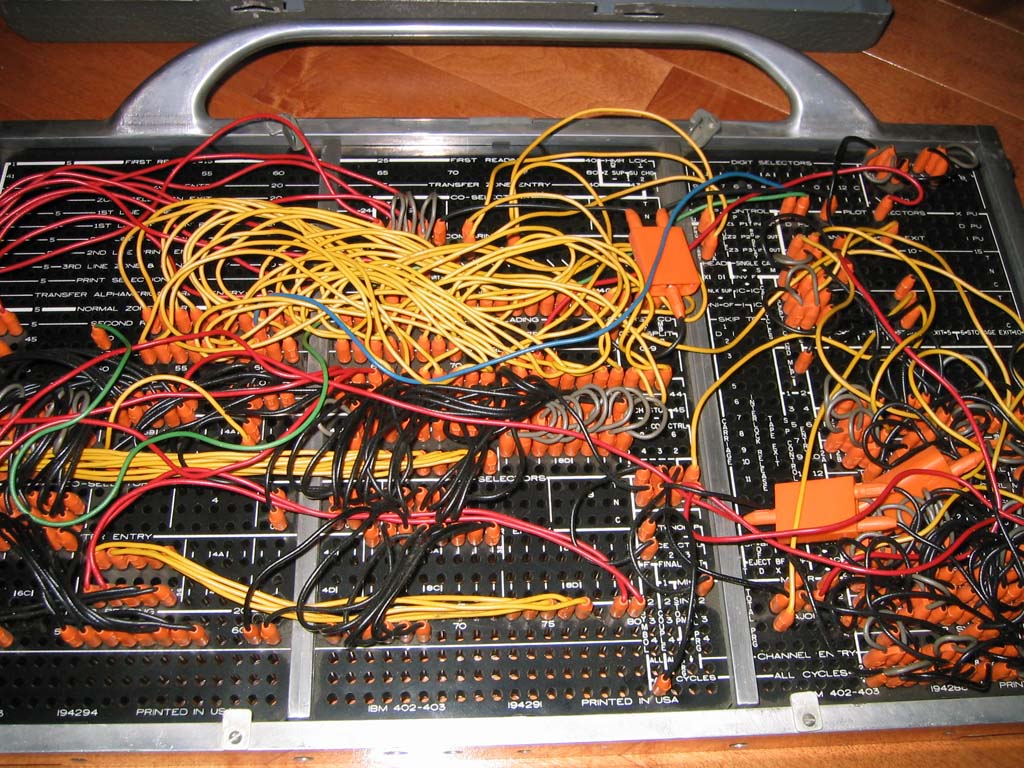
Characteristics and common types
Connections can be described by how they operate, what they transmit, and the permanence of the link. Typical categories include:
- Physical connections: mechanical joins, fasteners, pipes, bridges, cables—structures that physically bind or carry loads and materials.
- Electrical and electronic connections: circuits, plugs, sockets and wireless links that allow the flow of power or signals.
- Transport connections: routes, timetables and interchanges that enable movement of people or goods between locations.
- Informational and computational connections: network links, database relations and API calls that exchange data or enable interoperability.
- Social and conceptual connections: relationships, shared ideas, cause–effect links and associations used in reasoning or storytelling.
History and language
The word "connection" in English evolved from older forms in Romance languages and Latin, reflecting a long-standing human interest in binding things together. Over time, the term broadened from describing physical fastening to encompassing symbolic and procedural links—an expansion that mirrors technological and social developments requiring new kinds of linkage.
Uses and examples
Connections play central roles across fields. In engineering they determine structural integrity and safety. In transport, scheduling and transfer points create effective connections between services. In computing, stable network connections and well-defined interfaces make systems interoperable. Socially, connections between people underpin cooperation, trust, and information flow.
Distinctions and notable facts
It helps to distinguish a connection from related concepts: a connection is a specific joining or link, while a relation may be a broader category of association; correlation is a statistical pattern that does not imply a direct connection or causation. Reliability, capacity and redundancy are important properties: redundant connections increase resilience, and constrained connections limit throughput or influence.
Recognizing the type and quality of a connection informs design and analysis in many disciplines, from choosing suitable fasteners in construction to architecting fault-tolerant networks and nurturing productive social ties.
Related articles
Author
AlegsaOnline.com Connection (concept) Leandro Alegsa
URL: https://en.alegsaonline.com/art/22554