
Radboud University Nijmegen
Radboud University Nijmegen is a public research university in Nijmegen, the Netherlands, founded in 1923. It combines broad teaching programs with research strengths in medical, social and cognitive sciences.
Radboud University Nijmegen is a public research university located in the city of Nijmegen in the province of Gelderland in the Netherlands. Established in 1923 to serve the region's need for higher education, it has grown into a comprehensive institution offering undergraduate, graduate and doctoral programs across the sciences, humanities and professional fields. The university is home to roughly 23,000 students and a large staff of researchers and teachers, and it maintains a notable teaching hospital and several interdisciplinary research institutes.
Image gallery
10 Images






Campus, organisation and academic structure
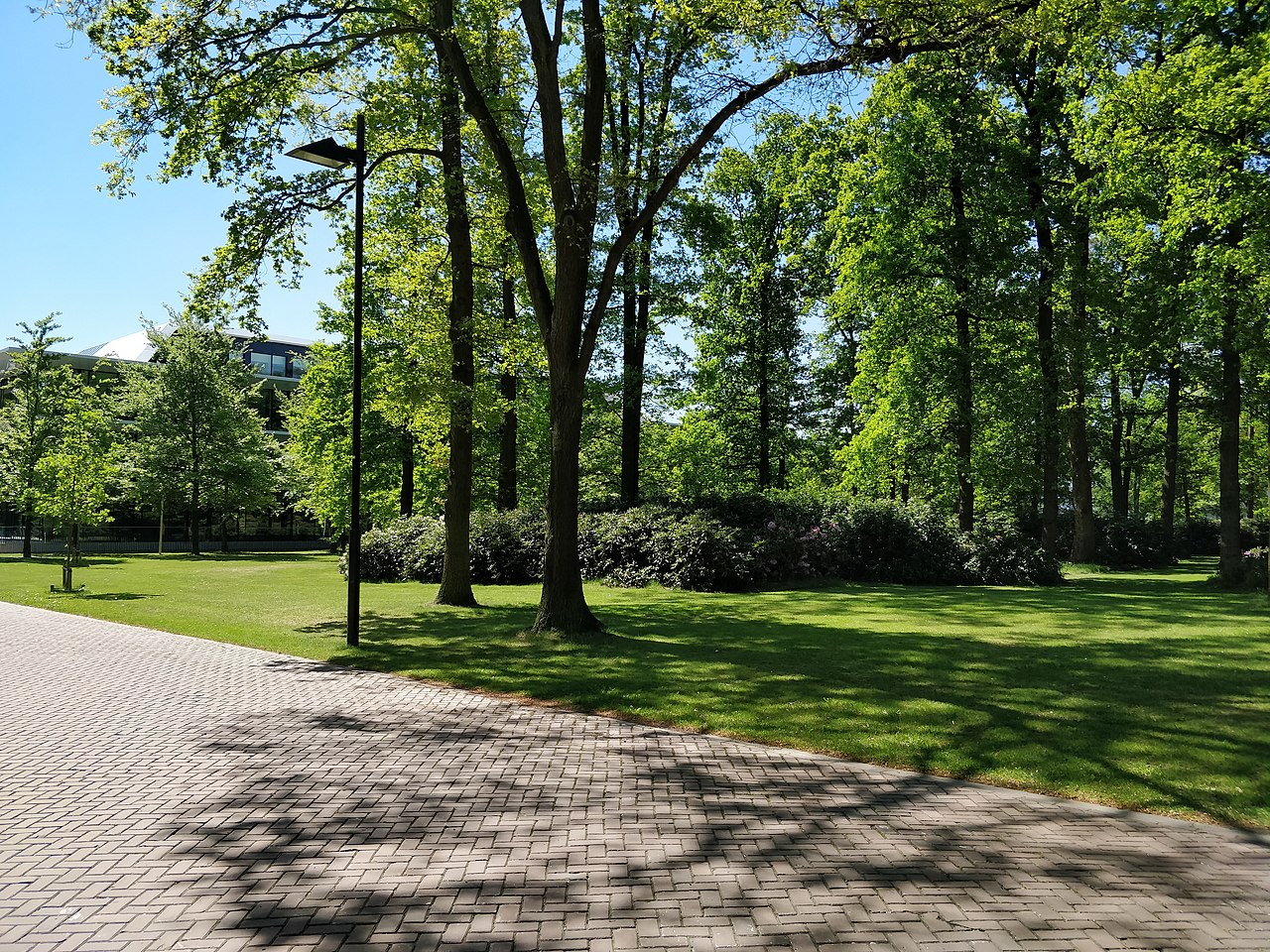
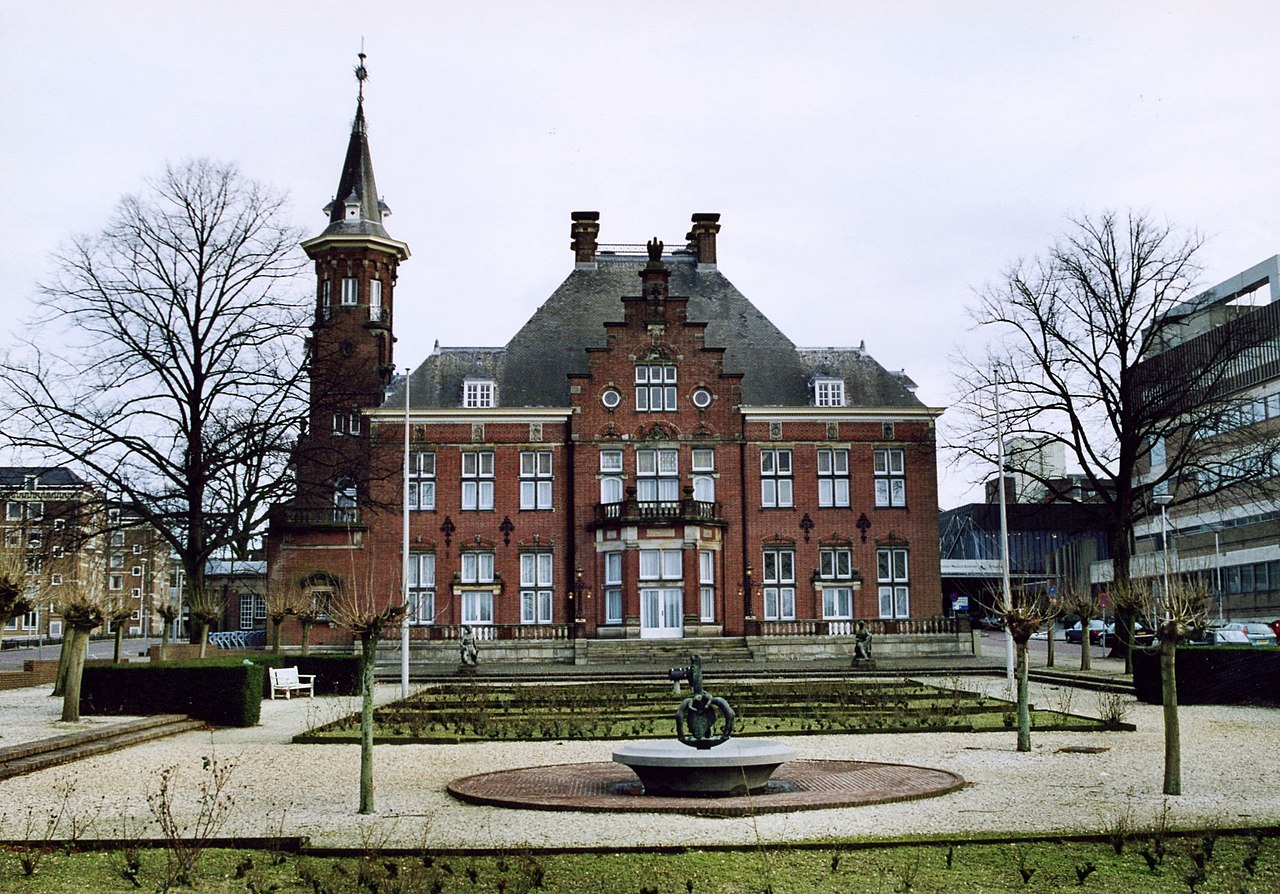
The university operates a modern campus with academic buildings, research laboratories and student facilities clustered around Nijmegen. Its organizational structure groups activities into faculties and institutes that cover major domains such as natural sciences, social sciences, law, humanities and medicine. A prominent affiliated entity is the university medical centre, which functions both as a regional hospital and as a centre for clinical teaching and medical research. The campus hosts international students and offers a selection of English-taught master's programs and exchange opportunities.
Research focus and notable centres
Radboud is research-intensive and places particular emphasis on interdisciplinary work. Areas of strength include medical and health sciences, cognitive and brain sciences, language and culture studies, and environmental and sustainability research. The institution supports specialized research units and centres that promote collaboration between departments and with external partners from industry and public services.
History and development
Founded in the early twentieth century, the university began with a mission to provide higher education for a Catholic population but later broadened its remit to serve a diverse student body and secular research agenda. Over the decades it expanded its academic offerings, invested in research infrastructure and deepened ties with regional and international partners. The university name honours a historic regional figure and reflects its roots while the institution itself has evolved into a modern European research university.
Teaching, international links and public role
Programs at Radboud span bachelor's, master's and PhD levels and combine classroom teaching with laboratory work and clinical practice where appropriate. The university participates in international exchange networks and maintains partnerships with institutions across Europe and beyond, facilitating student mobility and collaborative research. Locally, Radboud contributes to regional innovation, health care and culture through education, research projects and public engagement.
Quick facts and further information
- Founded: 1923.
- Student body: around 23,000 (undergraduate and graduate).
- Prominent components: university medical centre and several interdisciplinary research institutes.
For official information and program details see the university's pages: official website. To learn about the host city, see Nijmegen, while broader regional and national context can be found via Gelderland and the Netherlands.
Related articles
Author
AlegsaOnline.com Radboud University Nijmegen Leandro Alegsa
URL: https://en.alegsaonline.com/art/80726