
Quiz (game and assessment)
A quiz is a short set of questions used as a game, learning tool, or assessment. Quizzes appear in classrooms, media, events and online to test knowledge, provide feedback, or entertain participants.
Overview
A quiz is a concise sequence of questions presented to individuals or teams with the aim of eliciting correct answers. Quizzes serve multiple roles: they can be a form of light entertainment, a classroom activity to reinforce learning, or a brief assessment to measure knowledge and skills. As a format, a quiz is usually shorter and more focused than formal examinations, and it often emphasizes rapid response and broad coverage rather than deep, extended analysis.
Image gallery
4 Images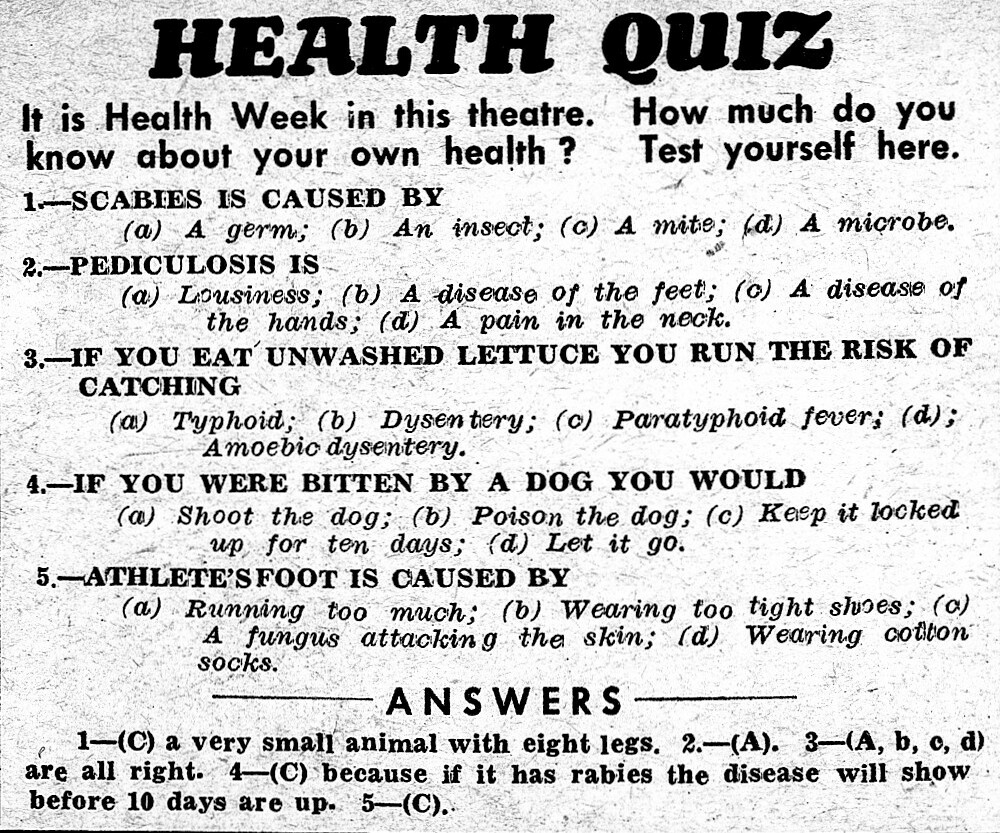


Common formats and features
Quizzes come in many shapes and modes. Common question types include:
- Multiple-choice: respondents select one or more options from a list.
- True/false and yes/no: quick binary choices useful for basic facts.
- Short answer and fill-in-the-blank: require brief written responses or specific terms.
- Picture, audio, and video items: use media to test recognition or interpretation.
- Timed rounds and lightning questions: reward speed as well as accuracy.
Uses and importance
In education, quizzes are widely used as formative tools to give learners and instructors immediate feedback, to identify misconceptions, and to motivate study. In entertainment, pub quizzes, radio and television quiz shows, and online personality or trivia quizzes engage audiences and build community. Employers and trainers use quizzes for onboarding, compliance checks, and periodic knowledge checks. Online platforms have expanded quiz use by enabling instant scoring, analytics, and adaptive question selection.
Scoring, structure and administration
Most quizzes assign points to each question and rank participants by total score. Formats vary from single-session individual quizzes to team-based contests; some include tie-breakers or final bonus questions. Scoring can be straightforward or include partial credit and negative marking. Digital quizzes often provide immediate feedback, record response times, and support randomized question banks to reduce memorization or cheating.
History and development
The quiz concept traces its roots to informal parlor games and classroom oral questioning. It gained mass visibility through broadcast quiz shows in the 20th century and later adapted to computerized formats with the rise of personal computers and the internet. Contemporary trends include gamification—adding badges, leaderboards and progress tracking—and adaptive testing that adjusts difficulty to the respondent's level.
Distinctions and quality considerations
Quizzes differ from tests and exams mainly in scope and purpose: quizzes are typically shorter, more frequent and often formative, while exams are larger, higher-stakes and summative. Well-designed quizzes align questions with clear learning objectives, use fair and unbiased language, balance difficulty, and provide useful feedback. Poorly constructed quizzes can mislead about ability, so attention to validity and reliability is important when quizzes inform decisions.
Related articles
Author
AlegsaOnline.com Quiz (game and assessment) Leandro Alegsa
URL: https://en.alegsaonline.com/art/80603