
Quogue, New York
Quogue is a small incorporated village on the South Fork of Long Island in the Town of Southampton, Suffolk County. It is primarily residential and seasonal, known for beaches, conservation and quiet village life.
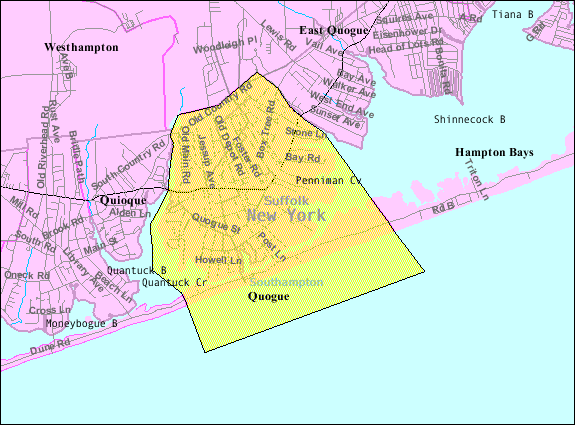
Overview: Quogue is an incorporated village in Suffolk County, New York, within the Town of Southampton on the South Fork of Long Island. It recorded a population of 967 in the 2010 United States Census. The village combines year‑round residents with a larger seasonal population drawn by beaches, natural areas and a low‑density residential character.
Image gallery
5 Images


Landscape and character
Quogue is primarily residential, with a mix of historic cottages and newer homes set among maritime vegetation, dunes and woodlands. The village lies close to Atlantic Ocean beaches and tidal bays; shoreline access and dune systems shape local recreation and conservation priorities. Salt marshes, ponds and small preserves contribute to a rural feeling compared with more built-up parts of Long Island.
History and development
Originally a modest fishing and farming settlement, Quogue became known as a seaside retreat in the late 19th and early 20th centuries when seasonal visitors established summer houses. Over time residents organized municipal services and zoning through village incorporation to manage growth, protect shorelines and preserve community character.
Community, government and services
The village is governed locally by a village board typical of New York villages, responsible for zoning, public safety and local services. Commercial activity is limited; small shops and service businesses in the village center cater to residents and visitors. Education and broader municipal services are provided through local and regional school and town arrangements.
Recreation and conservation
Outdoor activities in and around Quogue include beachgoing, birdwatching, boating and walking on conservation trails. Nearby protected areas, including local wildlife refuges and preserves, are important for habitat protection and public programs focused on nature and environmental stewardship. The community places emphasis on shoreline stewardship and maintaining open space.
Transportation and regional context
Quogue is part of the South Fork or Hamptons region of Long Island and is connected to neighboring towns by local roads. Rail and regional transit services serving the broader area provide access to New York City and other parts of Long Island; many visitors reach the village by car during the summer season. Quogue is often described as quieter and more residential than some neighboring resort communities, prized for its natural settings and village scale.
Related articles
Author
AlegsaOnline.com Quogue, New York Leandro Alegsa
URL: https://en.alegsaonline.com/art/80608
Sources
- southamptontownny.gov : "Suffolk County Tax Map Range"
- factfinder2.census.gov : "Geographic Identifiers: 2010 Demographic Profile Data (G001): Quogue village, New York"