
Babruvahana: Son of Arjuna and King of Manipur
Babruvahana, a prince of Manipur in the Mahabharata, is known as the son of Arjuna and Chitrangada, a warrior-king who figures in a dramatic father–son confrontation and later regional traditions.
Babruvahana (also spelled Babhruvahana or Babhru Vahana) is a figure from the Indian epic tradition best known from the Mahabharata. He is described as the son of the Pandava hero Arjuna and Chitrangada, the princess of Manipur. Born during Arjuna's period of exile, Babruvahana was reared in his mother's kingdom and later succeeded his grandfather as ruler. Accounts emphasize his royal upbringing, martial skill, and the complicated family bonds that lead to one of the epic's most poignant confrontations.
Image gallery
5 Images


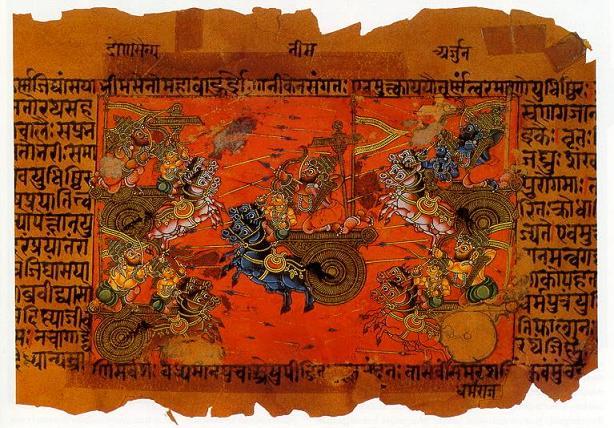
Identity and family
Traditional narratives present Babruvahana as both a prince and a warrior. His parentage links him to two distinct cultural spheres: the northern, Vedic-centered lineage of the Pandavas through his father, and the northeastern kingdom of Manipur through his mother. This mixed heritage is reflected in portrayals that give him the dignity of kingship alongside the prowess expected of an offspring of Arjuna. Different manuscripts and regional retellings vary in name forms and minor details, but his core identity as Chitrangada's son and a sovereign of Manipur is consistent.
Key episodes and themes
One of the central episodes featuring Babruvahana is his encounter with Arjuna after the great Kurukshetra war. In many versions he meets his father when Arjuna visits or travels through Manipur as part of a ritual journey. Misrecognition and pride lead to a duel in which Babruvahana wounds or slays Arjuna. This tragic outcome is reversed in most tellings by the intervention of Uloopi, a Naga princess and one of Arjuna's wives, who restores Arjuna to life by means described variously as a magical jewel, a sacred ritual, or divine medicine. The episode explores themes of duty, filial loyalty, fate, and reconciliation.
Reign and legacy
As king of Manipur, Babruvahana is depicted as a ruler of stature and authority. Sources speak of his palace, administration, and role in preserving his mother's lineage. Although he does not play a central part in the larger battlefield politics of the Mahabharata, his story serves to extend the epic's concern with family ties beyond the core geography of Hastinapura and Indraprastha. Over time his tale has been absorbed into regional literature and performing arts, especially in northeastern India, where local traditions celebrate the episode in dance, drama, and oral retellings.
Notable aspects and interpretations
- Cultural crossover: Babruvahana embodies a meeting point between mainstream epic culture and local dynastic traditions.
- Variations: Different recensions of the epic and folk traditions present alternate details about the duel and the method of Arjuna's revival.
- Symbolism: The father–son conflict is often read as an exploration of identity, honor, and the costs of heroism.
Babruvahana's episode remains a vivid example of how the Mahabharata folds diverse regional stories into its larger narrative fabric. For readers interested in consulting primary or scholarly treatments, the episode can be located in classical translations and is discussed in commentaries that trace its literary and cultural afterlife. Further information and variant readings can be explored via sources on the Mahabharata, studies of Arjuna, and regional histories of Manipur.
Tags
Related articles
Author
AlegsaOnline.com Babruvahana: Son of Arjuna and King of Manipur Leandro Alegsa
URL: https://en.alegsaonline.com/art/8041