
Quad Cities (Iowa–Illinois metropolitan area)
A five‑city metropolitan area on the Mississippi River spanning Iowa and Illinois, known for river commerce, manufacturing, cultural institutions, and shared regional identity.
Overview
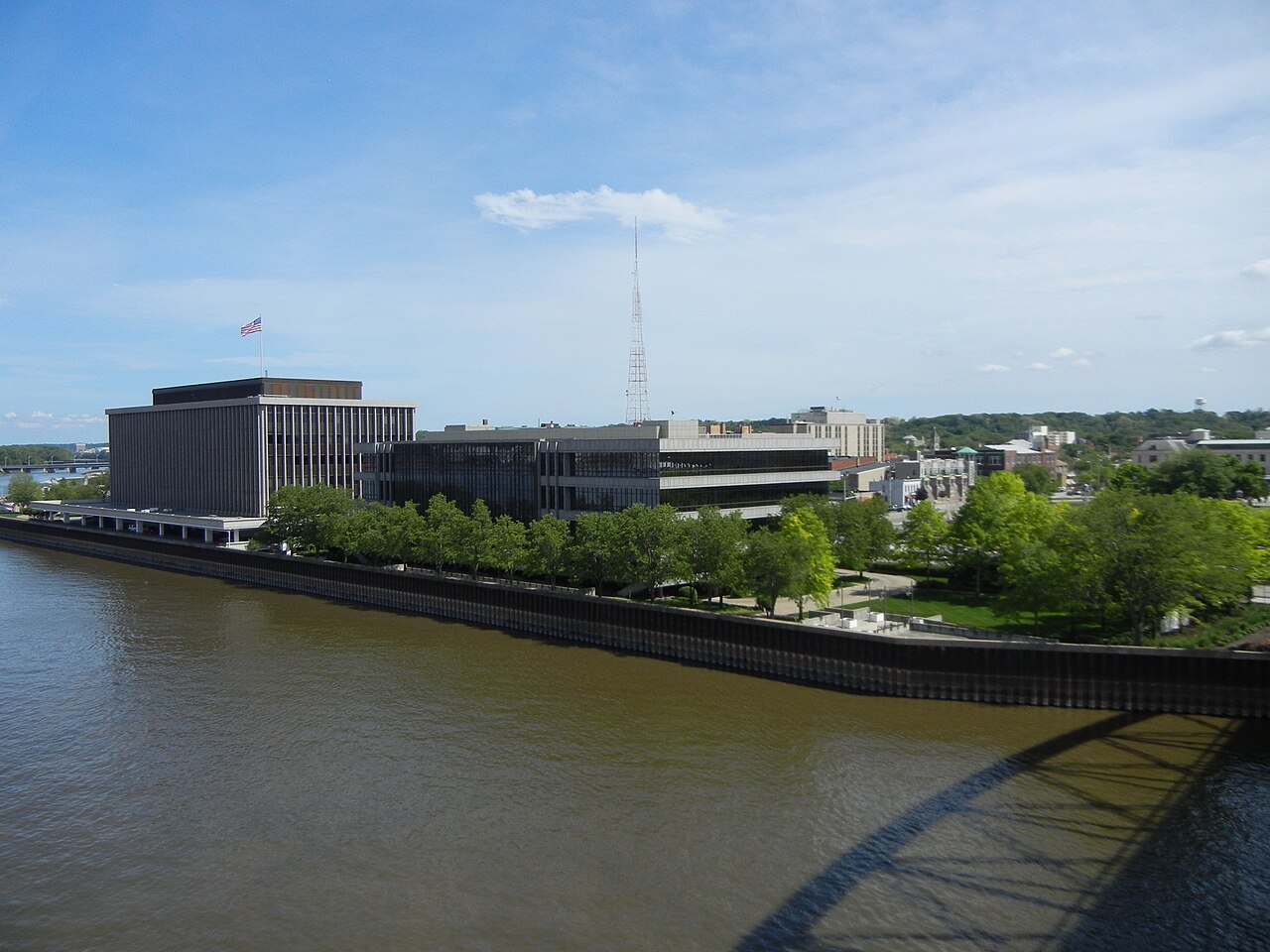
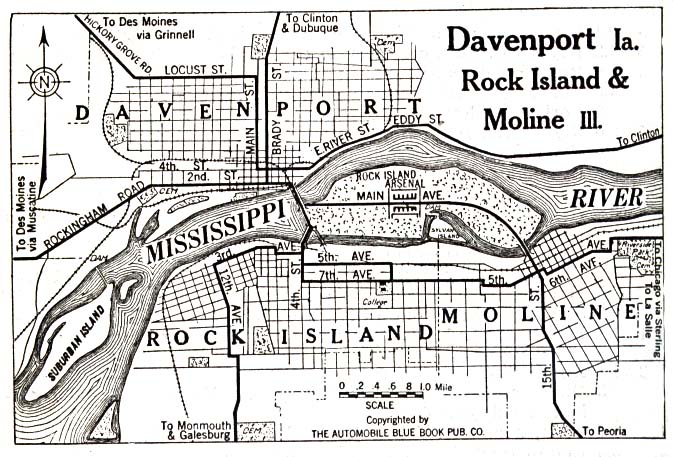
The Quad Cities is a commonly used name for a contiguous metropolitan area spread across two U.S. states, straddling the Mississippi River. Although the phrase suggests four cities, the region today comprises five principal cities in Iowa and Illinois. The combined urban area has a population approaching 400,000 and functions as a single economic and cultural region with multiple downtowns, riverfronts, and transportation links.
Image gallery
9 Images




Cities and characteristics
The core municipalities are:
- Davenport — the largest city in the group, with a diverse economy, arts venues, and historic neighborhoods.
- Bettendorf — a growing suburban community on the Iowa side with residential and commercial development.
- Moline — a center for industry and corporate headquarters, historically tied to manufacturing.
- East Moline — a smaller industrial and residential city adjacent to Moline.
- Rock Island — home to historic districts and a federal arsenal complex.
History and development
The riverside location shaped settlement and growth: river commerce, rail connections and regional agriculture encouraged mills, factories and trade. Over time the five cities developed separate municipal governments but strong economic and social ties. The name "Quad Cities" arose during a period when four municipalities dominated the area; it has persisted even after expansion and consolidation changed the local map.
Economy, transport and culture
Industry, manufacturing and logistics remain important, alongside services, health care and education. Major employers have included agricultural equipment and manufacturing firms, and the river continues to support barge traffic and recreation. The region is linked by several bridges across the Mississippi, a regional airport and highways that support commuting and commerce. Cultural life features museums, music festivals, riverfront parks and annual events that draw visitors from the surrounding states.
Notable features and distinctions
The Quad Cities illustrate an interstate metropolitan area where multiple cities cooperate on economic development, tourism and transportation while maintaining distinct local identities. Notable institutions and sites—such as regional museums, historic downtowns, and military facilities located on river islands—contribute to the area’s character. The persistence of the "Quad Cities" name despite there being five principal cities is a well‑known regional quirk often explained in local histories and tourism materials.

Questions and answers
Q: How many cities are included in the Quad Cities?
A: The Quad Cities is comprised of five cities along the Mississippi River.
Q: What are the names of the cities included in the Quad Cities?
A: The cities in the Quad Cities group are Davenport and Bettendorf in Iowa, and Moline, East Moline, and Rock Island in Illinois.
Q: Which of the cities in the Quad Cities is the largest?
A: Davenport is the largest city in the Quad Cities.
Q: How many people approximately live in the Quad Cities area?
A: Nearly 400,000 people reside in the Quad Cities area.
Q: In which states are the cities of the Quad Cities located?
A: Two of the Quad Cities cities, specifically Davenport and Bettendorf, are situated in Iowa, whereas Moline, East Moline, and Rock Island are in Illinois states.
Q: Is the Mississippi River located near the Quad Cities?
A: Yes, the Quad Cities are located along the Mississippi River.
Q: What is the Quad Cities?
A: The Quad Cities refers to a group of five individual cities located along the Mississippi River in Iowa and Illinois.
Related articles
Author
AlegsaOnline.com Quad Cities (Iowa–Illinois metropolitan area) Leandro Alegsa
URL: https://en.alegsaonline.com/art/80351
Sources
- blog.chron.com : "Astros pair with minor league affiliate in Iowa"
- crh.noaa.gov : crh.noaa.gov
- quadcities.com : "About The Quad Cities"
- obamawhitehouse.archives.gov : "Making Tractors, Airplanes, and Armor in the Quad Cities"