
Quảng Bình Province, Vietnam
Quảng Bình is a coastal province in Vietnam's North Central Coast, known for Phong Nha–Kẻ Bàng karst park, extensive cave systems, wartime history, and a cultural heritage tied to several notable Vietnamese figures.
Overview
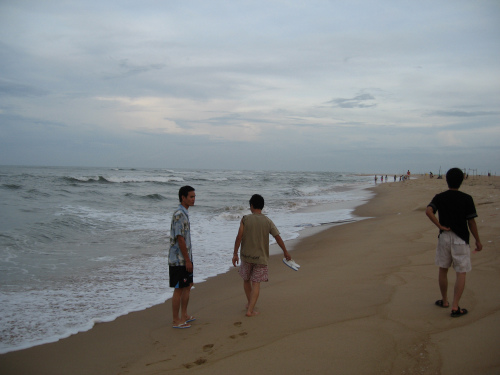
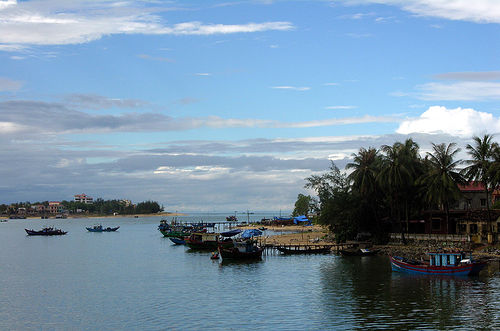
Quảng Bình is a province on Vietnam's North Central Coast. It combines a long coastline on the South China Sea with rugged interior karst landscapes. The province is most widely known for Phong Nha–Kẻ Bàng National Park, a UNESCO World Heritage site celebrated for its cave systems and limestone formations.
Image gallery
10 Images




Geography and natural features
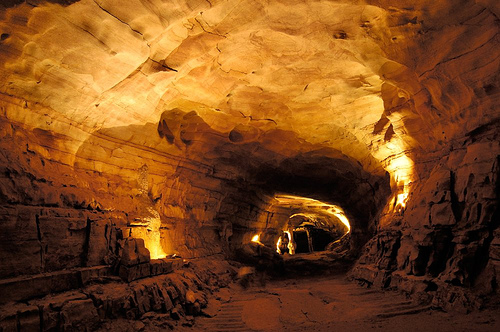
The province's terrain ranges from narrow coastal plains to steep karst mountains. Phong Nha–Kẻ Bàng contains extensive underground rivers and some of the largest caves in the world, including Sơn Đoòng and others that attract speleologists and eco-tourists. The area supports diverse flora and fauna and is important for conservation and scientific study.
History and development
Quảng Bình has a long history within the Vietnamese states and later the modern nation. Its strategic location has made it a crossroads of trade and conflict. During the Vietnam War, the province suffered heavy bombing that damaged infrastructure and altered its communities; reconstruction and recovery have been ongoing since the war ended.
Culture, people, and notable figures
The province is the birthplace or home to several prominent Vietnamese figures. Military leader Võ Nguyên Giáp was born in Quảng Bình, and the family of former South Vietnamese president Ngô Đình Diệm had roots there; the president himself is often referenced in histories of the region (Ngô Đình Diệm). Poets and writers such as Hàn Mặc Tử and Bảo Ninh have also been associated with Quảng Bình, contributing to its literary heritage.
Economy, tourism, and importance
Today the province balances traditional activities—fishing, agriculture, and small industry—with growing tourism centered on caves, national-park trekking, and coastal resorts. Phong Nha–Kẻ Bàng draws international visitors for scientific tours, adventure caving, and ecotourism, which supports local businesses and conservation programs.
Notable distinctions
- Phong Nha–Kẻ Bàng: UNESCO World Heritage recognition for its karst landscape and cave systems.
- Home region of important national figures in military, political, and literary history.
- Significant wartime damage followed by long-term rebuilding, leaving visible historical sites and memorials.
For more detailed maps, travel guidance, and historical context, consult regional resources and dedicated studies on Vietnam's central provinces and World Heritage sites.
Related articles
Author
AlegsaOnline.com Quảng Bình Province, Vietnam Leandro Alegsa
URL: https://en.alegsaonline.com/art/80373
Sources
- quangbinh.gov.vn : "Tong quan Quang Binh"