
Putifigari (Potuvìgari) — small comune in Sardinia, Italy
Putifigari (Sardinian: Potuvìgari) is a small comune in the Province of Sassari, Sardinia, Italy. Area 53.1 km², elevation 267 m; population about 729 (2016). Rural economy and local traditions shape community life.
Putifigari (Sardinian: Potuvìgari) is a small settlement in northwestern Sardinia. It is a town and an administrative comune within the Province of Sassari on the island of Sardinia, Italy. The community had about 729 residents in 2016, occupies roughly 53.1 km², and lies at an elevation of about 267 metres above sea level.
Image gallery
1 Image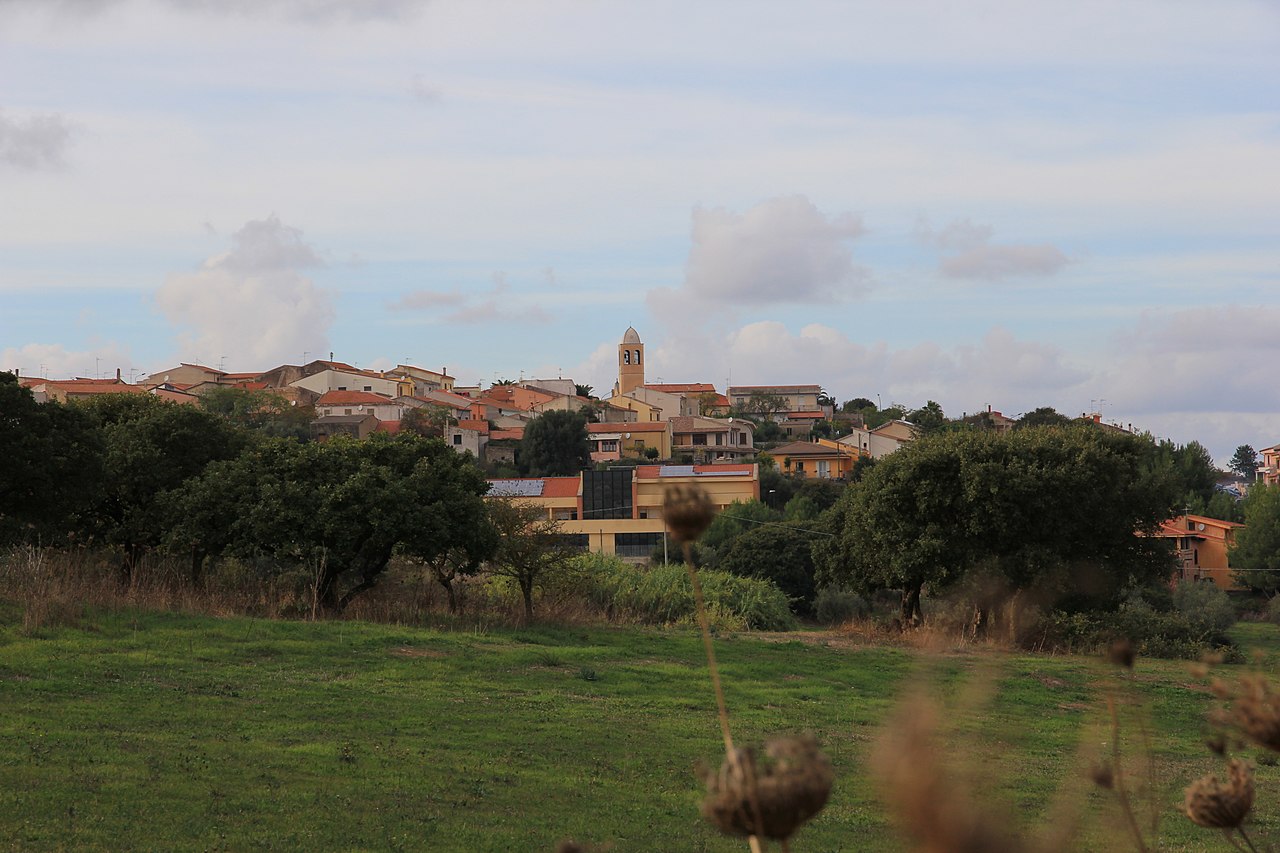
Key facts
- Official names: Putifigari (Italian) and Potuvìgari (Sardinian).
- Administrative status: comune (municipality) in the Province of Sassari.
- Area: approximately 53.1 km²; Elevation: ~267 m; Population: ~729 (2016).
The landscape around Putifigari combines cultivated fields, olive groves, pastures and low hills typical of inland Sardinia. Vegetation includes Mediterranean scrub and orchards; seasonal changes and traditional land use shape the appearance of the surrounding countryside. The comune retains a rural character, with narrow local roads linking it to neighbouring villages and the wider provincial network.
Economic activity in and around Putifigari is largely agricultural and pastoral. Small-scale farming, olive oil and local food production, along with livestock rearing, are important to local livelihoods. Artisanal food traditions and family-run enterprises contribute to the local economy and to seasonal markets.
History, culture and visiting
Putifigari shares the deep historical backdrop of Sardinia. While the modern municipality is a recent administrative entity, the island’s long history — including prehistoric, medieval and more recent rural developments — influences local culture. Traditional festivals, church celebrations and communal events remain central to community life, preserving Sardinian language, music and culinary customs.
Visitors interested in rural Sardinia often find Putifigari representative of small-comune life: limited population, strong local identity and landscapes shaped by long-standing agricultural use. For practical information on services, events and administration, municipal offices and provincial resources can provide current details and contacts.
Further information and official notices may be available through municipal or regional pages and local cultural associations; consult the relevant authorities for up-to-date guidance and visitor information.
Related articles
Author
AlegsaOnline.com Putifigari (Potuvìgari) — small comune in Sardinia, Italy Leandro Alegsa
URL: https://en.alegsaonline.com/art/80167
Sources
- istat.it : "Superficie di Comuni Province e Regioni italiane al 9 ottobre 2011"
- demo.istat.it : "Popolazione Residente al 1° Gennaio 2018"
- demo.istat.it : Istituto Nazionale di Statistica - Bilancio demografico al 30/11/2016
- istat.it : Superficie territoriale per zona altimetrica