
Baba Taher — Persian mystic poet of Hamadan
Baba Taher (often called Oryan) was a Persian mystic poet from Hamadan. Known for short two‑couplet poems, his verse blends folk language, spiritual longing and simple imagery; his tomb is in Hamadan.
Baba Taher is the name given to a celebrated Persian mystical poet traditionally associated with the city of Hamadan. Often called Oryan (meaning "the naked" or "unclothed" in a spiritual sense), he is remembered for brief, powerful poems that express longing, love and renunciation in plain, sometimes vernacular language. His life is not well documented and dates are uncertain; scholars commonly place him in the early medieval period of Persian literature.
Image gallery
4 Images


Poetic style and themes
Baba Taher is best known for short two-couplet poems known as do-beyti (two‑couplet stanzas). These pieces are direct, emotionally intense and often use simple imagery—nature, wine, separation and reunion—to convey Sufi ideas such as the annihilation of the ego and longing for the Divine. The language preserves regional features and has been transmitted in oral and manuscript traditions.
Manuscripts, authenticity and language
Collections of verses attributed to Baba Taher survive in a variety of manuscripts and popular anthologies. Because many short poems circulated orally, modern editors debate which quatrains are authentically his and which were later ascriptions. His idiom shows characteristics of early Persian spoken around Hamadan; scholars discuss links to local dialects and to the broader Persian literary tradition. For more on the Persian language context see Persian resources.
Legacy and cultural importance
Baba Taher has an enduring place in Persian cultural memory. His short poems are often sung or set to regional melodies, and they appear in anthologies and popular recitation. Admirers value the combination of folk directness and mystical depth. The poet is frequently cited in studies of Sufism, folk literature and the development of Persian lyric poetry; general biographies and poetic surveys discuss him among early mystical poets (biographical overview, literary context).
Tomb and commemoration
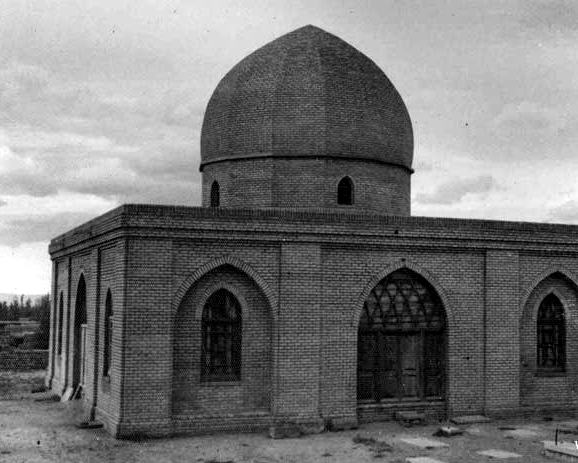
Baba Taher's tomb lies in Hamadan and is visited by those who revere his memory and poetry. Over time the site has been repaired and commemorated, and it serves as a focal point for local cultural memory in Iran. The poet's verses continue to appear in print, recordings and performances, keeping his voice alive across generations.
Key features
- Short, two‑couplet poems (do-beyti)
- Mystical and folk themes: longing, love, renunciation
- Oral transmission and manuscript variation
- Association with Hamadan and continuing popular musical performance
For introductory or reference reading consult general surveys of Persian mystical poetry and regional guides to Hamadan; modern editions and translations discuss both the poems themselves and the complex questions of authorship and transmission.
Related articles
Author
AlegsaOnline.com Baba Taher — Persian mystic poet of Hamadan Leandro Alegsa
URL: https://en.alegsaonline.com/art/8014