
B-movie
A B-movie is a low-budget commercial film, historically the second feature on a double bill. Often genre-driven, B-movies have influenced popular culture, gained cult followings, and been reappraised by critics.
Overview
A B-movie is commonly defined as a commercially produced film made with a relatively small budget and modest ambitions compared with major studio releases. Historically the term described the lower half of a double feature: the shorter, cheaper film shown alongside a main attraction. Over time the phrase has broadened to include any low-budget genre piece, especially those that emphasize action, thrills, sensationalism, or imaginative premises over large-scale production values.
Image gallery
8 Images


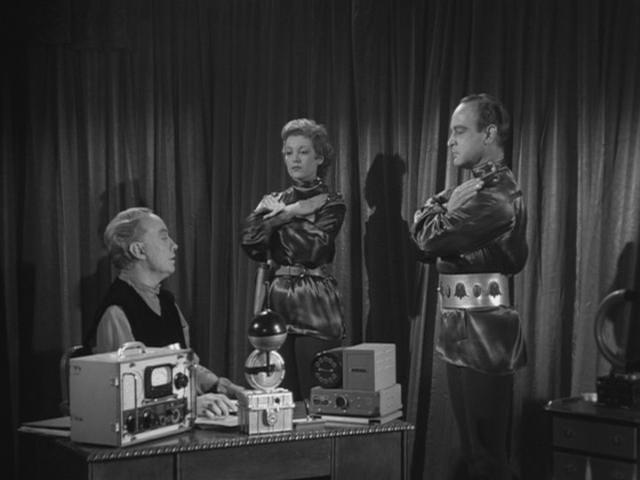
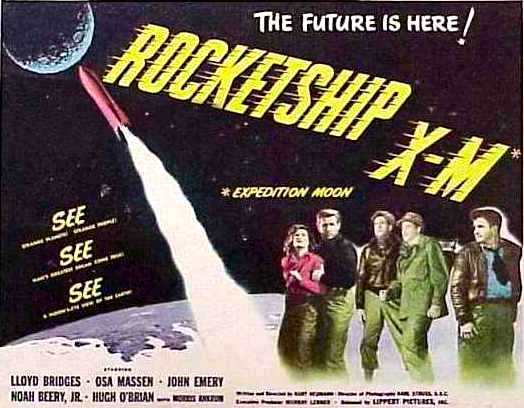
Characteristics
B-movies tend to share practical and stylistic traits: concise running time, tight shooting schedules, limited sets and effects, and a reliance on straightforward storytelling. They frequently showcase emerging actors or performers past their peak mainstream careers. Common genres include horror, science fiction, crime, westerns and exploitation pictures. These features allowed filmmakers to experiment with bold ideas and cultivate distinctive visual and narrative shortcuts.
History and production context
In the studio era, many smaller companies—often called Poverty Row studios—specialized in producing B-movies to meet demand for double bills and neighborhood cinemas. The practice of pairing an "A" and a "B" film declined after changes in exhibition and television's rise, but the model left a legacy of craftsmanship and genre conventions. For historical background and production examples, see additional resources.
Genres, examples and reception
Although once dismissed as disposable, many B-movies have been reassessed by critics and scholars. Some are celebrated for economical storytelling, striking atmosphere, or unintended eccentricities that inspired cult audiences. The crime melodrama Detour and numerous low-budget noirs illustrate how minimal means can produce powerful results; film movements like film noir overlapped with the world of B-level production.
Legacy and contemporary forms
Today the spirit of the B-movie survives in microbudget independent films, direct-to-video releases, and streaming platform originals that prioritize concept over costly effects. B-movies shaped genre grammar, launched careers, and created subcultures around midnight screenings and home-video collecting. Their continued popularity rests on accessibility, inventiveness, and the charm of seeing big ideas pursued on small budgets.
Notable distinctions
- Not all low-budget films are B-movies; the term carries historical and commercial connotations tied to exhibition practices.
- Some B-movies were exploited for sensational content, while others earned critical reevaluation and mainstream recognition.
- The boundary between an "A" and a "B" film has always been fluid—budget, distribution, star power and audience expectations all matter.
Whether viewed as disposable entertainment or as fertile ground for innovation, B-movies remain a significant and influential strand of film history and popular culture.
Tags
Related articles
Author
AlegsaOnline.com B-movie Leandro Alegsa
URL: https://en.alegsaonline.com/art/7984