
Detour (1945 film)
Detour (1945) is a low-budget American film noir directed by Edgar G. Ulmer, celebrated for its stark cinematography, fatalistic narration, and enduring influence; preserved in the U.S. National Film Registry.
Overview
Detour is a 1945 American crime drama directed by Edgar G. Ulmer. Made as a low-budget B picture, it has become one of the most frequently cited exemplars of film noir. Its spare production values and relentless fatalism contributed to a distinctive tone that critics and scholars have praised for decades.
Image gallery
4 Images

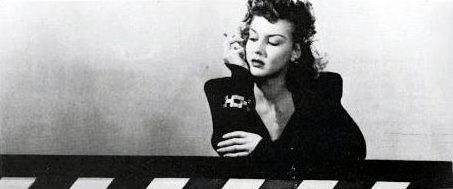

Production and style
The film was produced by a small studio and shot quickly with limited resources. Rather than conceal its thrift, the movie turns austerity into atmosphere: compressed sets, night‑like interiors, and stark lighting create a claustrophobic world. Cinematography plays a central role in the film's impact, using high-contrast light and shadow to underline moral ambiguity and impending doom.
Plot and themes
Detour follows a down-on-his-luck piano player who accepts a ride and soon finds himself entangled with a woman who may be as dangerous as the circumstances that dog him. The story unfolds in a voice-over narration that repeatedly returns to issues of chance, identity, and guilt. Themes of fate, deception, and the consequences of small decisions dominate the narrative and align the film with noir’s preoccupation with pessimism and moral complexity.
Cast and creative team
- Director: Edgar G. Ulmer
- Cinematography: notable for its stark chiaroscuro
- Leads: performances that emphasize desperation and menace
Reception and legacy
Initially released as a modest B movie, Detour has been reappraised over time and is now widely regarded as a classic of its genre. Film historians point to its economical storytelling, fatalistic voice-over, and expressive lighting as qualities that have ensured its survival in critical discussion. The United States National Film Registry selected the film for preservation, recognizing its cultural and aesthetic significance.
Notable facts
Detour is frequently discussed in surveys of film noir and remains influential among filmmakers and critics interested in how atmosphere and performance can compensate for small budgets. The movie has inspired remakes and homages, and its reputation continues to grow as new audiences discover its uncompromising vision.
Related articles
Author
AlegsaOnline.com Detour (1945 film) Leandro Alegsa
URL: https://en.alegsaonline.com/art/26914