
Provinces of Vanuatu
An overview of Vanuatu’s six administrative provinces: names, constituent islands, origins since 1994, roles in governance, and cultural and geographic distinctions.
Overview
The Republic of Vanuatu is organised into six provinces that serve as the primary subnational administrative divisions. These provinces were established in 1994 to provide a practical structure for local administration across the archipelago’s many islands. They group islands and island clusters for purposes of governance, planning and the delivery of some public services.
Image gallery
2 Images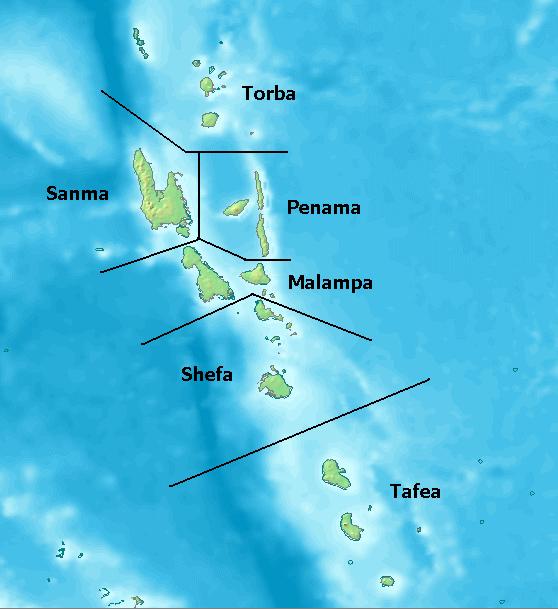

List of provinces and main island groups
- Torba – Banks and Torres island groups
- Sanma – Espiritu Santo and Malo
- Penama – Pentecost, Ambae and Maewo
- Malampa – Malakula, Ambrym and Paama
- Shefa – Efate and the Shepherd Islands (includes the national capital)
- Tafea – Tanna and the southernmost islands
History and development
The current provincial arrangement dates from 1994 when the central government reorganised the country’s internal boundaries to improve administration across dispersed islands. The province names often reflect the islands they contain; several are formed from combinations or acronyms of island names. The change formalised local boundaries while leaving ultimate authority with the national government in Port Vila.
Functions and governance
Provinces act as intermediate units between local communities and the national government. Provincial bodies coordinate regional development projects, maintenance of some public infrastructure, and liaison with central ministries. Customary authorities and village councils remain influential in local decision-making, so provincial administration typically operates alongside traditional leadership.
Geography, culture and significance
The provinces reflect Vanuatu’s geographic spread and cultural diversity: languages, customs and economic activities vary from one province to another. Some provinces contain major towns that concentrate services and tourism, while others are very remote and primarily subsistence-based. This diversity affects infrastructure needs, disaster response planning and development priorities.
Further information
For administrative details, maps and recent developments about the country’s subdivisions see general resources on Vanuatu’s provincial structure. Provinces remain key reference units for statistics, local planning and regional identity within the republic.
Related articles
Author
AlegsaOnline.com Provinces of Vanuatu Leandro Alegsa
URL: https://en.alegsaonline.com/art/79753