
Prussian House of Lords (Preußisches Herrenhaus)
Upper chamber of the Kingdom of Prussia's parliament from 1850 to 1918; a largely aristocratic body that reviewed legislation, represented estates and institutions, and was abolished after the 1918 revolution.
Overview
The Prussian House of Lords, in German Preußisches Herrenhaus, served as the upper chamber of the Kingdom of Prussia's bicameral parliament from its creation in 1850 until the end of the monarchy in 1918. Established in the aftermath of the 1848 revolutions and the constitutional settlement that followed, it functioned alongside the elected lower chamber, the House of Representatives, as a principal forum for reviewing, amending and, in many cases, checking legislation proposed by the government or the lower house.
Image gallery
4 Images


Origins and institutional development
The chamber was formally constituted on 31 January 1850 under the Prussian constitution adopted during the constitutional reaction to the revolutions of 1848. Its formation reflected a compromise between monarchical authority and demands for representative institutions: it preserved elite influence by giving prominent noble families, senior officials and selected civic corporations a permanent role in lawmaking. Over time the House adapted to changes in Prussian society, admitting industrialists and professional figures while retaining a notably conservative orientation.
Membership and composition
Membership of the House combined several distinct categories, which shaped its character and procedures. Members were commonly called "peers" or officially Mitglieder des preußischen Herrenhauses (often abbreviated MdH). Typical types of membership included:
- Hereditary peers, belonging to princely and noble families who held seats by family title.
- Life peers appointed by the King of Prussia for their services or status.
- Ex officio peers who occupied seats by virtue of holding particular offices or estates.
- Representatives delegated by certain cities, universities and corporations to give institutional voices in the chamber.
Although nobles formed the majority, the body also included non-aristocratic members—business leaders, academics and municipal representatives—so that a range of elite interests were present. For general background on hereditary peers in similar systems see hereditary peerage, and for the role of non-noble members see representative commoners.
Powers, procedures and political role
The House of Lords acted primarily as a revising chamber. It examined bills, proposed amendments, sat on committees and could delay or reject proposed legislation, particularly measures affecting property, local government and conservative social interests. In budgetary matters and conflicts with the elected lower chamber the Lords often served as a conservative counterweight to popular pressure. Its influence derived less from direct democratic legitimacy and more from legal authority, aristocratic prestige and the monarch's backing.
Seat, architecture and public presence
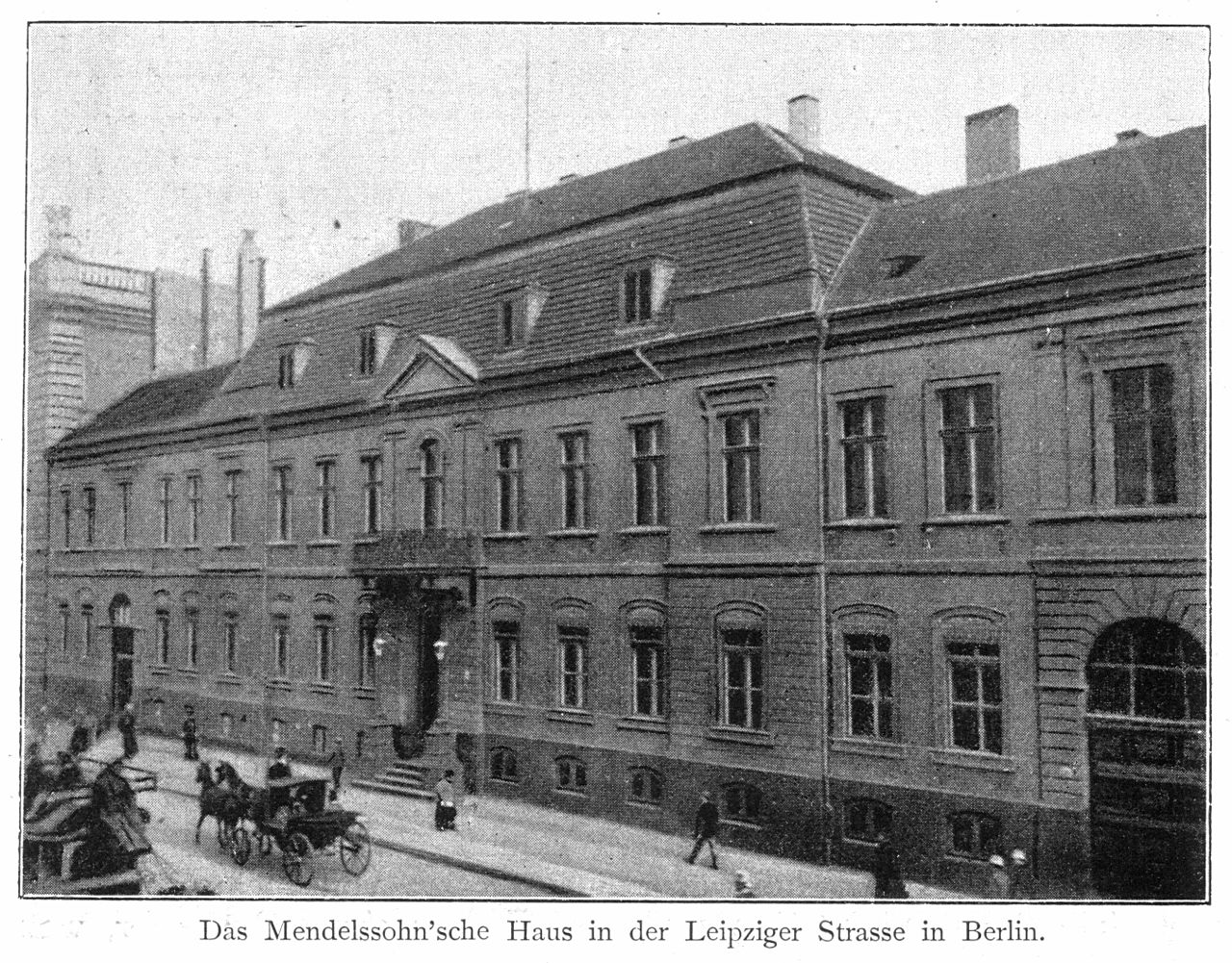
The chamber met in a dedicated building on Leipziger Straße in central Berlin. That assembly house was rebuilt in 1904 by the architect Friedrich Schulze and became a recognizable part of the capital's governmental quarter. The edifice and its chamber rooms embodied the official dignity of the House and provided spaces for plenary sittings, committee meetings and ceremonial occasions; images and plans of the hall are often cited in studies of Prussian parliamentary furniture and architecture building site.
Abolition and legacy
The Prussian House of Lords ceased to exist during the German Revolution of 1918–1919, when the monarchy was abolished and the old estate-based upper chamber lost its legal basis. Republican constitutional reforms removed hereditary and unelected legislative privileges, replacing estate chambers with new organs of parliamentary democracy and appointed state councils. Historians regard the Herrenhaus as an important example of 19th-century conservative constitutionalism: it preserved elite influence into the modern era, shaped legislation affecting Prussia's economy and society, and exemplified the tensions between aristocratic privilege and representative government.
Related articles
Author
AlegsaOnline.com Prussian House of Lords (Preußisches Herrenhaus) Leandro Alegsa
URL: https://en.alegsaonline.com/art/79795