
Province of Rome
Former Italian province centered on Rome, covering coastal, river and hill territories in Latium; renowned for ancient heritage, Vatican enclave and cultural sites; reorganized as a metropolitan city in 2015.
Overview
The Province of Rome was the administrative area surrounding the city commonly called Roma. It lay within the region of Latium and formed a major part of modern Italy. For much of its existence the province included the national capital and a wide mix of urban, suburban and rural territory. The provincial institution handled local services, planning and coordination for many municipalities until a reorganisation created the Metropolitan City of Rome Capital in 2015, a body intended to coordinate development across the wider urban area.
Image gallery
6 Images

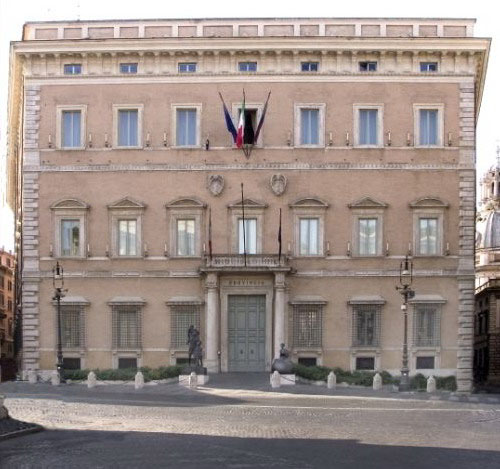

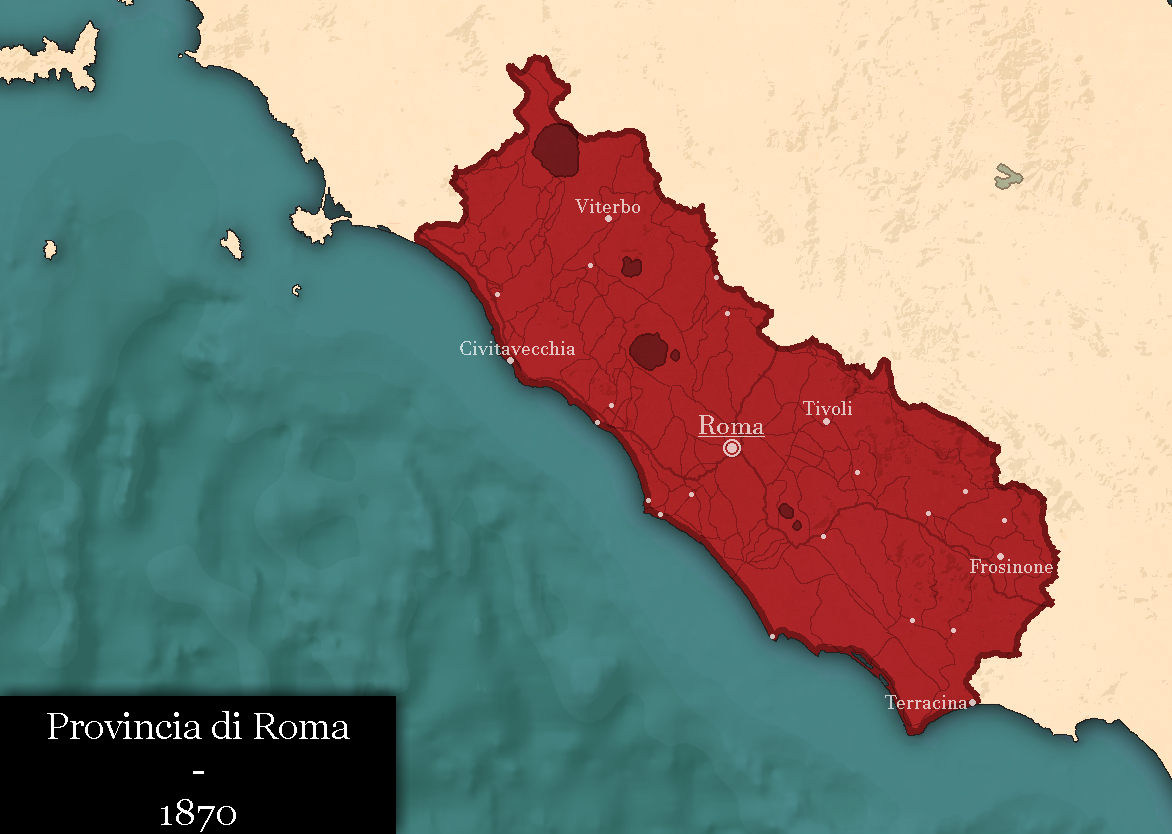
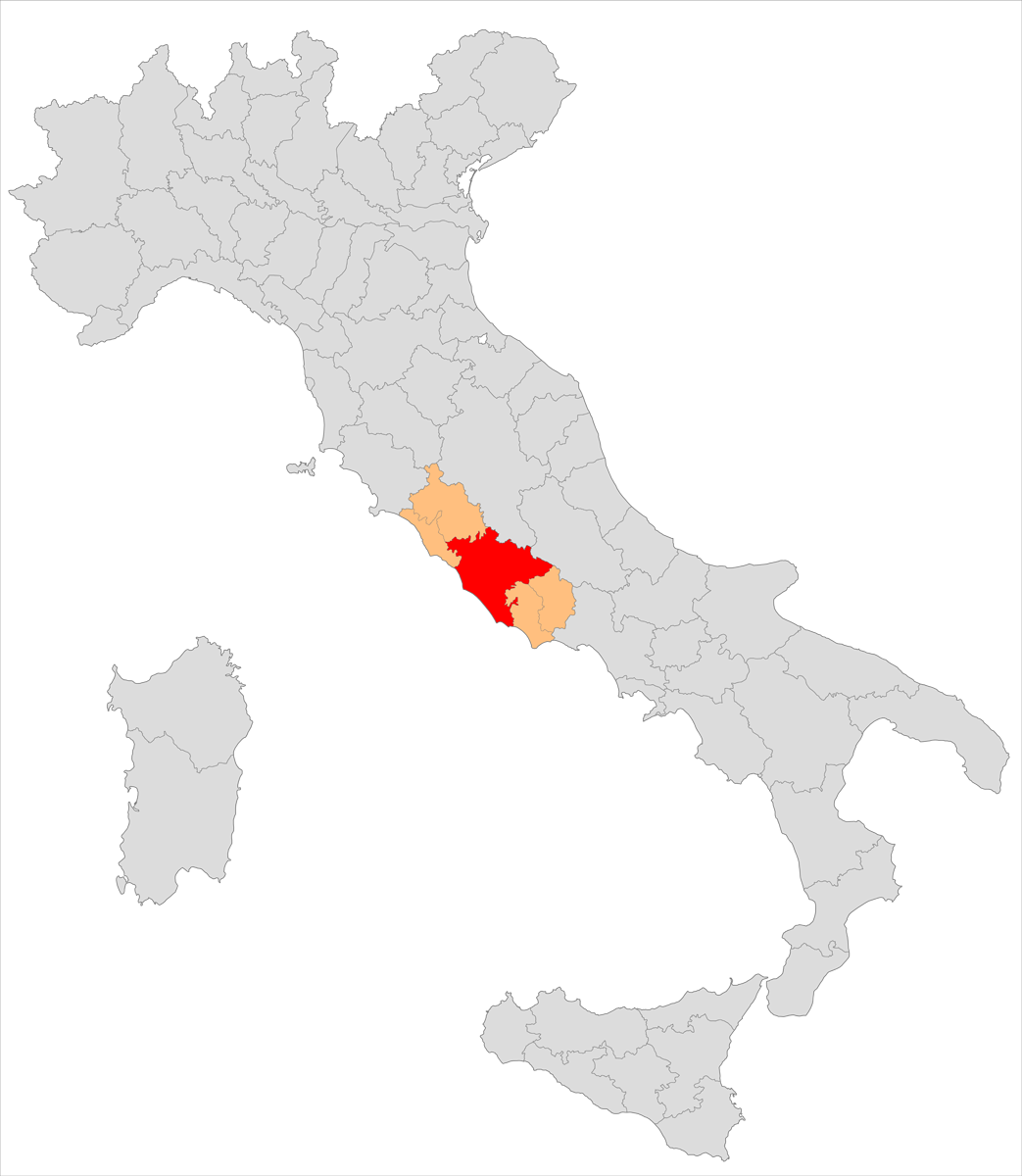
Geography
The former province extended from the Tyrrhenian coast inland across river valleys and volcanic hills. The Tiber river runs through the city, and the territory includes coastal resorts, the port city of Civitavecchia and the international airport area of Fiumicino. South-east of the capital are volcanic hill towns and wooded parks often grouped as the Castelli Romani. The landscape supports agriculture, protected natural areas and densely built urban zones around the capital.
History and administration
The area's identity reflects a long history: pre-Roman settlements, the Roman state, papal rule and incorporation into the unified Italian state. Over time the provincial structure adapted to changing political and administrative needs. The transformation to a metropolitan authority in the 2010s aimed to improve strategic planning for transport, environmental management and public services across the contiguous metropolitan territory. For background on governance and institutional change see the administrative overview.
Economy, transport and infrastructure
The former province combined national political institutions, cultural attractions and a predominantly service-based economy. Major transport hubs — international airports, rail connections and seaports — link the area with domestic and international networks and support tourism and commerce. Municipalities range from dense urban neighborhoods to agricultural communes and seaside resorts, creating a mixed economic profile.
Culture, heritage and tourism
World-renowned archaeological sites and museums are concentrated in the city but also scattered through the former provincial area. The enclave of Vatican City lies inside the urban fabric of Rome as a sovereign state and a focal point for religious and artistic heritage. Visitors travel between historic cores, hill towns and coastal areas to experience a wide range of historical periods and landscapes.
Notes and contemporary relevance
- Capital role: Rome was both the provincial capital and the national capital, giving the area a distinctive administrative and symbolic importance.
- Vatican City: An independent state entirely surrounded by the urban area.
- Metropolitan reform: The creation of the metropolitan authority sought better coordination for planning, transport and services across multiple municipalities.
- Landscape diversity: Coastal zones, river plains and volcanic hills provide varied environments for residents and visitors alike.
For further reading on regional context and contemporary governance consult regional summaries for Latium and national resources for Italy. Additional institutional and historical material is available through the administrative overview and the city pages for Roma.
Related articles
Author
AlegsaOnline.com Province of Rome Leandro Alegsa
URL: https://en.alegsaonline.com/art/79690