
Province of Palermo: geography, history and cultural importance
Overview of the Province of Palermo in Sicily: geography, history, economy, notable sites and its administrative evolution into the Metropolitan City of Palermo.
The Province of Palermo occupies the north-western sector of the island and takes its name from its capital, the city of Palermo. It lies within the autonomous region of Sicily and faces the Tyrrhenian Sea on its northern shore of the island. The area combines a dense urban core around the capital with coastal towns, agricultural plains and mountain ranges inland. Its long coastline, historic port, and diverse landscapes make it a focal point for regional transport and tourism in Italy.
Image gallery
1 Image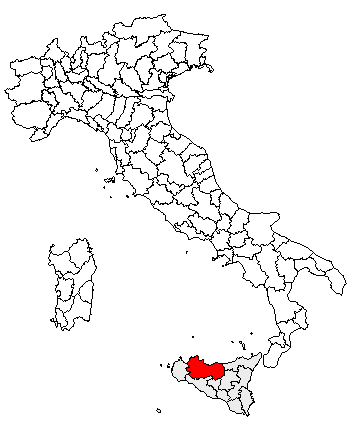
Geography and environment
The territory ranges from sandy beaches and limestone cliffs to forested foothills and peaks in the Madonie range. River valleys and coastal plains support citrus groves, olive cultivation and vineyards, while higher altitudes preserve native flora and protected areas. Climatic conditions are typically Mediterranean on the coast, becoming cooler and wetter toward the interior peaks.
History and cultural heritage
Settlement in the area dates back to antiquity and the province reflects layers of Greek, Roman, Byzantine, Arab, Norman and later influences. Palermo city became a major center under the Norman kings and many religious and civic monuments attest to the island's complex past. Several sites in Palermo and nearby towns form part of a recognized cultural ensemble of outstanding medieval architecture.
Administratively the province historically comprised the capital and numerous towns such as Monreale, Cefalù, Termini Imerese and Bagheria. In the 21st century national reforms reorganized provincial structures into metropolitan entities in many regions, affecting local governance while preserving the same cultural and economic footprint.
Economy and daily life combine public administration, services, port activities, tourism and traditional agriculture. Popular visitor attractions include historic churches, palaces, markets, beaches and mountain trails. The area is noted for its cuisine, crafts and festivals which reflect the island's Mediterranean mix of influences.
Notable places and practical information
- Palermo: cathedral, Norman palaces and historic markets.
- Monreale and Cefalù: important medieval churches and viewpoints.
- Madonie Regional Natural Park: hiking and biodiversity.
For further orientation, refer to official regional sources and local guides. The Province of Palermo remains a significant cultural and economic hub on Sicily, blending urban life with natural and historical attractions.
Related articles
Author
AlegsaOnline.com Province of Palermo: geography, history and cultural importance Leandro Alegsa
URL: https://en.alegsaonline.com/art/79670