
Protectionist Party (Australia, 1889–1909)
Australian political party (1889–1909) advocating tariffs to foster domestic industry; central to early federal governments and merged in 1909 into the Commonwealth Liberal Party in the Fusion.
The Protectionist Party was a major political grouping in Australia from the late 1880s through to 1909. Rooted in the colonial debates over economic policy, it promoted protectionism as a means of nurturing nascent local manufacturing and securing employment for Australian workers. Protectionists argued that carefully designed protective tariffs and selective trade restrictions would allow industry to develop without being immediately undercut by established foreign producers.
Image gallery
4 Images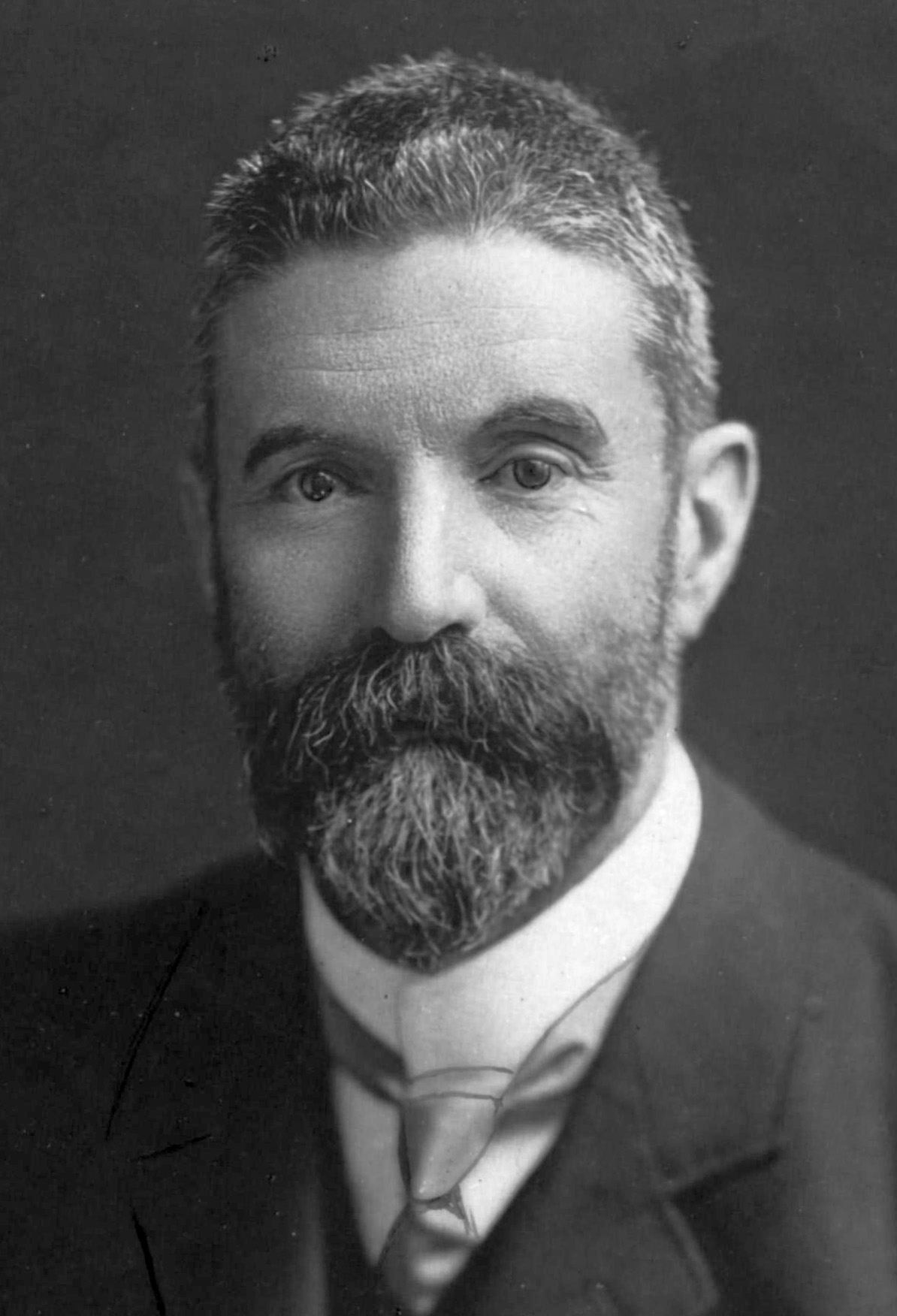


Origins and early development
The party emerged from the politics of the separate Australian colonies, where the division between supporters of protective duties and advocates of free trade shaped electoral alignments. As movement toward federation progressed, politicians who favoured tariffs and industrial development coalesced into a parliamentary grouping that went on to play a defining role when the Commonwealth of Australia was established. The Protectionists drew particular electoral strength from Victoria, where industry was relatively concentrated, and from many rural areas of New South Wales that supported policies to bolster local demand and employment in associated sectors.
Program, organisation and alliances
At its core the Protectionist platform emphasised measured state intervention in the economy to build a diversified domestic industrial base. Proposals included graduated tariffs on selected imports, fiscal measures to support local investment, and public policies designed to expand employment opportunities. The party did not form a rigid mass organisation in the modern party sense but functioned as a parliamentary grouping united by economic policy and by shared views on national development.
- Economic doctrine: protectionism as an instrument of national development.
- Principal instrument: protective tariffs targeted to encourage domestic manufacturing.
- Regional bases: Victoria and rural districts of New South Wales.
Leaders and parliamentary role
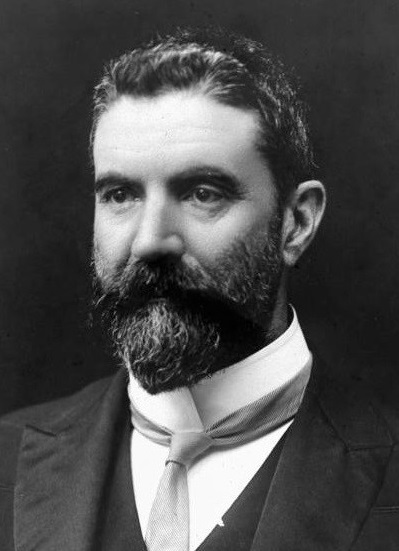
The Protectionist ranks included figures who shaped the new federation. Sir Edmund Barton and Alfred Deakin were the most prominent: Barton led the first federal government and Deakin served as a dominant strategist and multiple‑term prime minister in the early years. The party governed through shifting alliances, most notably relying on parliamentary support from the emerging Labor Party to establish the institutions and pass significant early legislation.
- Sir Edmund Barton — leader at federation and first prime minister.
- Alfred Deakin — architect of several ministries and policy compromises.
- Other influential figures included judicial and parliamentary personalities such as Isaac Isaacs and H. B. Higgins, who represented the party's more liberal or progressive wing.
Relationship with Labor and political realignment
During the first decade of federal parliament the Protectionists frequently negotiated with Labor to secure support for government measures, and some social reforms of the period reflect the compromises reached between the two groups. As Labor's electoral strength increased, culminating in minority governments under leaders such as Andrew Fisher, many non‑Labor politicians concluded that a clearer anti‑socialist alignment was required. This produced debates within the Protectionist ranks about whether to continue cooperation with Labor or to join with conservative anti‑Labor forces.
Decline, the Fusion and legacy
Negotiations between Alfred Deakin and the leader of the conservatives, Joseph Cook of the Anti‑Socialist Party, resulted in a formal merger in 1909. The combination of most Protectionists with the Anti‑Socialists produced the Commonwealth Liberal Party, an event often referred to contemporaneously as the "Fusion." The move was opposed by a liberal minority, including figures who identified with progressive causes and some who later associated with Labor or independent reform movements. Debates about liberalism and the proper limits of state intervention were central to these divisions, and commentators of the time and since have noted the tension between classical liberal sympathies and protectionist economic nationalism in the party's composition (liberal tendencies were present among some members).
The Fusion ended the Protectionist Party as a distinct federal force, but its policy legacy persisted. Tariff policy, industry promotion and the early social legislation negotiated with Labor helped shape the trajectory of Australian economic and social development. Historians of the period study the Protectionists for their role in framing institutions at federation and for how their compromises influenced early Commonwealth law and policy.
Aftermath and later references
Although the original Protectionist Party dissolved in 1909, the label and ideas it represented have recurred in Australian politics. A group using the protectionist name appeared in the 21st century, but it is not a direct institutional continuation of the federation‑era party. For those seeking further information, biographical studies of Barton and Deakin, analyses of tariff debates, and accounts of the 1909 Fusion provide useful entry points to understanding the party's place in Australian political history. Related topics include discussions of the first prime ministers, the formative role of the Labor Party, the governments of Andrew Fisher, and the evolution of non‑Labor political groupings after the Fusion.
Research materials and archival records referenced in historical studies are available through national collections and parliamentary repositories; these sources document the legislative record and personal papers of leading Protectionists and their contemporaries, and allow a fuller appraisal of the party's policies, internal tensions and public impact.
Questions and answers
Q: What was the Protectionist Party?
A: The Protectionist Party was an Australian political party from 1889 until 1909. Its policies were based on protectionism, which argued that Australia needed protective tariffs to allow Australian industry to grow and provide employment.
Q: Where did the Protectionist Party have its greatest strength?
A: The Protectionist Party had its greatest strength in Victoria and in the rural areas of New South Wales.
Q: Who were some of the most important leaders of the Protectionist Party?
A: Some of the most important leaders of the Protectionist Party were Sir Edmund Barton and Alfred Deakin, who were both prime ministers of Australia.
Q: How did Labor's program often differ from that of the Protectionists?
A: Labor's program was often too radical for the Protectionists, so compromises had to be made between them.
Q: Why did many people believe an anti-socialist group was needed to oppose Labor?
A: Many people believed an anti-socialist group was needed to oppose Labor because they wanted a party with more conservative views than those held by Labor.
Q: What happened when Joseph Cook and Alfred Deakin began talks about merging their parties together?
A: When Joseph Cook and Alfred Deakin began talks about merging their parties together, it caused a split within the Protectionists as some members like Isaac Isaacs and H. B Higgins opposed it while others supported it. This ultimately led to what became known as "the Fusion," where most members joined with Anti-Socialists to form a new Commonwealth Liberal Party while more liberal members supported Labor instead.
Q: What happened at Australia's 1910 election?
A: At Australia's 1910 election, Andrew Fisher and his Labor party achieved Australia's first federal majority government as well as its first Senate majority.
Related articles
Author
AlegsaOnline.com Protectionist Party (Australia, 1889–1909) Leandro Alegsa
URL: https://en.alegsaonline.com/art/79510
Sources
- protectionist.net : "Australian Protectionist Party"
- adb.online.anu.edu.au : Australian Dictionary of Biography - Edmund Barton
- adb.online.anu.edu.au : Australian Dictionary of Biography - Alfred Deakin
- commons.wikimedia.org : Protectionist Party