
Temperance movement: history, aims, and legacy
Social and political movement advocating reduced alcohol use or abstinence; influential in 19th–20th century reforms and led to national Prohibition efforts and ongoing local and cultural legacies.
Overview
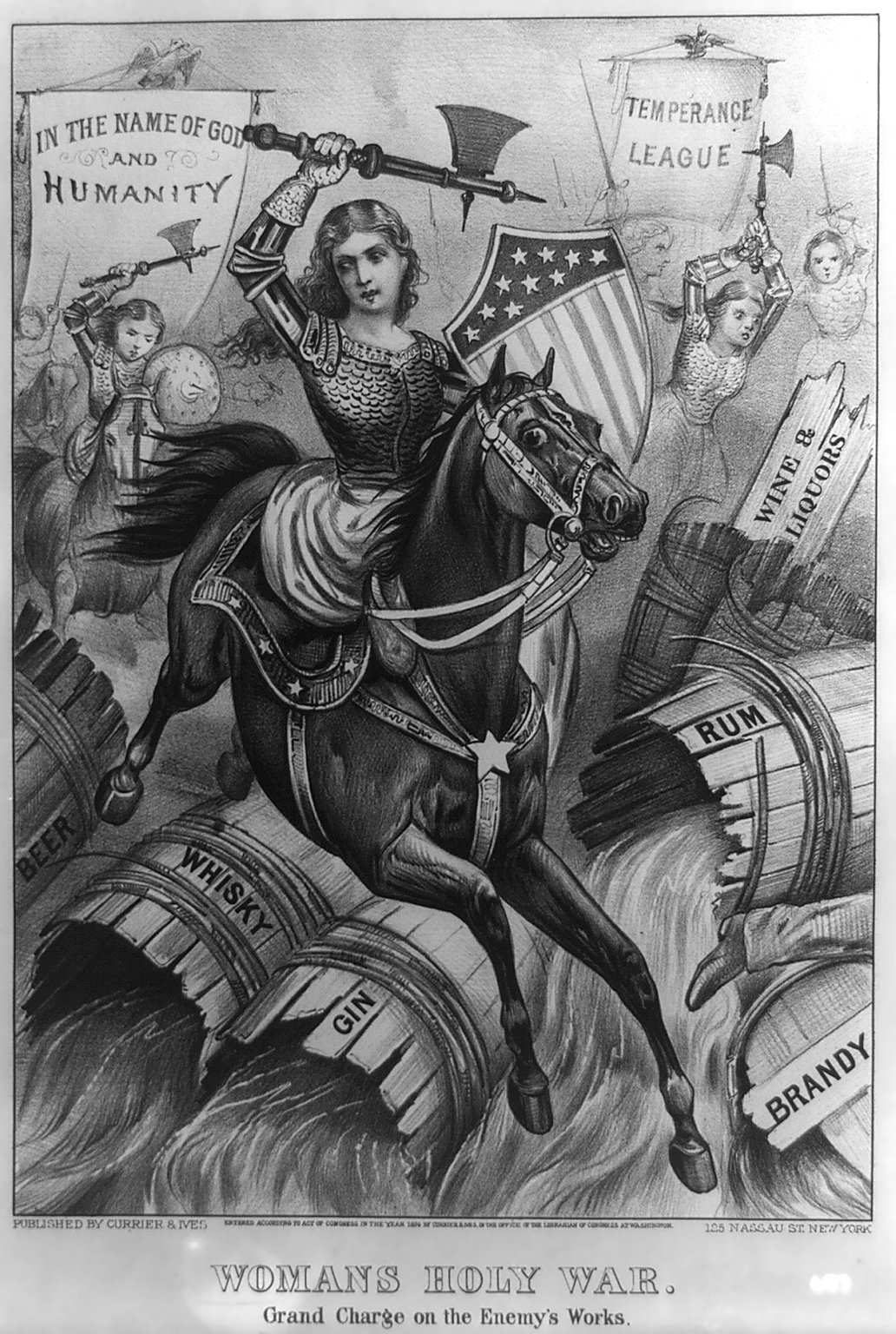
The Temperance movement is a social and political campaign advocating reduced consumption of alcoholic beverages or total abstinence. Emerging in the 19th century, it brought together religious groups, social reformers, women’s organizations and civic activists who linked alcohol use to poverty, family violence, workplace accidents and moral decline. While the movement included calls for moderation, its most visible phase promoted legal restrictions on sale and manufacture.
Image gallery
10 Images




Origins and development
The movement grew in countries undergoing rapid industrialization and urbanization. Early temperance activity combined moral exhortation, educational work and mutual aid: temperance societies organized meetings, distributed pamphlets and encouraged pledges of abstinence. Religious revivals and evangelical Protestant networks provided organizational energy, while later chapters broadened their arguments to include public health and civic order.
Organizations and tactics
Several kinds of groups drove temperance efforts. Women’s societies, most notably those focused on family welfare, were key advocates of legal change. Other actors included religious denominations, philanthropic associations and political pressure groups. Common tactics included:
- Public lectures, temperance literature and schools to teach the harms of alcohol.
- Petitions and lobbying for local option laws or national prohibition statutes.
- Consumer campaigns, social alternatives such as temperance hotels, and moral suasion through pledges.
Impact and legacy
The movement achieved major legislative successes in some places, most famously contributing to national prohibition laws in the United States in the early 20th century. Those laws produced significant social and legal consequences, including enforcement challenges and illicit markets. After the repeal of national prohibition in some countries, temperance activism shifted toward harm reduction, public health initiatives, alcoholism treatment and continued advocacy for local restrictions.
Notable distinctions and contemporary relevance
Temperance should be distinguished from state-driven alcohol bans arising from religious law or wartime controls; it originated largely as a civil society reform movement. Today its legacy appears in alcoholism counseling, drink‑driving laws, minimum unit pricing debates and community "dry" areas. The historical movement remains an important example of how moral, health and political arguments intersect in social reform.
Questions and answers
Q: What is the temperance movement?
A: The temperance movement is a social movement that advocates against the consumption of alcoholic beverages.
Q: When did the temperance movement become popular?
A: The temperance movement became very popular in many countries during the 19th and early 20th centuries.
Q: What was the outcome of the temperance movement in the United States?
A: The temperance movement led to Prohibition in the United States, which prohibited the production, sale, and transportation of alcoholic beverages from 1920 to 1933.
Q: Was the temperance movement only limited to the United States?
A: No, the temperance movement became popular in many countries during the 19th and early 20th centuries.
Q: What was the aim of the temperance movement?
A: The aim of the temperance movement was to reduce or eliminate the consumption of alcoholic beverages.
Q: How long did Prohibition last in the United States?
A: Prohibition in the United States lasted from 1920 to 1933.
Q: Did the temperance movement have a lasting impact?
A: Yes, the temperance movement had a lasting impact on the attitudes towards alcohol consumption and the regulation of the alcohol industry.
Related articles
Author
AlegsaOnline.com Temperance movement: history, aims, and legacy Leandro Alegsa
URL: https://en.alegsaonline.com/art/96905
Sources
- content.ebscohost.com : "The Origins of Temperance Activism and Militancy among American Women"
- doi.org : 10.1353/jsh/15.2.235
- heinonline.org : Women Torch-Bearers: The Story of the Woman's Christian Temperance Union