
Programmable Logic Controller (PLC): Overview, Components, Uses and History
A programmable logic controller (PLC) is a rugged digital computer used for industrial automation. This article explains how PLCs work, their parts, history, common uses, programming and key distinctions.
A programmable logic controller (PLC) is a specialized digital computer designed to control machinery and industrial processes in real time. Unlike general-purpose computers, PLCs are built to operate reliably in harsh factory environments, with resistance to vibration, temperature extremes, and electrical noise. Engineers and technicians program PLCs to monitor inputs and drive outputs according to a defined control strategy, turning electrical signals and sensor readings into automated actions.
Image gallery
8 Images


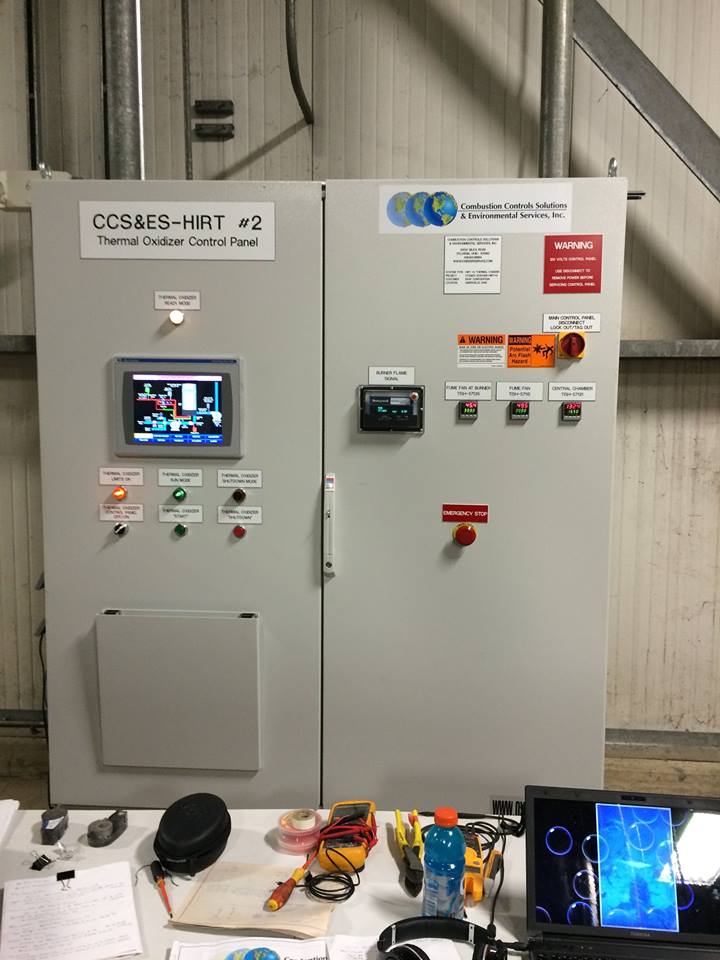
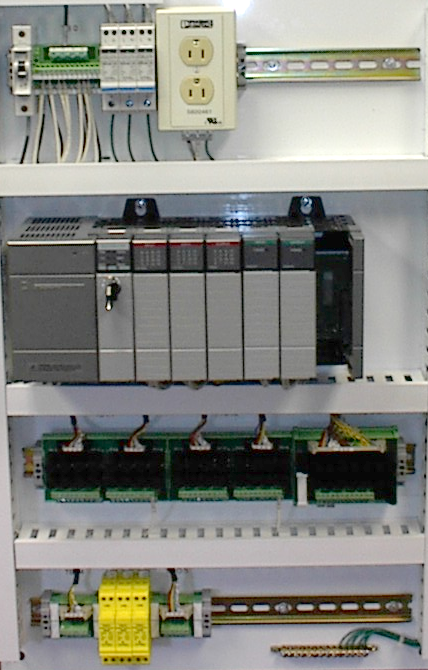
Characteristics and key components
Typical PLC hardware is modular and often includes the following elements. A central processing unit (CPU) executes the control program and handles communications; input modules read sensors and switches; output modules drive actuators, relays, motors, or valves; power supplies provide stable energy; and network interfaces connect the PLC to operator panels or higher-level systems. Many PLCs also include removable memory, real-time clocks and safety-rated modules for critical applications. For technical specifications and standards see manufacturer documentation.
- CPU and memory: Program execution and data storage.
- I/O modules: Digital and analog channels for field devices.
- Communication ports: Fieldbuses, Ethernet and serial links for integration — consult network guides for protocols.
- Programming interface: Software tools used to write, test and upload logic to the PLC; examples include ladder diagrams and structured text.
How PLCs operate
A PLC continuously cycles through a simple loop: read inputs, execute the user program, update outputs, and perform housekeeping tasks. This deterministic scan cycle lets control logic respond predictably to changing conditions. Programs are typically developed on a separate engineering workstation and downloaded to the PLC, and modern devices support online changes and diagnostics. For best practices on commissioning and troubleshooting, refer to technical resources.
History and development
PLCs emerged in the late 1960s and early 1970s as a replacement for relay-based control panels, providing greater flexibility, lower maintenance, and easier reprogramming. Since then they have evolved from simple ladder-logic controllers to powerful systems supporting multiple programming languages and complex motion control. Industry standards such as IEC 61131-3 helped unify programming approaches across vendors; see standards references for details.
Applications and examples
PLCs are ubiquitous in manufacturing, utilities, transportation, and building automation. Common uses include conveyor and packaging systems, robotic cell coordination, process control in chemical plants, water treatment operations, HVAC systems and safety interlocks. They scale from small standalone controllers to distributed systems handling thousands of I/O points, and are often integrated with human-machine interfaces and historians for monitoring and analysis. Implementation examples and case studies are available via industry portals.
Distinctions and notable facts
Important distinctions involve programming paradigms (ladder logic, function block, structured text) and reliability features (redundant CPUs, hot-swap modules, fail-safe I/O). Selection criteria include environmental rating, I/O count, response time, and available communication protocols. Safety PLCs and certified modules are used when regulatory compliance is required. For vendor comparisons and product selection advice consult buyer guides.
Related articles
Author
AlegsaOnline.com Programmable Logic Controller (PLC): Overview, Components, Uses and History Leandro Alegsa
URL: https://en.alegsaonline.com/art/79373