
Protect IP Act (PIPA): U.S. proposed copyright enforcement legislation
Overview of the Protect IP Act (PIPA), its provisions, history, criticisms, protests and eventual shelving after 2012 public opposition.
Overview
The Protect Intellectual Property Act, commonly called the Protect IP Act or PIPA, was a proposed piece of legislation in the United States intended to combat online copyright infringement. Introduced as a Senate bill, it sought to expand the legal tools available to rights holders and to government authorities to limit access to foreign websites that hosted or facilitated infringing material on the Internet. Supporters presented it as a way to protect creative industries and reduce lost revenue; opponents warned of significant collateral effects.
Image gallery
1 Image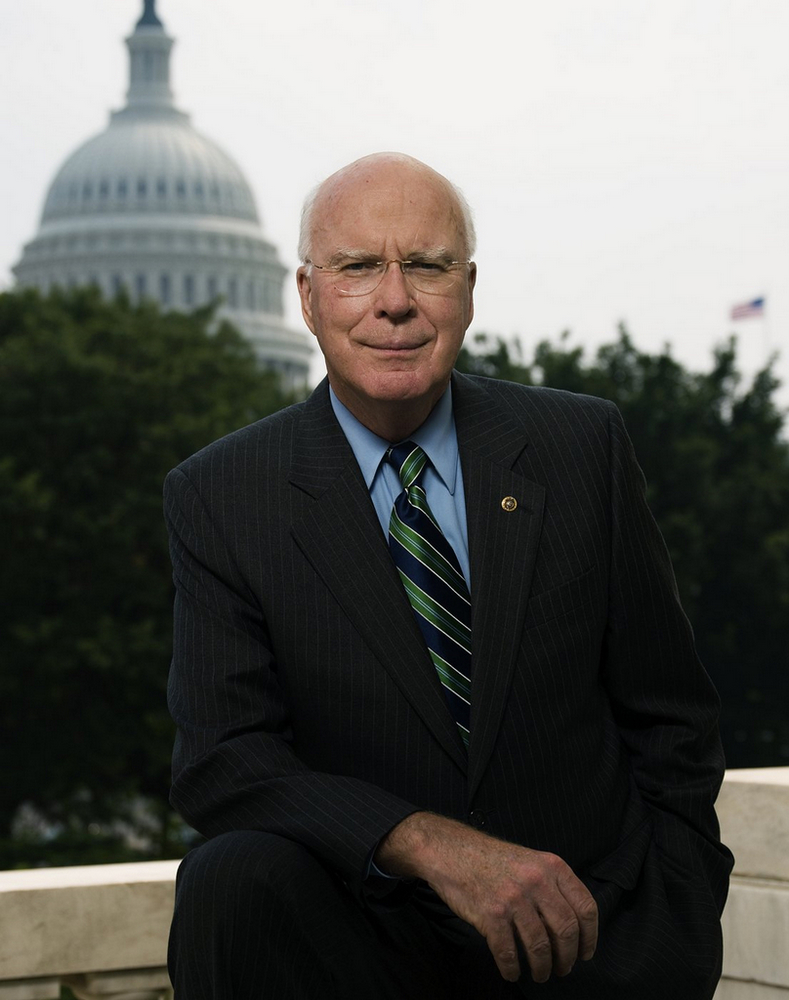
Key provisions and mechanisms
PIPA proposed several enforcement mechanisms that would have changed how online intermediaries respond to alleged infringement. Major actions described in the bill included:
- court orders against foreign domains accused of facilitating infringement, with requirements for U.S.-based intermediaries to disable access;
- obligations for payment processors and advertising networks to stop providing services to accused sites;
- search engine measures to delist or demote links to targeted sites;
- civil and criminal remedies intended to deter large-scale piracy.
History and legislative process
The bill was considered alongside related proposals in the U.S. House of Representatives and emerged from concerns in some industry sectors about online infringement. It went through hearings and debate in Congress, where lawmakers examined its text, potential effects, and alternatives. The proposal attracted strong media attention as public interest groups, technology companies and creative-industry representatives weighed in.
Criticism, technical concerns and protests
Critics argued the bill risked unintended consequences for free expression, Internet architecture and online innovation. Notable concerns included:
- censorship risks if websites could be broadly blocked on allegation rather than clear adjudication;
- damage to the Domain Name System and potential workarounds that could weaken Internet security;
- burdens on intermediaries such as service providers, payment companies and advertising platforms;
- impacts on user-generated content and legitimate speech.
Opposition coalesced among technology firms, civil liberties organizations and many Internet users. Several groups, including civil liberties groups and online communities, organized public campaigns and protests. A high-profile coordinated website blackout and other demonstrations in early 2012 drew widespread attention and debate.
Outcome and legacy
Following intense public scrutiny and visible protests, legislators delayed votes and ultimately the bill was not enacted. The episode influenced later discussions about copyright enforcement, balancing intellectual property protection with free expression and technical stability on the Internet. PIPA is often cited in studies of Internet policy as an example of how stakeholder mobilization and public engagement can affect legislative outcomes. The debate also led to continued efforts to find more narrowly tailored or technologically compatible approaches to combating online piracy.
For further context on the issues and proposals related to PIPA, see commentary from industry groups, legal analyses and reporting from the period of deliberation and protest; these sources summarize technical, legal and economic aspects of the controversy and the range of proposed alternatives to the bill's measures. Additional materials are available through government records and contemporary news coverage via websites that archived the debate and through academic studies linking policy and Internet governance discussions.
Readers can consult legislative texts, expert analyses and statements from affected communities to understand both the stated goals of PIPA and the practical concerns that led to its shelving. For broader discussions about online intellectual property enforcement and Internet policy, see resources and commentary connected to the debate via legislative archives, advocacy sites and technical publications.
Questions and answers
Q: What is the Protect IP Act?
A: The Protect IP Act, also known as the Preventing Real Online Threats to Economic Creativity and Theft of Intellectual Property Act, is a proposed American law aimed at stopping copyright infringement on the internet.
Q: What would the Protect IP Act do?
A: If passed, the Protect IP Act would provide copyright holders with new tools to deal with websites and individuals engaged in copyright infringement online.
Q: Why did some people criticize the proposed law?
A: Critics of the Protect IP Act argued that the law could have hidden risks and unintended consequences, potentially limiting freedom of speech online and impacting innovation and creativity.
Q: What sort of consequences did critics of the Protect IP Act worry about?
A: Some critics worried that the broad language of the law could result in websites being blocked without due process, limiting access to information and potentially harming small businesses.
Q: Was the Protect IP Act passed?
A: No, the Protect IP Act was not passed. The bill was met with significant public opposition and was eventually withdrawn.
Q: Why was there significant public opposition to the Protect IP Act?
A: Many people felt that the Protect IP Act had the potential to infringe on free expression and innovation online, and that it did not adequately balance the needs of copyright holders with the rights of internet users.
Q: What is copyright infringement?
A: Copyright infringement refers to the unauthorized use or reproduction of someone else's copyrighted material, such as a song, movie or book, without obtaining permission first.
Related articles
Author
AlegsaOnline.com Protect IP Act (PIPA): U.S. proposed copyright enforcement legislation Leandro Alegsa
URL: https://en.alegsaonline.com/art/79504
Sources
- simple.wiktionary.org : acronym
- whitehouse.gov : "Combating Online Piracy while Protecting an Open and Innovative Internet,"
- brookings.edu : "Cybersecurity in the Balance: Weighing the Risks of the Protect Intellectual Property Act and the Stop Online Piracy Act,"
- rt.com : RT