
Azam Taleghani: Iranian politician, activist and journalist
Azam Taleghani (1943–2019) was an Iranian parliamentarian, women's rights advocate, editor and head of the Society of Islamic Revolution Women of Iran, known for blending religious convictions with reformist activism.
Azam Taleghani was an Iranian political figure, activist and journalist who played a visible role in the years following the 1979 Iranian Revolution. Born in Tehran in 1943, she combined religious background and public engagement to become a legislator, an organizer for women’s participation, and the editor of a weekly publication. Her public life made her one of the better-known female political voices within the Islamic Republic.
Image gallery
1 Image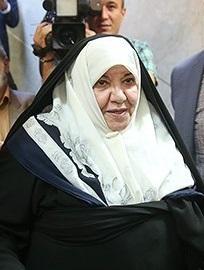
Background and early life
Taleghani was born and raised in Tehran into a family that was active in clerical and political circles. She was the daughter of a prominent cleric, and her upbringing gave her access to religious education alongside an interest in social and political issues. Over time she sought to translate religious principles into practical advocacy for civic participation and women's rights within the framework of the Islamic Republic.
Political and journalistic career
In the early post-revolutionary period Taleghani served in the first session of the Iranian parliament, holding a seat from 1980 to 1984. She later led the Society of Islamic Revolution Women of Iran, an organization that encouraged women’s political engagement and civic activity. As a journalist she edited the weekly Payam Hajar (often cited as Payam Hajar), using the paper to address social and religious themes and to foster debate on the role of women and reform within the country.
Activism and public positions
Taleghani was known for advocating greater participation of women in public life and for calling attention to laws and practices she believed should be changed to improve women’s status. While she worked within a religiously informed perspective, she became associated with reformist currents that sought to reconcile Islamic values with expanded civil rights. At times she sought higher office and public visibility; for example, she declared an intention to run for the presidency and faced formal disqualification by authorities, a notable episode in her later political life.
Notable facts and legacy
- Name and language: Her name is commonly rendered in Persian script and used in Iranian media and archives.
- Parliamentarian: Member of the Majles (parliament) in the early 1980s.
- Women's organization: Headed the Society of Islamic Revolution Women of Iran.
- Press work: Edited the weekly journal Payam Hajar, addressing social and religious issues.
- Later years and death: Lived in Tehran and died in 2019 after a fall that led to a cerebral hemorrhage.
Taleghani's public career is often discussed in studies of post‑revolutionary Iran as an example of a politically active woman who sought change from within established religious and political structures. Her combination of clerical family background, elected office, organizational leadership and journalism made her a distinctive voice in the evolving debates over gender, law and politics in Iran. For readers seeking further context on her life and the organizations she led, official archives and press collections contain contemporary reporting and interviews.
Selected roles: member of parliament (1980–1984), head of the Society of Islamic Revolution Women of Iran, editor of Payam Hajar weekly.
Related articles
Author
AlegsaOnline.com Azam Taleghani: Iranian politician, activist and journalist Leandro Alegsa
URL: https://en.alegsaonline.com/art/7905
Sources
- payvand.com : Iran: Sit-in by Azam Taleghani in front of Evin prison
- bbc.com : "اعظم طالقانی درگذشت"