
Pridi Banomyong: Thai Statesman, Legal Reformer and Institutional Founder
Pridi Banomyong (1900–1983) was a leading figure in Thailand’s 1932 transition to constitutional rule, serving as prime minister and regent and founding Thammasat University and the Bank of Thailand.
Overview
Pridi Banomyong (Thai: ปรีดี พนมยงค์, RTGS: Pridi Phanomyong; 11 May 1900 – 2 May 1983) was a prominent Thai statesman, lawyer and academic. He emerged as a leading civilian figure in the Khana Ratsadon (People's Party) movement that transformed Thailand's political system in 1932. Over several decades he served in senior government posts, including as prime minister and regent, and was widely regarded as an architect of modern Thai civil institutions.
Image gallery
4 Images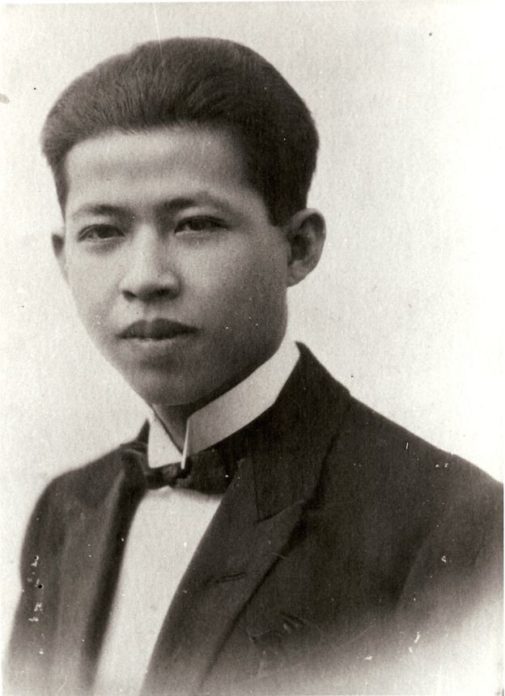


Political career and reforms
Pridi played a central role in the movement that ended absolute monarchy and introduced constitutional government. As a senior political leader he held multiple ministerial portfolios and influenced economic and legal policy. His approach combined liberal legal ideas with pragmatic state-building, and he was active in drafting legislation and institutions intended to modernize public administration in Thailand.
Institutions and achievements
Pridi founded what became Thammasat University, originally called the University of Moral and Political Sciences, to promote legal and political education and to broaden access to higher learning. He also played a formative role in establishing Thailand's central monetary authority, the Bank of Thailand, and supported initiatives for economic development and civil service reform. In academia he was recognized as a professor and thinker who sought to combine Western legal concepts with Thai social needs; several of his reforms aimed at strengthening rule of law and administrative capacity (academic profile).
Later years, exile and legacy
Pridi's prominence made him a polarizing figure; after the turbulent postwar years and a 1947 military coup he spent long periods away from political power and in exile. His career and reputation were shaped by political conflict and by contested events in mid-20th-century Thai history, including a crisis surrounding the royal household that led to sustained controversy. Nonetheless, successive generations have continued to debate and reassess his contribution to constitutionalism and public institutions (further reading).
Notable facts
- Held the noble title Luang Praditmanutham and served as a regent at a critical moment in Thai monarchy–politics relations.
- Leader of the civilian wing of the Khana Ratsadon (People's Party) that enacted the 1932 constitutional change.
- Founder of the University of Moral and Political Sciences (now Thammasat University) and an early architect of the Bank of Thailand.
- Career included roles as prime minister and numerous ministerial posts; his life combined scholarship, administration and contested politics (biographical notes).
Pridi Banomyong remains a key figure in modern Thai history: a reformer whose institutional legacy—especially in education, law and finance—continues to inform discussions about democracy, governance and national development in Thailand.
Related articles
Author
AlegsaOnline.com Pridi Banomyong: Thai Statesman, Legal Reformer and Institutional Founder Leandro Alegsa
URL: https://en.alegsaonline.com/art/79006