
Primo Levi (1919–1987)
Italian Jewish chemist and writer, Auschwitz survivor and author of If This Is a Man and The Periodic Table, known for lucid memoirs and essays on memory, morality and the human condition.
Overview
Primo Levi was an Italian Jewish chemist and writer whose testimonies about the Holocaust became central texts of twentieth‑century literature. He wrote novels and many shorter pieces — author of two full-length novels and numerous novels, short stories, poems and essays — but is best known for the memoir published in English as If This Is a Man, an account of his time as a prisoner in Auschwitz during World War II. He was born and spent most of his life in Turin.
Image gallery
5 Images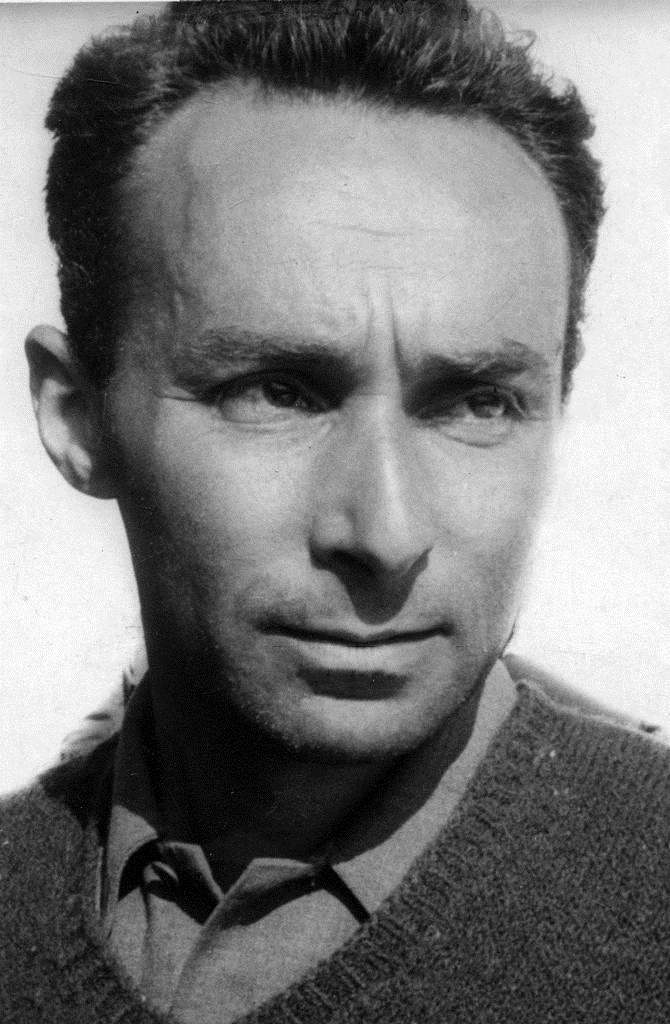


Life and background
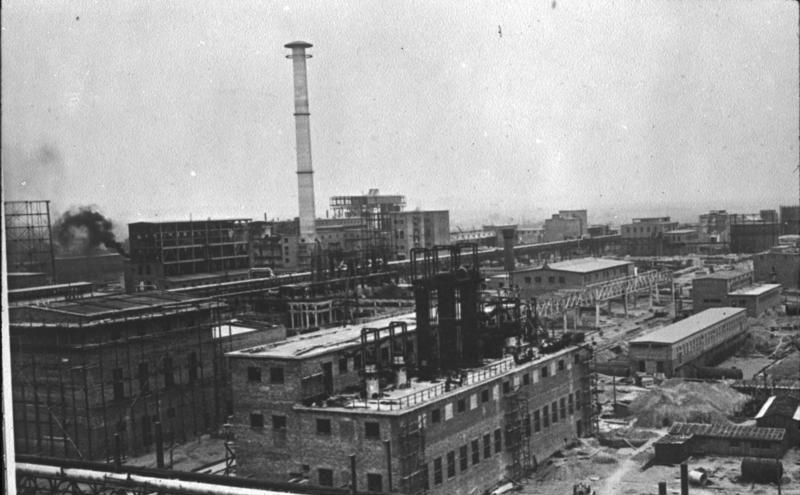
Born in 1919 into a secular Jewish family in northern Italy, Levi trained as a chemist and worked in industry before and after the war. When Fascist racial laws and wartime repression intensified, he joined anti‑fascist activities, was arrested and deported to Auschwitz in 1944. He survived and returned to Italy in 1945, resuming his scientific work while gradually publishing the memoirs and reflections that would make his name internationally.
Major works and themes
Levi's writing blends clear, precise observation — an influence of his scientific training — with moral inquiry and philosophical reflection. His principal books include the searing survival memoir If This Is a Man and its sequel The Truce (about his return journey), as well as The Periodic Table, a hybrid collection of stories and autobiographical sketches that uses chemistry as an organizing metaphor. In later years he collected essays and notes on memory, testimony and responsibility, notably addressing how to represent atrocity without distorting its reality.
Style and concerns
Levi's style is notable for restraint, irony and an effort to record events without rhetorical excess. He explored themes of complicity, bureaucracy, ordinary evil, and the fragile margins where moral choices are made. His perspective as both scientist and witness allowed him to analyze human behavior with an emphasis on detail, cause and consequence rather than grand ideology.
Legacy and significance
Levi is widely regarded as a major voice in Holocaust literature and twentieth‑century Italian letters. His accounts remain widely read for their moral seriousness and technical clarity; they continue to appear in discussions of memory, ethics and the representation of suffering. He died in 1987 after falling from the stairwell of his Turin apartment; the circumstances prompted public debate and reflection on his life and final years.
Further reading
Questions and answers
Q: Who was Primo Levi?
A: Primo Levi was an Italian Jewish chemist and writer.
Q: What type of literature did Primo Levi write?
A: Primo Levi wrote two novels and many short stories, poems, and essays.
Q: What is Primo Levi's best-known book?
A: Primo Levi's best-known book is If This Is a Man, a true story about his time as a prisoner in the Auschwitz concentration camp during World War II.
Q: When was Primo Levi born?
A: Primo Levi was born on July 31, 1919.
Q: Was Primo Levi a religious person?
A: No, Primo Levi was an atheist.
Q: Where was Primo Levi born?
A: Primo Levi was born in Turin, Italy.
Q: What was Primo Levi's occupation?
A: Primo Levi was a chemist and writer.
Related articles
Author
AlegsaOnline.com Primo Levi (1919–1987) Leandro Alegsa
URL: https://en.alegsaonline.com/art/79141
Sources
- themodernword.com : "Primo Levi"