
Preston, Lancashire
Preston is a city and administrative centre in Lancashire, North West England, known for its riverside location, university, historical Guild celebrations and role in transport and industry.
Overview
Preston is a city in North West England and serves as the county town of Lancashire. It lies on the north bank of the River Ribble and functions as a regional centre for education, retail and local government. Preston was awarded city status in 2002 during the Golden Jubilee celebrations of Queen Elizabeth II.
Image gallery
10 Images



History and development
Settlement in the Preston area dates back to the medieval period and the town grew around market trade and river traffic. The town expanded rapidly during the Industrial Revolution, with textile manufacturing and engineering becoming important industries. Over time those industries declined and the local economy diversified into services, education and light manufacturing.
Features and institutions
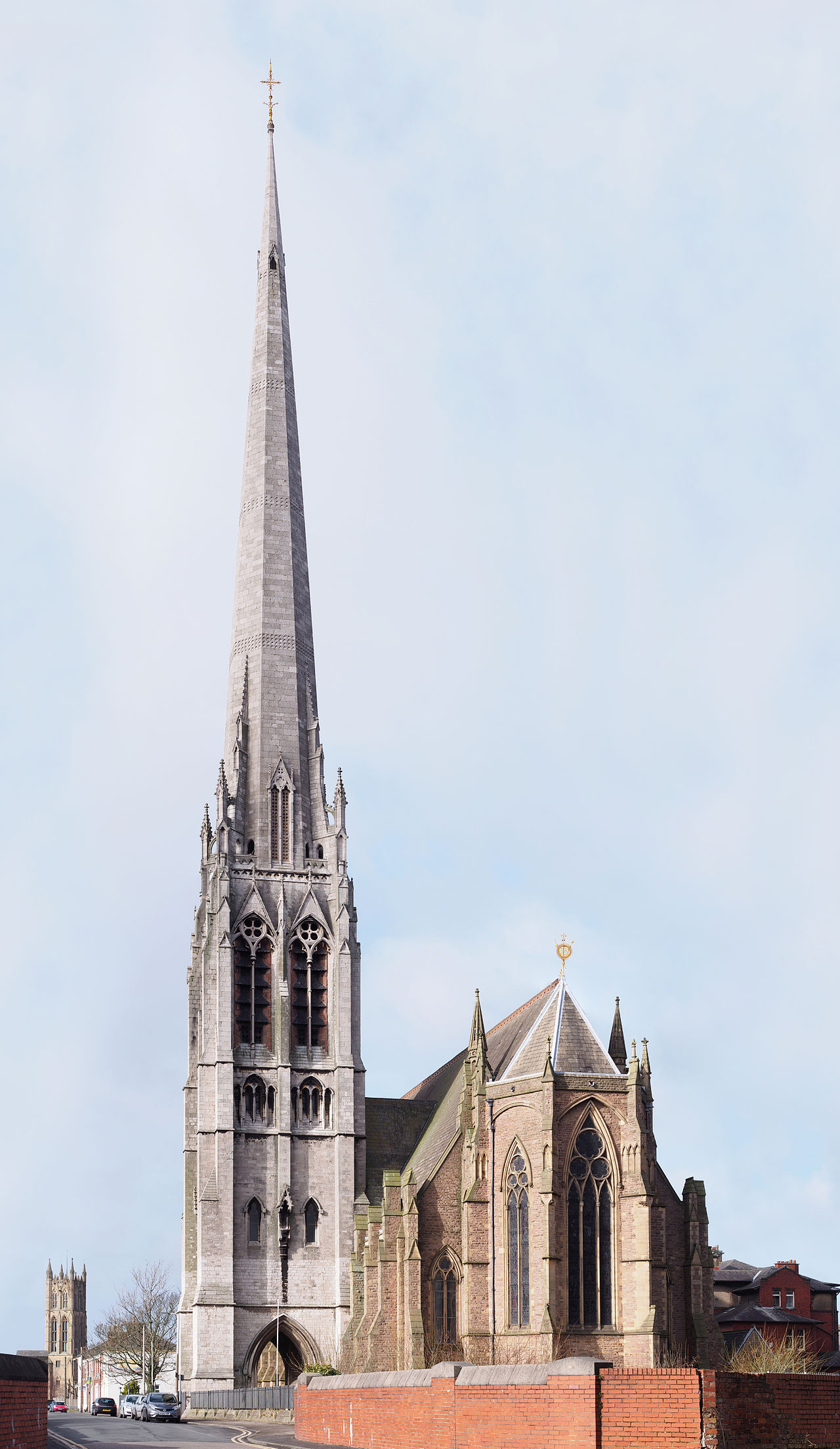
Preston hosts a range of cultural and civic buildings, including the Harris Museum and Art Gallery and several historic churches. The city is also home to the University of Central Lancashire, a major provider of higher education in the region. Nearby towns such as Chorley and Leyland form part of the wider urban and economic area.
Transport and economy
Transport links are a notable strength: Preston railway station is an important stop on the north–south rail corridor, and road connections to the motorway network make the city accessible to the rest of the country. The local economy now relies on education, public services, retail and distribution, with ongoing regeneration projects in waterfront and city-centre areas.
Culture, sport and civic life
Traditional events and civic ceremonies remain visible in Preston’s life. The Preston Guild, a historic celebration with origins in the medieval era, is held irregularly and draws civic and cultural interest. Sport is represented by Preston North End, a club with a long history in English football. The city supports theatres, galleries and community festivals that reflect both local traditions and contemporary culture.
Notable facts and demographics
- Located on the River Ribble, which has shaped its commerce and transport.
- Has a substantial student population due to the local university.
- Population figures vary by boundary: district, city and wider urban area counts differ; historic census data such as the 2001 census help track change over time.
Today Preston stands as a provincial city balancing historic identity with modern services and transport links, remaining an administrative and cultural focal point for central Lancashire.
Related articles
Author
AlegsaOnline.com Preston, Lancashire Leandro Alegsa
URL: https://en.alegsaonline.com/art/78957