
Aysén Region (XI Region of Chile)
Sparsely populated southern Chilean region noted for fjords, glaciers and temperate rainforests; capital Coyhaique; economy centered on fisheries, ranching, forestry and tourism.
Overview
The Aysén Region, officially the XI Region Aysén del General Carlos Ibáñez del Campo (Spanish name), occupies a large portion of southern Chile and is one of the country's fifteen administrative regions (regional divisions). It faces the Pacific with a fractured coastline of fjords and islands and borders other Chilean regions and Argentina. The national context can be explored through resources about Chile.
Image gallery
7 Images



Landscape and climate
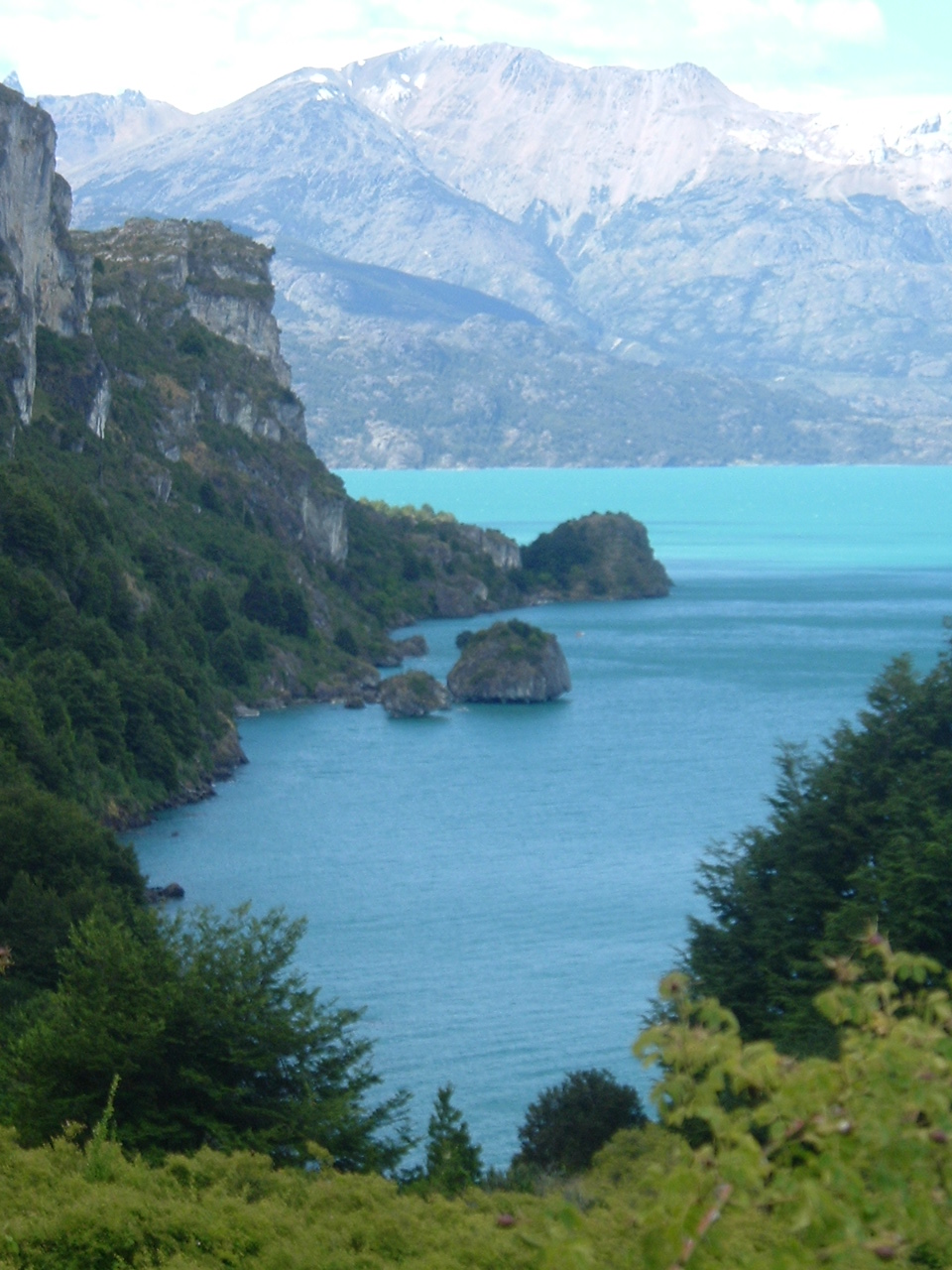
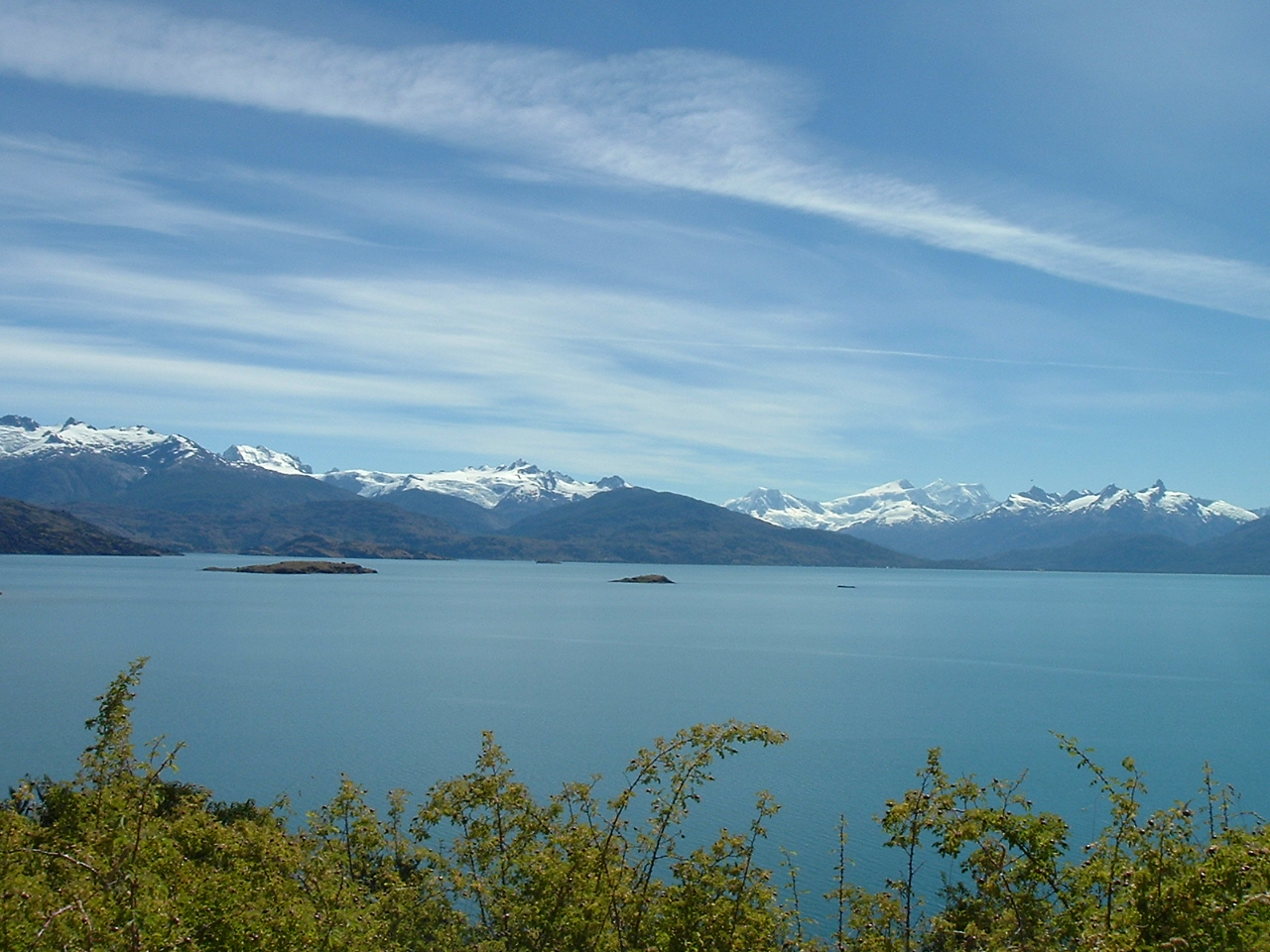
Aysén is dominated by rugged mountains, dense temperate rainforest, ice fields and deep glacial channels. The Northern Patagonian Ice Field and numerous glaciers feed rivers and lakes that carve the landscape. Climate varies from cool, wet coastal zones to colder, drier interior valleys; weather is often changeable and influenced by oceanic systems.
Administration and settlements
The region is divided into four provinces and several communes; major administrative centers include Coyhaique, the regional capital. The set of provinces is commonly listed in administrative documents (provinces). Coyhaique is the largest city and service hub for government, health and transport (Coyhaique).
Economy and infrastructure
Traditional economic activities have included sheep ranching, small-scale agriculture, fishing and forestry. In recent decades aquaculture and tourism have grown in importance. Roads are limited: the Carretera Austral provides a vital but sometimes discontinuous land link, and air and sea connections are important for many communities. Infrastructure development and proposals for energy projects have been subjects of local discussion.
Nature, conservation and tourism
Aysén attracts visitors for its scenery: mountains, glaciers and national parks offer hiking, boating and wildlife observation. Protected areas and reserves aim to conserve unique ecosystems and species. Ecotourism and outdoor recreation are key elements of the region's identity and visitor appeal.
Challenges and significance
Low population density and remoteness pose challenges for service delivery and economic diversification, while the region's natural richness makes it a focus for conservation efforts and sustainable development debates. Aysén remains one of Chile's wildest and least altered regions, valued for its landscapes and cultural ties to rural and indigenous communities.
- Key features: fjords, ice fields, temperate rainforest
- Main urban center: Coyhaique
- Transport highlights: Carretera Austral, regional air and sea links
Related articles
Author
AlegsaOnline.com Aysén Region (XI Region of Chile) Leandro Alegsa
URL: https://en.alegsaonline.com/art/7890