
President of the Lebanese Republic
Head of state of Lebanon, elected by parliament for a single six-year term; role shaped by the country's confessional system and constitutional reforms such as the Taif Accord.
Overview
The president of the Lebanese Republic is the country's head of state and a central figure in its political system. The office is filled by members of the national parliament through an indirect election. The position combines ceremonial representation with concrete constitutional responsibilities in government formation, diplomacy and national defence.
Image gallery
6 Images

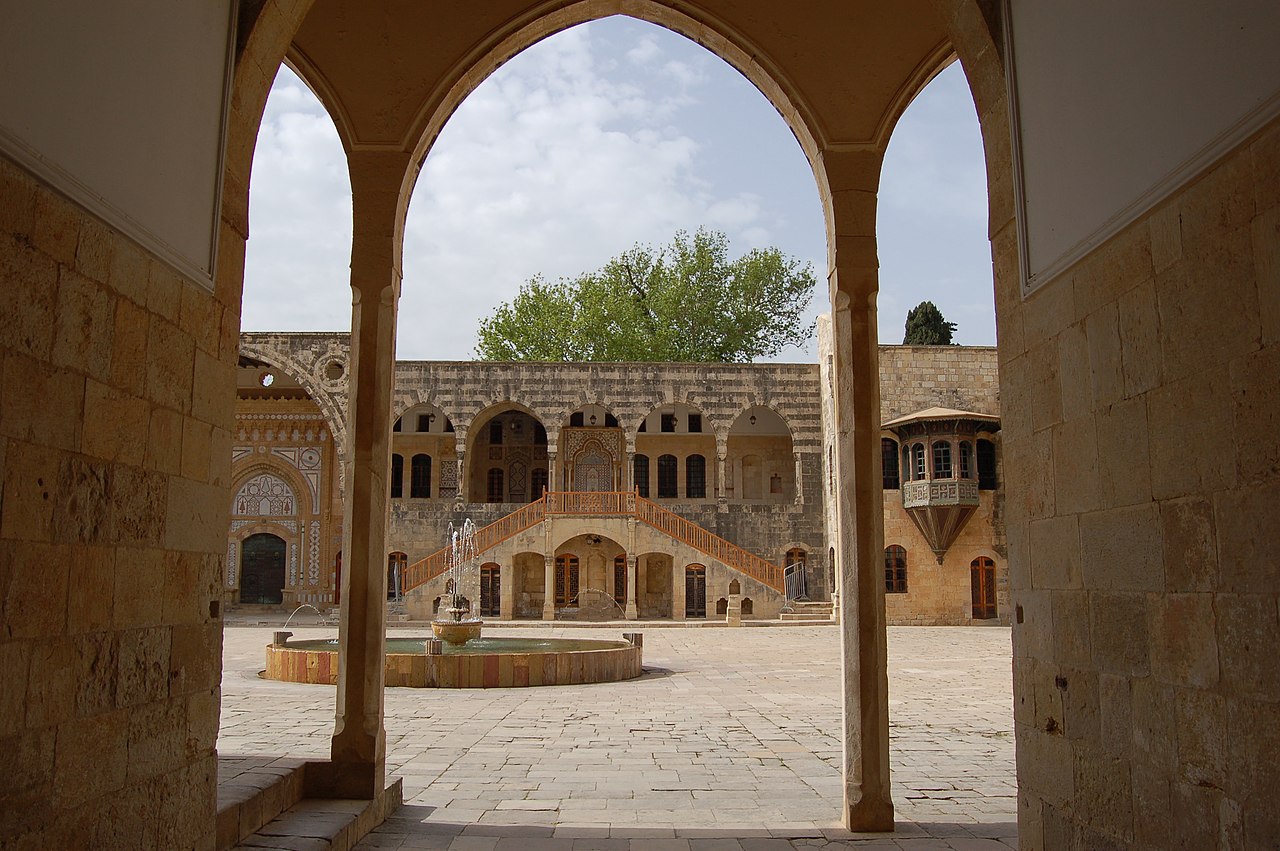

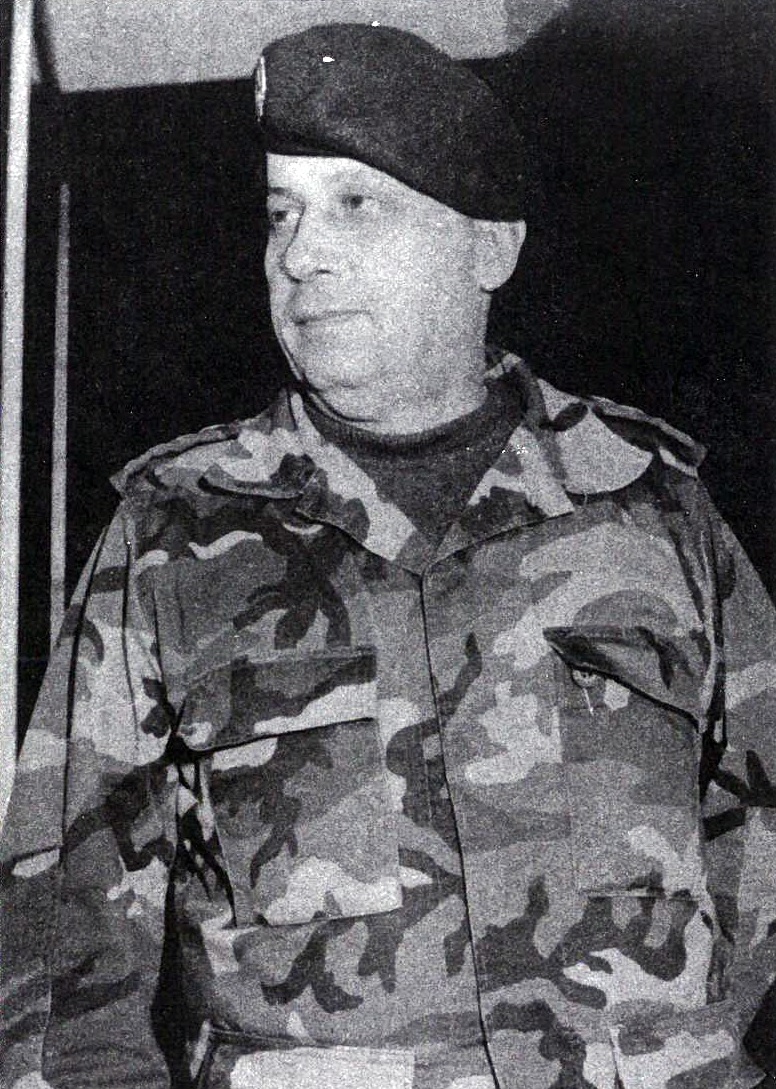
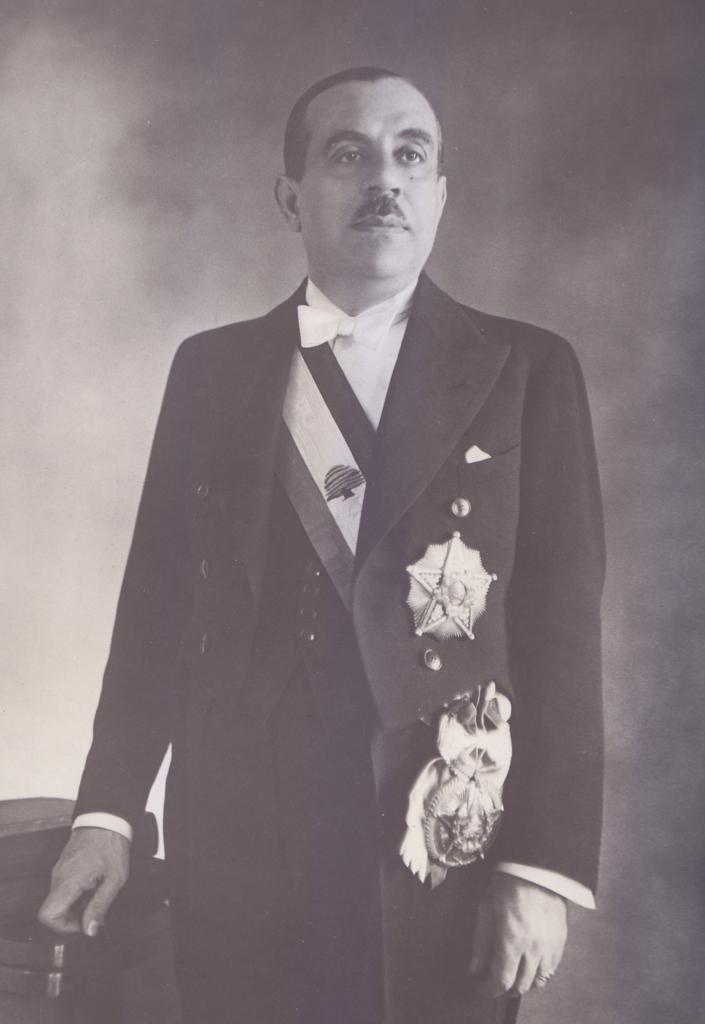
Powers and responsibilities
Although the scope of authority has changed over time, the president retains important formal powers. These commonly include appointing the prime minister after parliamentary consultations, presiding over the Supreme Defence Council, accrediting diplomats, signing and promulgating laws, and granting pardons. In practice many actions require countersignature or the support of other institutions, reflecting Lebanon's division of powers.
Election, term and conventions
The president is elected by the Lebanese Parliament for a single six-year term and is not eligible for immediate reappointment. Parliamentary voting rules set thresholds for election rounds; if no candidate achieves the required majority in early ballots, subsequent rounds are held until a winner emerges. The vote is conducted within the legislature rather than by direct popular ballot.
Confessional context and reform
Lebanon's political life rests on a confessional system that allocates top offices across religious communities; by longstanding agreement the presidency is reserved for a Maronite Christian. This arrangement originated in the National Pact of 1943 and has been adjusted by later accords, most notably the 1989 Taif Accord, which rebalanced executive authority between the president and the council of ministers.
Importance and practical realities
Beyond formal powers, the president often plays a stabilizing role: mediating between factions, representing the state abroad, and serving as a symbol of national unity. The office has also been the centre of political deadlock at times, producing prolonged vacancies and caretaker presidencies until parliamentary consensus is reached.
Key points
- Head of state: the symbolic and constitutional representative of Lebanon (role defined).
- Election: chosen by Parliament for a single six-year term; re-election is not immediate.
- Confessional practice: by convention the presidency is held by a Maronite Christian, reflecting the National Pact and later reforms (historical context).
Related articles
Author
AlegsaOnline.com President of the Lebanese Republic Leandro Alegsa
URL: https://en.alegsaonline.com/art/78845
Sources
- english.al-akhbar.com : "Lebanese Politicians Reward Themselves - Al Akhbar English"