
President of Ethiopia
The President of Ethiopia is the federally recognized head of state with largely ceremonial duties under the 1995 constitution. The office represents national unity and is elected by parliament for limited terms.
The President of Ethiopia is the country's ceremonial head of state, representing the unity of the Federal Democratic Republic of Ethiopia. Under the present constitutional framework established in 1995, the president performs symbolic and formal functions while day-to-day executive authority rests with the head of government, the Prime Minister of Ethiopia. The role emphasizes representation, continuity and constitutional legitimacy rather than direct political leadership.
Image gallery
8 Images




Constitutional role and characteristics
The office is defined by the federal constitution as a non-executive position with limited independent powers. The president acts on the advice or recommendation of other constitutional organs for most operational matters. Typical constitutional responsibilities include participating in ceremonial state occasions, promulgating laws passed by the legislature, accrediting foreign envoys, and representing Ethiopia at official events. The president is intended to be a figure of national consensus above partisan politics.
Selection, term and limits
Presidents are chosen through an indirect election by the House of Peoples' Representatives, the lower chamber of Ethiopia’s federal parliament. The term of office is six years, and incumbents may serve at most two terms. This indirect election process is intended to reflect parliamentary confidence and to reinforce the president’s role as a unifying, rather than a confrontational, political figure.
Duties and common functions
- Formal promulgation or publication of legislation enacted by parliament and government.
- Representation of the state at ceremonial and diplomatic functions, both domestically and abroad.
- Accreditation and reception of foreign ambassadors and state delegations.
- Performing ceremonial duties such as openings of parliament and national commemorations.
- Occasional moral leadership and public appeals during crises or national celebrations.
The president does not normally direct government policy, command the civilian cabinet, or exercise routine administrative control; those responsibilities are vested in the prime minister and the Council of Ministers. Because of this division, the presidency often serves as a stabilizing and impartial office within Ethiopia’s federal system.
History and notable holders
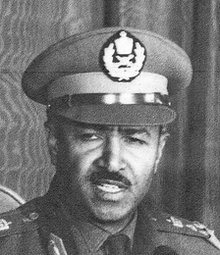
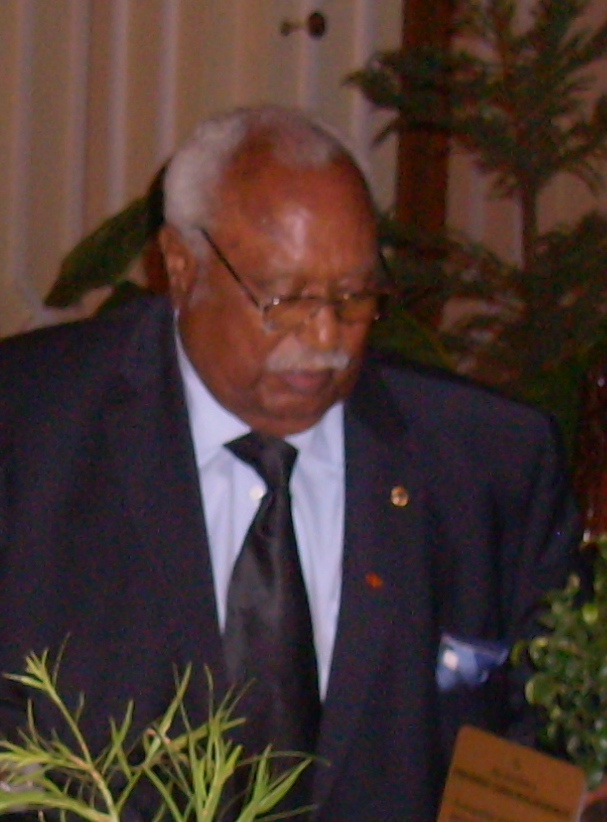
The contemporary presidency was created by the 1995 constitution following Ethiopia’s transition from earlier forms of government. Since then, officeholders have included Negasso Gidada, Girma Wolde-Giorgis and Mulatu Teshome, among others. In 2018 Sahle-Work Zewde became the first woman to hold the presidency; she assumed office on 25 October 2018 and is widely noted for her diplomatic background and symbolic representation of gender inclusion in high office. The presidency’s evolution mirrors broader political and constitutional changes in Ethiopia over recent decades.
While largely ceremonial, the presidency remains an important part of Ethiopia’s constitutional architecture: a guarantor of formal state continuity, a representative of national identity, and a public presence for non-partisan civic leadership in times of both routine governance and national significance. For more detail about the office, its incumbents and constitutional provisions see relevant parliamentary and constitutional sources.
References to official materials and parliamentary records can be found via official government portals and publications. For contextual background on the office and its relationship with the executive, consult materials on the Prime Minister of Ethiopia, the presidency pages and recent biographical summaries of the incumbent such as Sahle-Work Zewde.
Related articles
Author
AlegsaOnline.com President of Ethiopia Leandro Alegsa
URL: https://en.alegsaonline.com/art/78821