
Potosí Department (Bolivia)
Highland Bolivian department centered on the historic mining city of Potosí. Noted for Cerro Rico, Salar de Uyuni, mining heritage, Indigenous cultures and distinctive high‑altitude landscapes.
Potosí is a large department in southwestern Bolivia whose administrative centre is the city also named Potosí. The department occupies part of the Andean highlands and the altiplano, encompassing dramatic mountain ranges, high plateaus and expansive salt flats. Its geography and mineral wealth have shaped its economy, history and culture for centuries.
Image gallery
4 Images


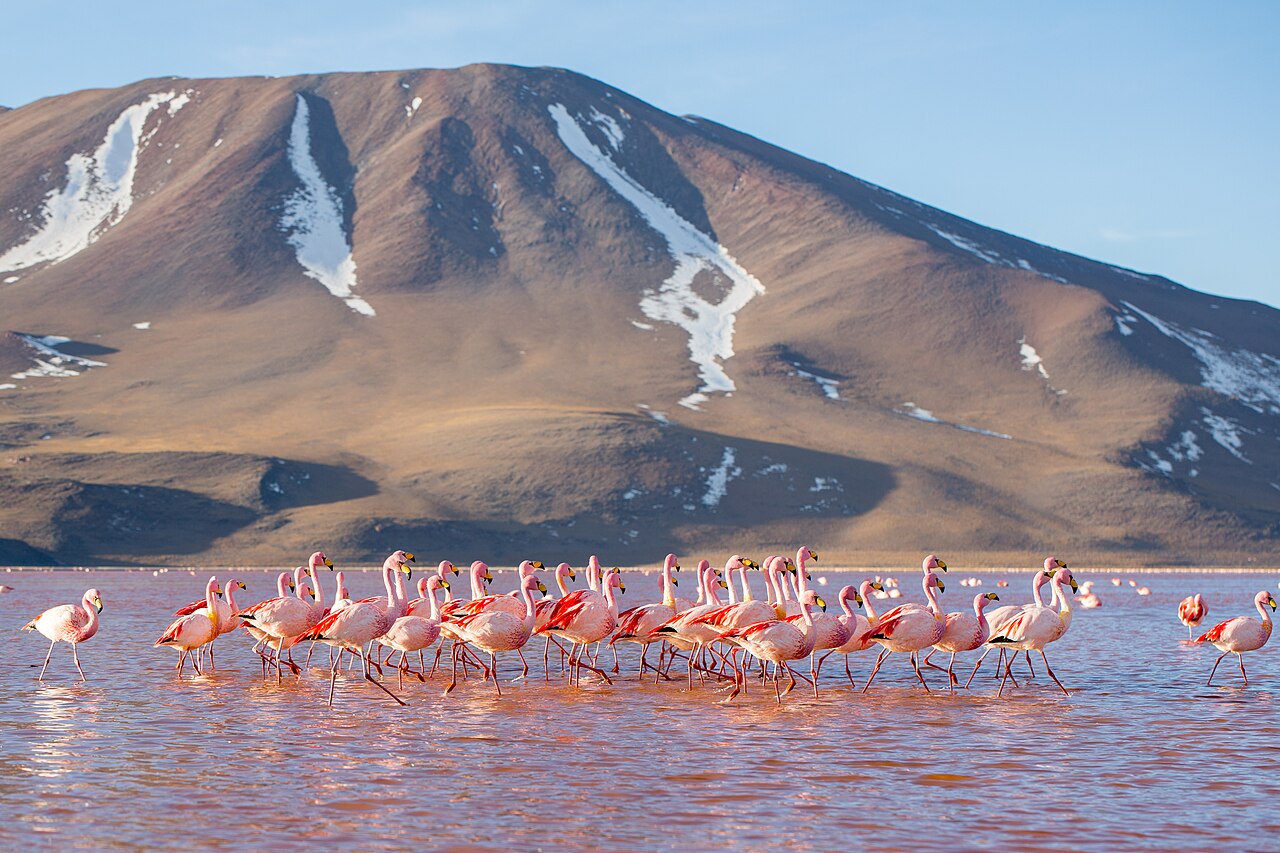
Geography and natural features
The region includes high, cold puna grasslands and jagged Andean peaks. One of the best known features within or near the department is the Salar de Uyuni, the world’s largest salt flat, and several protected high‑altitude reserves noted for flamingos and volcanic lakes. The landscape produces a thin, dry climate at extreme elevations, which influences local agriculture and settlement patterns.
History and cultural importance
Potosí rose to global prominence after the discovery of rich silver veins on Cerro Rico in the colonial period. The city became a major mining and administrative centre under Spanish rule and left an enduring built and social legacy. The historic core of the city and its mining heritage are recognized for their cultural and historical significance and attract researchers and visitors today.
Economy and resources
Mining continues to be a central economic activity, with extraction of silver historically and diverse minerals such as tin, lead and zinc in later periods. The salt flats are an important source of salt and contain significant lithium resources that have attracted industrial and strategic interest. Small‑scale agriculture and herding persist where conditions permit, and local crafts and markets are important to rural livelihoods.
People, culture and administration
Potosí is home to a large Indigenous population, including Quechua and Aymara communities, whose languages, festivals and handicrafts contribute to regional identity. The department is divided into multiple provinces and municipalities governed under Bolivia’s departmental structure. Cultural events mix Indigenous and colonial traditions, and local cuisine, textiles and music remain culturally vibrant.
Tourism, challenges and conservation
Visitors come to explore the historic city, mine sites, salt flats and high‑altitude reserves. Tourism and conservation efforts aim to balance economic benefits with the protection of fragile ecosystems and the welfare of mining communities. Environmental impacts from mining, working conditions in small mines and rural poverty are ongoing social and policy challenges for the region.
- Notable places: Cerro Rico, historic city of Potosí, Salar de Uyuni, Eduardo Avaroa reserve
- Main activities: mining, salt extraction, limited highland agriculture, cultural tourism
- Further information: Potosí Department overview
Related articles
Author
AlegsaOnline.com Potosí Department (Bolivia) Leandro Alegsa
URL: https://en.alegsaonline.com/art/78449
Sources
- cia.gov : "The World Factbook"
- bolivia.com : www.bolivia.com
- tools.wmflabs.org : 20°40′S 66°40′W / 20.667°S 66.667°W / -20.667; -66.667