
Potential National Hockey League expansion
Overview of how NHL expansion works: history, criteria, candidate markets, economic and competitive implications, and notable recent expansions such as Las Vegas and Seattle.
The National Hockey League (NHL) has expanded repeatedly since its founding, and discussion of further growth—new franchises and markets—remains a recurring topic. In recent decades the league added teams outside its Original Six era and approved high‑profile entries such as the Vegas Golden Knights (Vegas Golden Knights) and the Seattle franchise. Expansion considerations weigh sporting balance, commercial opportunity and long‑term stability for clubs in both the United States and Canada.
Historically, expansion has reshaped the league. Large rounds of team additions in past decades ended the small, regional footprint of early eras and opened the NHL to new media markets. The approval process is deliberate: the league evaluates prospective ownership groups, arena plans, regional fan support and television and corporate sponsorship potential before voting to grant a franchise.
Image gallery
7 Images




Key criteria and process
Expansion candidates typically must satisfy several requirements. These include a committed and well‑capitalized ownership group, an NHL‑caliber arena or a concrete plan to build one, demonstrated local interest and corporate backing, and compatibility with the league’s divisional and travel needs. The NHL’s Board of Governors ultimately votes to admit a new club, and historically the process also demands a substantial expansion fee and negotiated terms for player entry into the new roster.
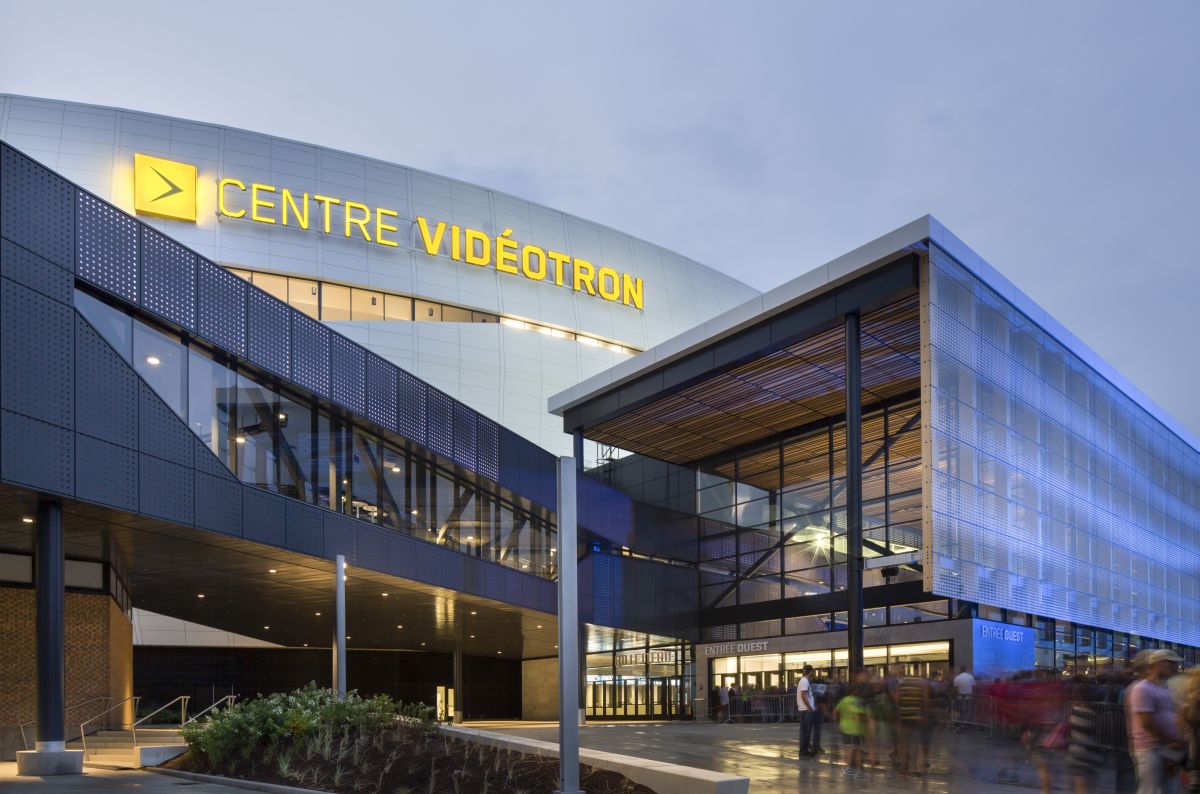
Markets regularly mentioned in public discussions include long‑lamented hockey cities and growing metropolitan areas. Examples often cited by observers are Quebec City, several Texas markets, Midwestern and Canadian suburban regions, and Pacific Northwest cities. Interest can flare and fade with changes in arena projects, ownership intentions and local economic conditions.
Expansion affects competitive balance, roster construction and the wider hockey ecosystem. A new franchise prompts an expansion draft or other mechanisms to supply players, influences minor‑league affiliations, and reshapes scheduling and broadcasting arrangements. For communities, a franchise can bring civic pride and economic activity but also requires public and private investment.
Because expansion decisions carry long horizons and significant financial commitments, the NHL proceeds cautiously. Prospective additions are evaluated not only on short‑term enthusiasm but on sustainability, strategic fit and potential to strengthen the sport’s profile across North America.
Related articles
Author
AlegsaOnline.com Potential National Hockey League expansion Leandro Alegsa
URL: https://en.alegsaonline.com/art/78436
Sources
- nhl.com : "Las Vegas awarded NHL franchise"
- nhl.com : "Vegas Golden Knights official team name"