
Pradal Serey — Traditional Khmer Kickboxing
Pradal Serey, or Khmer kickboxing, is Cambodia’s traditional striking art and sport combining punches, kicks, elbows, knees and clinch techniques with deep cultural and historical roots.
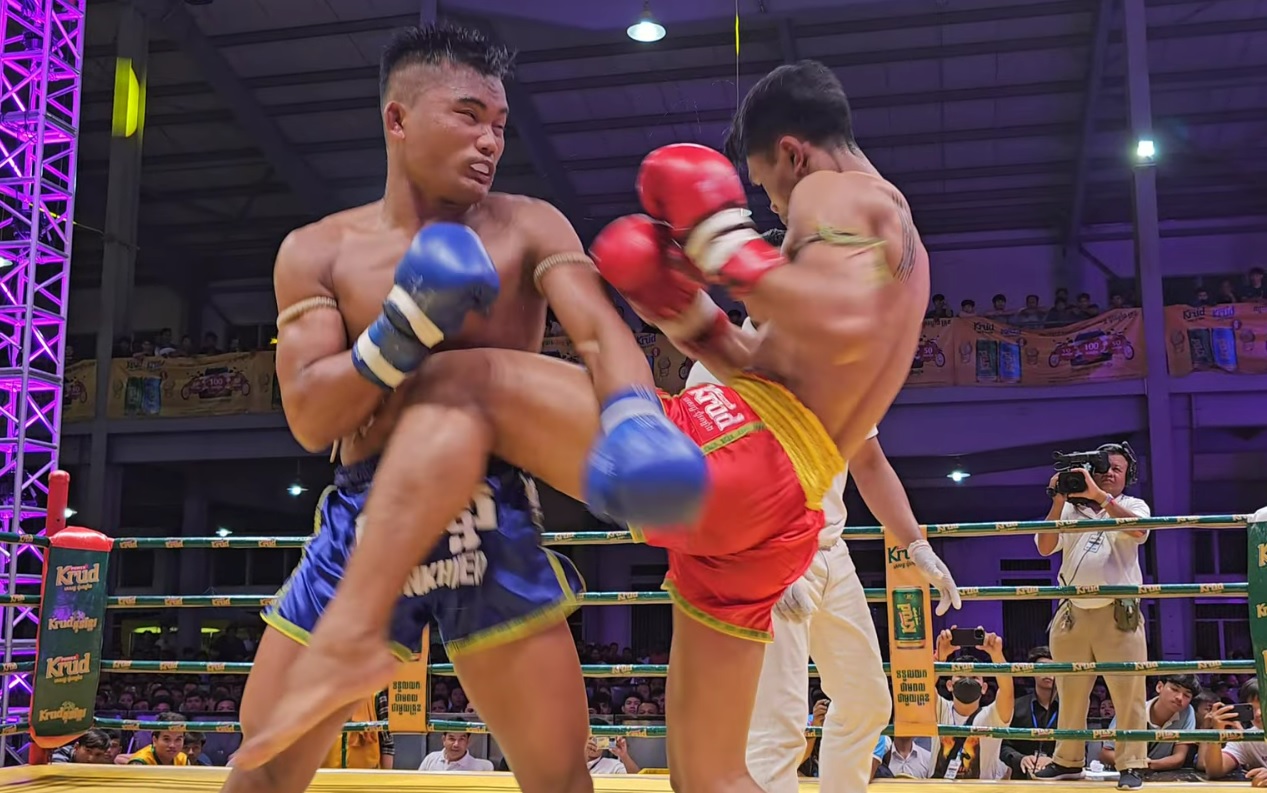
Pradal Serey (often translated as Khmer kickboxing) is a striking martial art and combat sport practiced by the Khmer people in Cambodia. It emphasizes stand‑up striking with the four primary weapons of the body — fists, feet, elbows and knees — and incorporates clinching, sweeps and throws as methods to create openings or end exchanges. In modern settings it functions as both a competitive sport and a form of self-defense, while remaining an element of national heritage.
Image gallery
10 Images





Techniques and Characteristics
Pradal Serey places particular weight on close‑range strikes. Elbow blows and knee attacks are prominent and are often used from a clinch position; fighters use grips on the upper body and head to control posture and set up short, powerful strikes. Long‑range weapons — kicks and punches — are mixed with timing, footwork and sweeps to off‑balance an opponent. Defensive measures include parries, blocks and leg catches to defend against kicks.
Common Techniques
- Straight and looping punches for range and combinations
- Roundhouse and teep‑style kicks to the legs and body
- Horizontal and spinning elbows delivered from close quarters
- Knees from clinch holds and jumping knee attacks
- Sweeps and off‑balancing maneuvers to set up strikes
Historical Context and Development
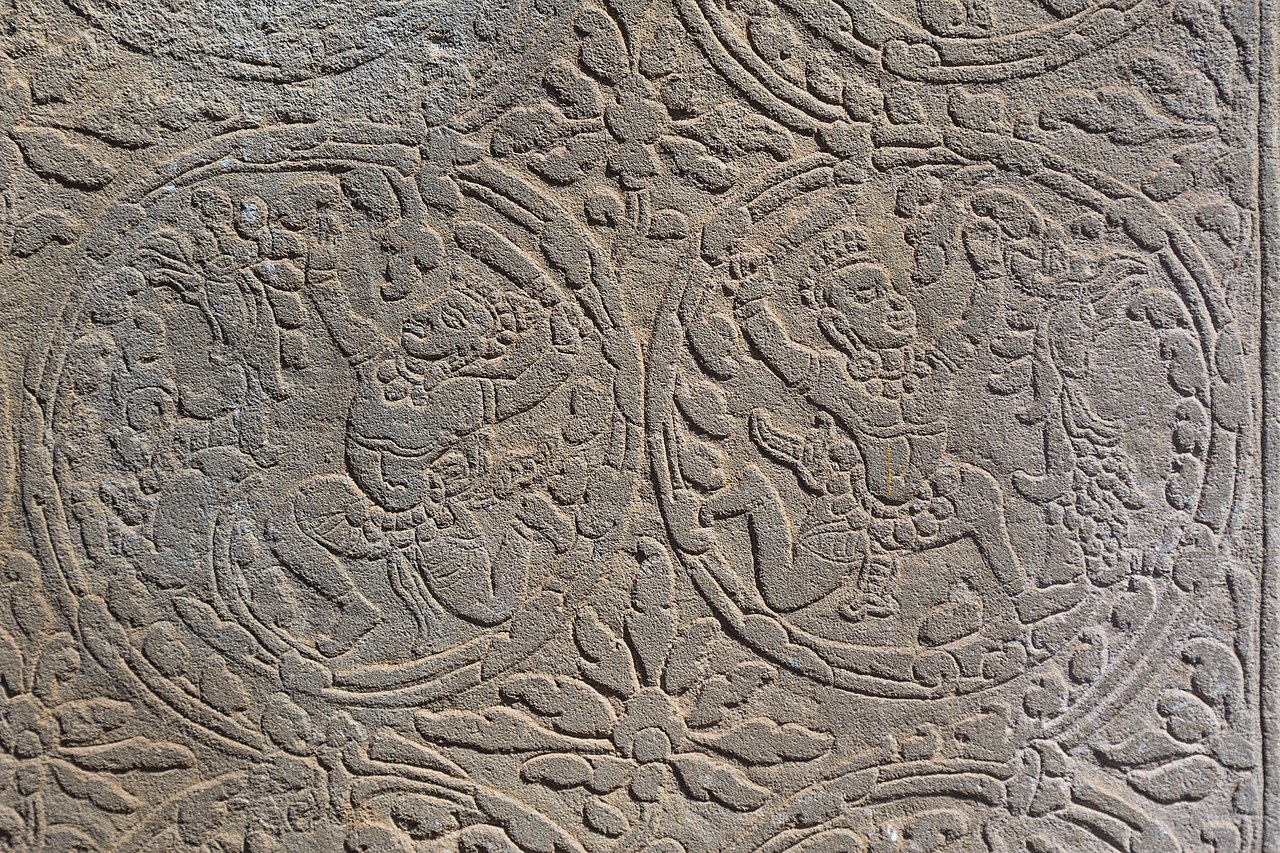
The art traces its ancestry to indigenous Khmer fighting methods used for hunting and battlefield combat. Over centuries these techniques were refined into ritualized forms and competitive displays. Like many traditional martial arts in Southeast Asia, pradal serey was shaped by local culture and regional exchanges with neighboring systems. Its practice declined during periods of upheaval in the 20th century but has since been revived and promoted as part of Cambodia’s cultural legacy.
Sport Rules, Training, and Modern Practice
As a sport, pradal serey is conducted in a roped ring with rounds judged by effectiveness, clean striking and aggression; knockouts remain decisive. Fighters train with pad work, partner drills, sparring, conditioning and clinch practice to develop power, timing and durability. Protective gear used in amateur competition may include gloves and mouthguards; professional bouts follow standardized safety and officiating rules in licensed events.
Importance and Distinctions
Pradal serey is widely regarded as a living expression of Khmer identity and is often featured at cultural festivals and national competitions. It shares similarities with neighboring striking arts, such as Muay Thai, but retains distinctive emphasis on certain elbow techniques, a specific cadence in exchanges and local training traditions. Today it exists both as a competitive sport and as a cultural practice taught in gyms and community centers across Cambodia and in expatriate communities abroad.
For further reading on cultural aspects and contemporary events, consult local sources and national sports organizations.
Questions and answers
Q: What is Pradal Serey?
A: Pradal Serey is a form of martial arts practiced by the Khmer people in Cambodia.
Q: What are the uses of Pradal Serey?
A: Pradal Serey is used for self-defense as well as for sports purposes.
Q: What kind of attacks are used in Pradal Serey?
A: The practitioners of Pradal Serey use punches, kicks, elbow attacks, and knee attacks.
Q: What is clinching in Pradal Serey?
A: Clinching is a technique used in Pradal Serey where the opponent battles for dominant positions to land an attack.
Q: What is common practice during clinching in Pradal Serey?
A: Pushing and grabbing the opponent's upper body is common in clinching.
Q: What is the primary objective of clinching in Pradal Serey?
A: The primary objective of clinching in Pradal Serey is to achieve a dominant position over the opponent to land an attack.
Q: How do the practitioners of Pradal Serey defend themselves against kicks?
A: The practitioners of Pradal Serey often grab the opponent's leg to defend against a kick.
Related articles
Author
AlegsaOnline.com Pradal Serey — Traditional Khmer Kickboxing Leandro Alegsa
URL: https://en.alegsaonline.com/art/78583
Sources
- app1.chinadaily.com.cn : app1.chinadaily.com.cn
- thestar.com : thestar.com/news/world/2013/02/09/cambodian_women_embrace_ancient_art_of_khmer_kickboxing…
- phnompenhpost.com : phnompenhpost.com/national/kickboxing-battered-bribery-and-fight-fixing
- phnompenhpost.com : phnompenhpost.com/post-weekend/hard-life-ring
- talesofasia.com : talesofasia.com/rs-114-kick.htm