
Postage meter: function, components, history, and uses
A postage meter is a device that prints postage indicia on mail or labels, used by businesses to replace stamps, manage postage accounting, and speed bulk mailing.
Overview
A postage meter is a machine that prints a postage imprint or applies a meter label to outgoing mail as proof of payment. Often called a franking machine in some countries, it replaces individual adhesive stamps for organizations that send regular or bulk correspondence. Postage meters combine value accounting with an imprinting mechanism to record postage deducted from a prepaid account.
Image gallery
6 Images


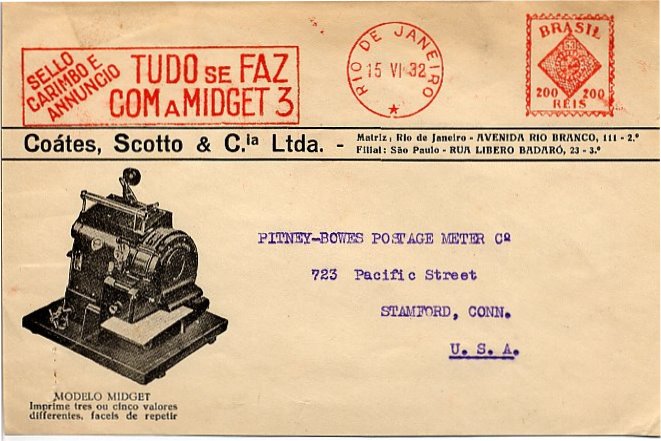

Main components
Typical elements of a postage meter include:
- Printing head or label applicator: produces the postal indicia on envelopes or labels.
- Accounting mechanism: tracks funds, postage used, and transaction records.
- Recharge interface: allows adding funds or resetting via a postal authority or authorized agent.
- Security features: tamper-resistant casing, unique meter numbers, and encrypted records.
History and development
Postage meters emerged as businesses sought faster, more efficient ways to handle outgoing mail. Early mechanical models gave way to electromechanical and then digital systems that integrate with office networks and shipping software. Postal administrations typically license meters and set standards for indicia formats and security.
Uses and benefits
- Speeds processing of large mail volumes and reduces handling time.
- Provides centralized accounting for postage expenses and auditing.
- Enables discounted bulk rates and programmable mail classes.
- Simplifies returns and permit imprinting for recurring mailings.
Operation and regulation
Postage meters are supplied, inspected, or approved through postal authorities or licensed vendors. Recharging a meter typically involves transferring funds from a postal account. For more detailed manufacturer or postal authority guidance see manufacturer and postal authority information and for services and mailing options consult mailing services.
Distinctions and notable facts
Unlike adhesive stamps, meter indicia include machine-readable elements and tracking data. Internet or PC-based postage services provide an alternative by printing indicia from software, but physical meters remain common in organizations that prioritize speed, centralized control, and integration with mailing equipment.
Related articles
Author
AlegsaOnline.com Postage meter: function, components, history, and uses Leandro Alegsa
URL: https://en.alegsaonline.com/art/78373