
PowerBook: Apple's Professional Laptop Line (1991–2006)
Overview of the PowerBook family of laptop computers by Apple (1991–2006): design innovations, development, notable models, uses, awards, and its legacy leading to the MacBook.
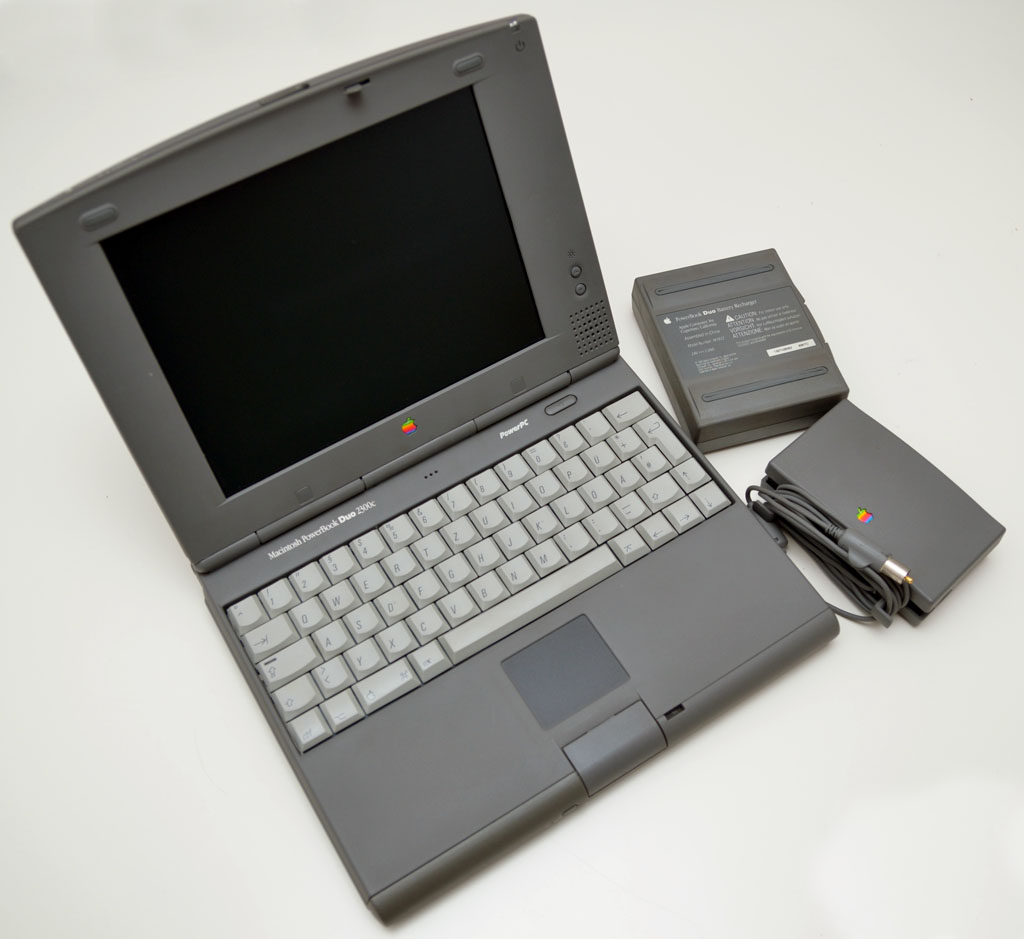
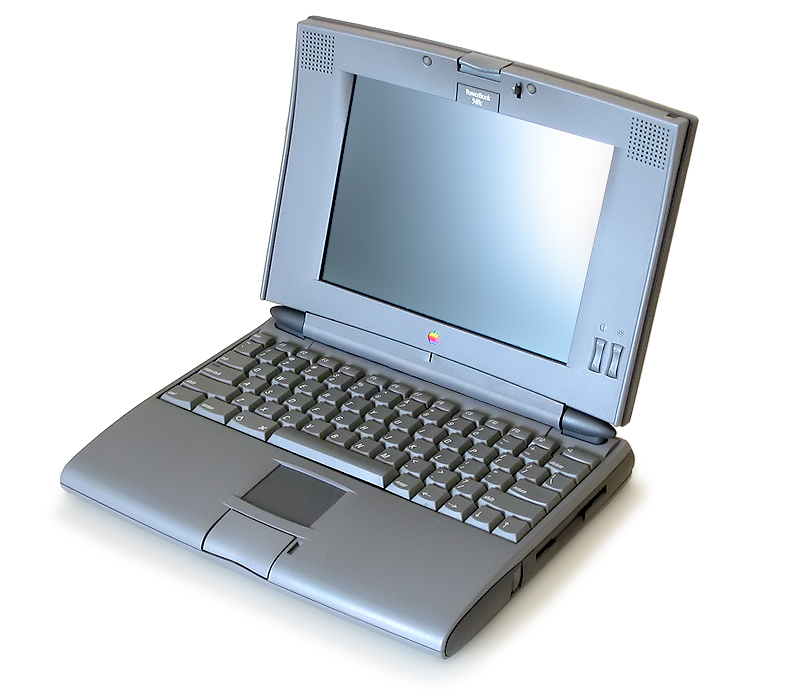
The PowerBook was a family of laptop computers produced by Apple between 1991 and 2006. Positioned for professional and mobile users, the series combined compact housings with performance components based on the PowerPC architecture. The line evolved across several redesigns and processor generations, and it helped define many conventions of modern laptop layout and ergonomics.
Image gallery
10 Images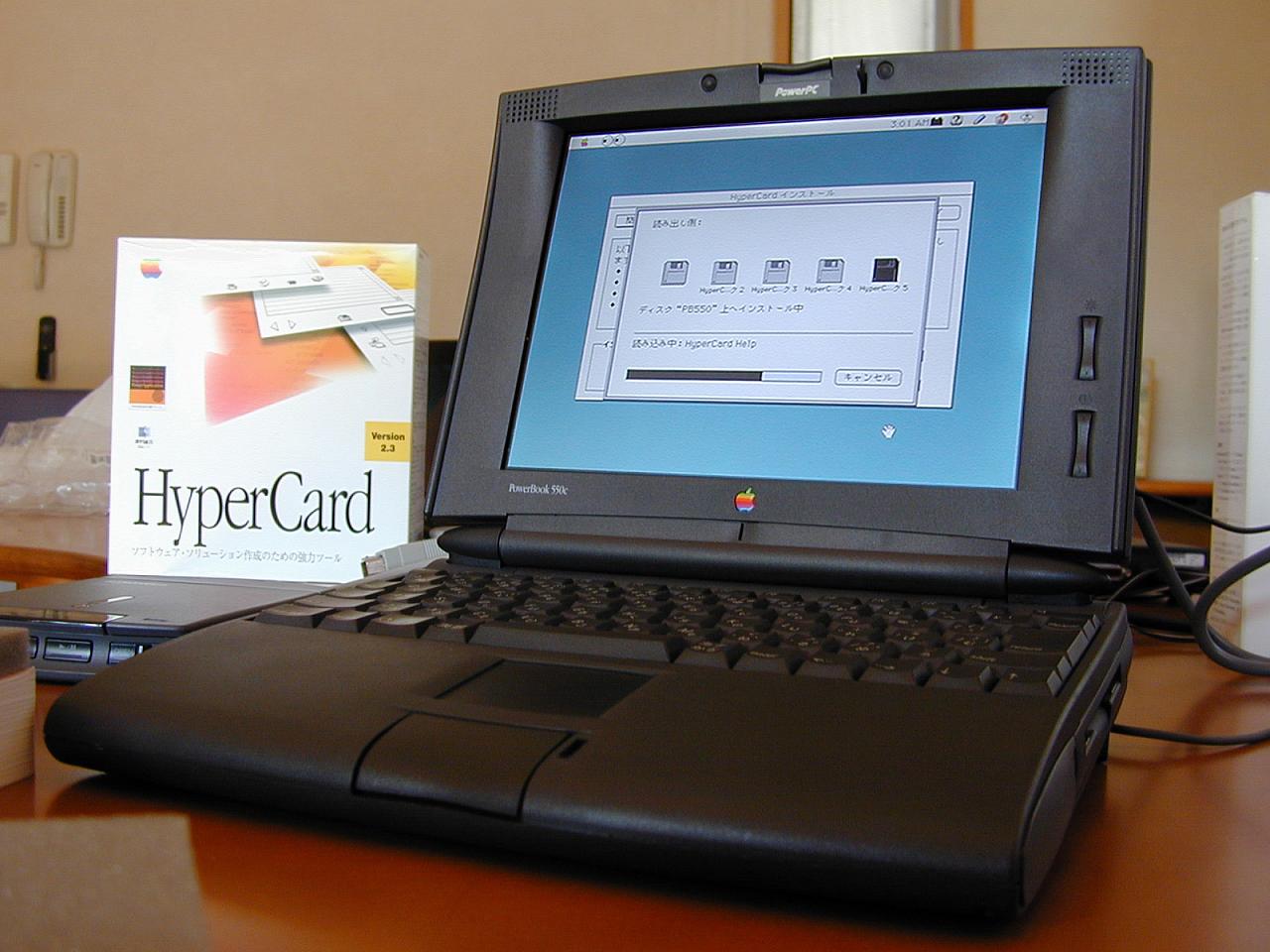


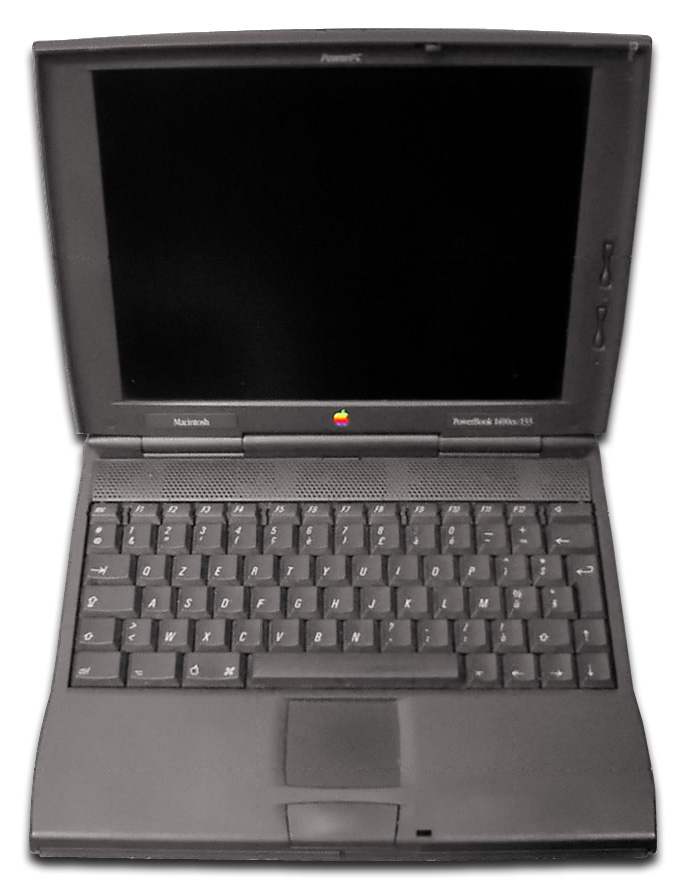
Design and distinguishing features
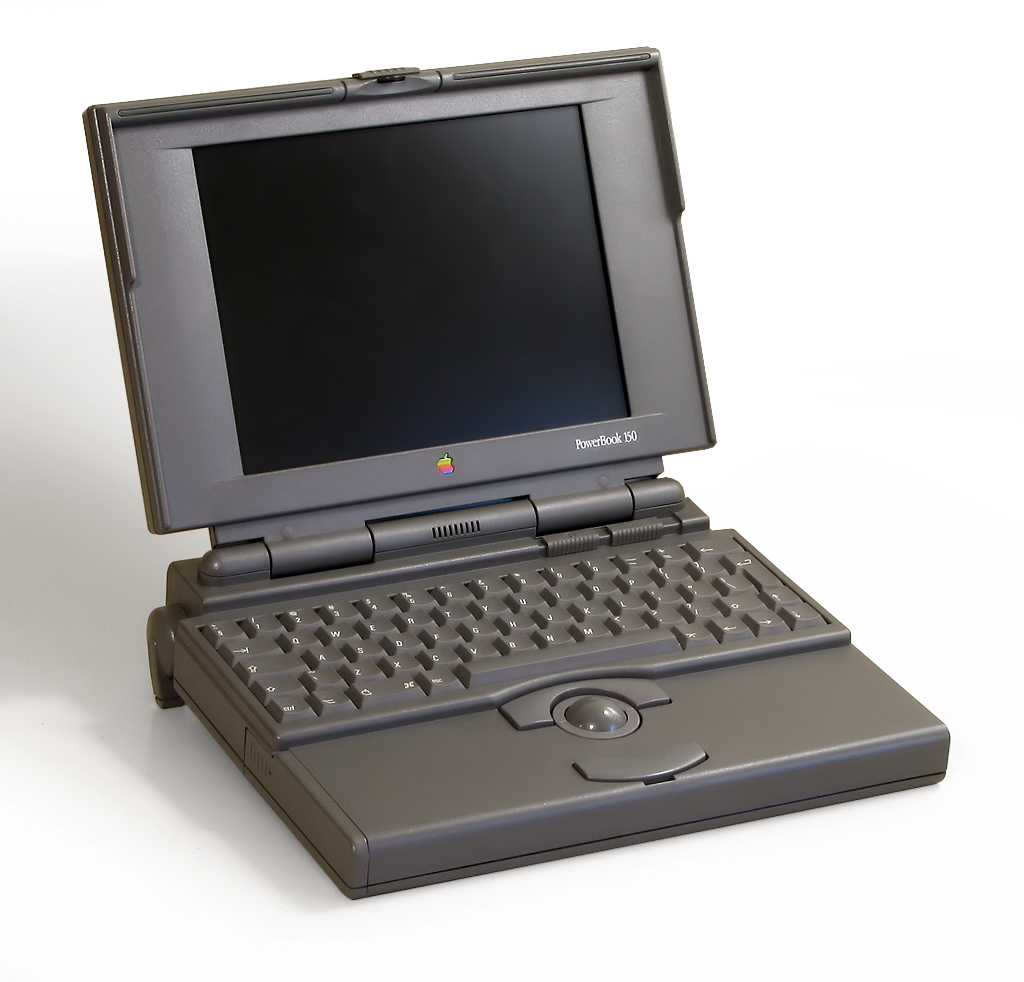
From the first models, PowerBooks emphasized a layout that placed the keyboard toward the rear with a palm rest area and a pointing device in front—an arrangement that influenced later laptop designs industry-wide. Over its life the family adopted and refined features such as integrated optical drives, PC Card (PCMCIA) slots on some models, built-in networking, increasingly capable displays, improved battery systems, and, in later generations, glossy and high-resolution screens. Apple also moved from trackballs to trackpads and introduced convenient power- and media-related innovations that were notable at the time.
History and development
The PowerBook line followed Apple's earlier portable efforts (for example the Macintosh Portable) and coexisted with some third-party Macintosh-compatible laptops. Introduced in 1991, PowerBooks went through multiple platform updates tied to the PowerPC processors and to new industrial designs. In 1999 Apple launched the consumer-focused iBook to sit alongside the PowerBook line. In 2006 Apple consolidated its laptop offerings under the MacBook name as the company transitioned from PowerPC to Intel processors, bringing the PowerBook era to a close.
Notable models and timeline highlights
- Early 1990s: initial PowerBook models establish the rear-keyboard/palm-rest layout.
- Late 1990s–early 2000s: improvements in display quality, expansion options and battery life.
- Early 2000s: high-end PowerBook G4 models adopted thinner, metal designs and faster processors.
- 2006: transition to Intel processors and the replacement of PowerBook/iBook by the MacBook line.
Uses, reception and impact
Designed primarily for professional and creative users, PowerBooks were popular in fields such as publishing, graphic design, audio and video production, and scientific work. They received design and industry recognition; select models earned awards for industrial design and craftsmanship, and media outlets highlighted specific PowerBook models during their contemporary reviews. The line's influence is often noted in how mainstream laptop manufacturers adopted many of its ergonomics and feature choices.
Legacy and notable facts
The PowerBook line is remembered for helping to codify the modern laptop layout, for pushing portable performance with a focus on creative professionals, and for its role in Apple's broader hardware evolution. Key distinctions include its long use of the PowerPC family of processors and the later move to sleeker metal enclosures. After production ended in 2006, Apple continued to build on lessons from the PowerBook when designing the MacBook family and subsequent professional laptops in its product range.
For further reference on specific models and technical details, consult archival resources and product documentation provided by Apple and contemporary reviews: Macintosh software and compatibility notes and specialist histories are useful starting points for deeper study. Additional manufacturer and design award records can be found through institutional links and design archives.
See also: timelines of Apple portables, comparisons between PowerBook and iBook, and the transition to MacBook designs.
Related articles
Author
AlegsaOnline.com PowerBook: Apple's Professional Laptop Line (1991–2006) Leandro Alegsa
URL: https://en.alegsaonline.com/art/78557