
Post Falls, Idaho
Post Falls is a riverfront city in northern Idaho near Coeur d'Alene and Spokane. Known for its dam, outdoor recreation, and growing suburban economy, it serves as both a local industrial center and recreation gateway.
Overview
Post Falls is a city situated on the Spokane River in northern Idaho, within easy driving distance of Coeur d'Alene and Spokane, Washington. It functions as a regional crossroads that blends historic riverfront industry with suburban neighborhoods, retail centers, and access to outdoor recreation. For municipal information see the official city site.
Image gallery
2 Images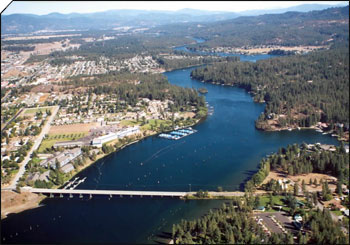

Geography and environment
The city occupies riverfront terrain and parts of a broad prairie basin. Its setting provides a mix of riparian corridors, small urban parks, and nearby lakes and foothills. The river and surrounding green spaces support boating, fishing, hiking and year-round outdoor activities that draw both residents and visitors. For broader state context see Idaho resources.
History and development
Originally a mill and dam settlement, Post Falls grew around river-powered industry established by early entrepreneurs. Over time the town expanded with rail and road connections and evolved from a milling center into a diversified community combining light industry, commerce and housing. Its historic core retains traces of the industrial past alongside newer commercial corridors.
Economy and community life
The local economy mixes manufacturing and distribution with retail, service businesses and recreation-related tourism. Many residents commute to nearby urban centers while others work locally in small and mid-size employers. Community life emphasizes outdoor recreation, family-oriented events and civic organizations. Annual gatherings and local markets are common during warmer months.
Attractions and transportation
- Riverfront parks and trails offering paddling, angling and riverside walks
- Local shops, restaurants and a historic downtown area rebuilt alongside modern development
- Access to regionwide trail systems, lakes and mountain recreation within a short drive
Post Falls is linked by regional highways and is a short trip from larger air and rail hubs, making it both a suburban community and a gateway to northern Idaho recreation. For national context see the United States resources.
Notable distinctions include its river dam heritage and steady growth as part of the greater Spokane–Coeur d'Alene area, which shapes commuting, housing and conservation priorities for the community.
Related articles
Author
AlegsaOnline.com Post Falls, Idaho Leandro Alegsa
URL: https://en.alegsaonline.com/art/78358