
Port, Switzerland
Port is a small municipality in the Biel/Bienne administrative district of the canton of Bern, Switzerland, known for its rural character, proximity to the Biel/Bienne region and bilingual cultural setting.
Port is a municipality of the administrative district Biel/Bienne in the canton of Bern in Switzerland. It belongs administratively to the Biel/Bienne district and is part of the bilingual (German–French) cultural area of the canton of Bern. General information and local services are typically published by the municipality itself and regional authorities (municipal page).
Image gallery
5 Images


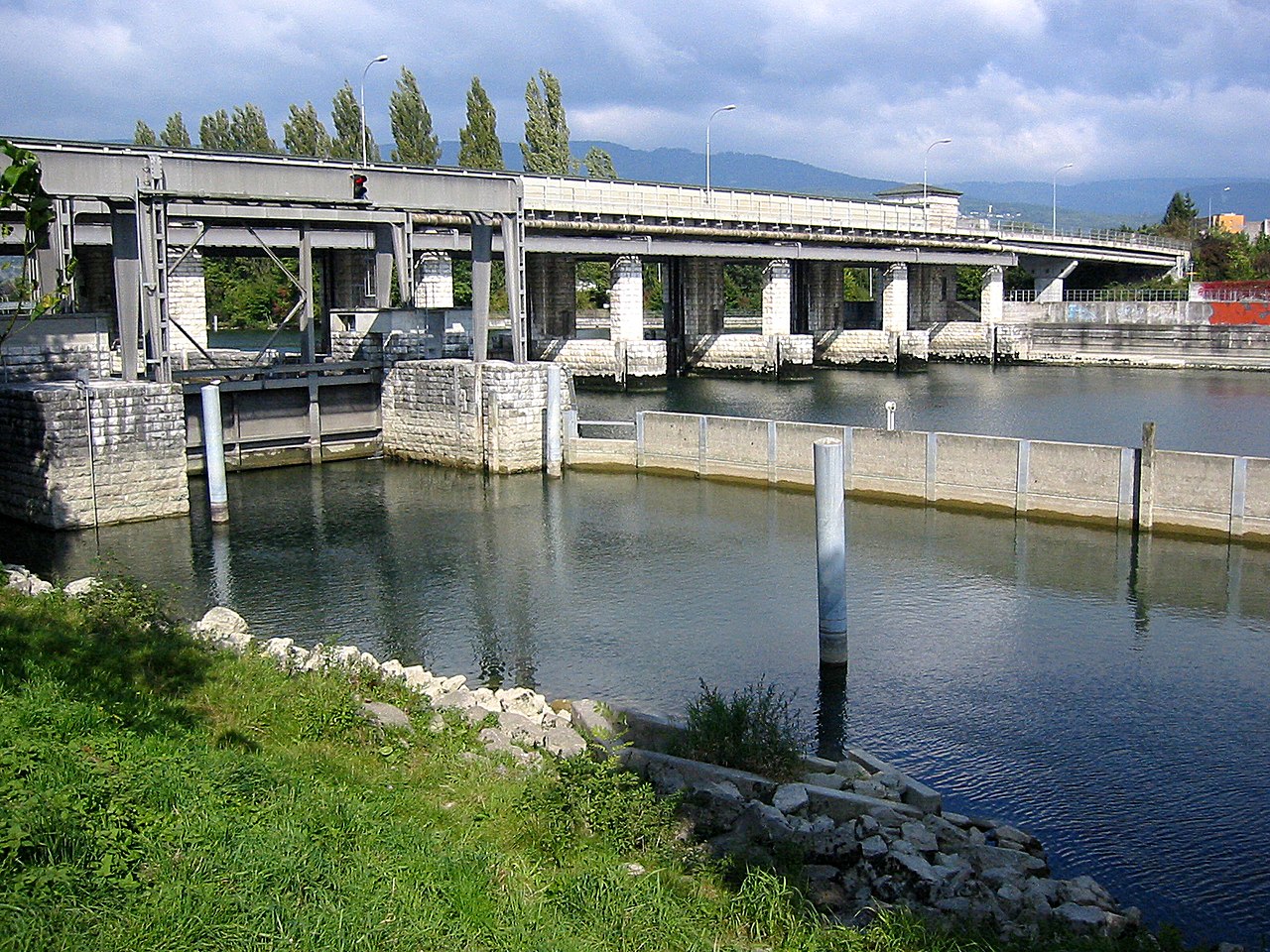

Geography and landscape
Port occupies a compact area typical of small Swiss municipalities. The surrounding landscape combines agricultural land, patches of woodland and easy access to larger urban centers in the Biel/Bienne region. The district is situated between the Jura foothills and the lowlands around Lake Biel, and Port shares features of this transitional environment.
History and development
The settlement history of the area follows common regional patterns: rural origins, gradual integration into broader economic networks, and influence from nearby towns. Over time residents shifted from mostly agricultural livelihoods toward a mix that includes services, small industry and commuting to jobs in Biel/Bienne and other nearby centres. Local heritage often reflects both German- and French-speaking traditions.
Economy, transport and services
The local economy is dominated by small businesses, agriculture and trades. Residents frequently rely on road and public-transport connections to reach larger employment hubs. Municipal governance provides basic services, and regional transport links connect Port with Biel/Bienne and the wider canton.
Culture and notable features
- Bilingual setting: German and French are both present in daily life and administration.
- Community life: local clubs, seasonal events and traditions reflect rural and regional practices.
- Proximity to regional attractions: residents benefit from cultural and recreational amenities in the Biel/Bienne area.
For official statistics, maps and administrative details consult the canton or municipal resources linked above. Port exemplifies a small Swiss municipality that combines local identity with close ties to a larger bilingual urban region.
Related articles
Author
AlegsaOnline.com Port, Switzerland Leandro Alegsa
URL: https://en.alegsaonline.com/art/78232
Sources
- bfs.admin.ch : "Arealstatistik Standard - Gemeinden nach 4 Hauptbereichen"
- bfs.admin.ch : "Ständige Wohnbevölkerung nach Staatsangehörigkeitskategorie Geschlecht und Gemeinde; Provisorische Jahresergebnisse; 2018"