
Portage la Prairie: Manitoba prairie city and regional centre
Portage la Prairie is a city in Manitoba known for its prairie landscape, agricultural economy, and role as a regional service hub. Historical portage routes shaped its name and development.
Overview
Portage la Prairie is a city in central Manitoba that functions as a regional service and agricultural centre. According to the 2006 census the city had a population of 12,728; more recent counts have shown modest change as the community balances rural and urban influences. It lies on the prairie landscape west of the provincial capital and serves surrounding farming districts.
Image gallery
10 Images



Geography and name
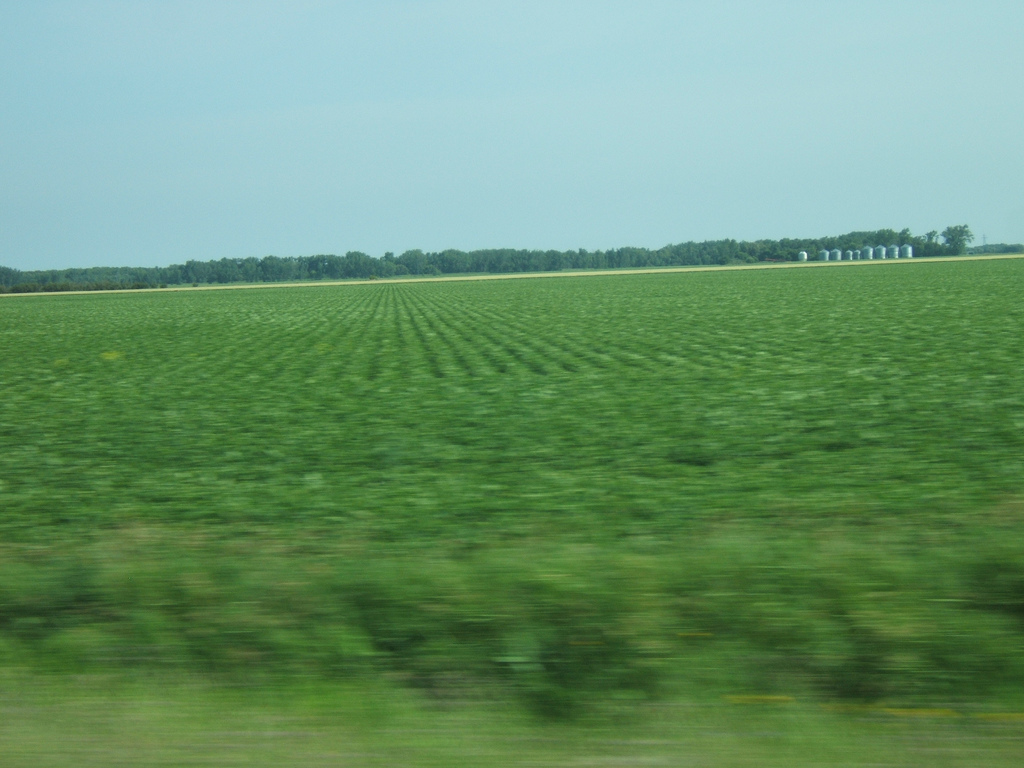
The city's name commemorates an important portage: a historic land route used to bypass river rapids and connect waterways. Indigenous peoples and later fur traders used these portage routes to travel between river systems across the plains, and the settlement grew at a convenient crossing and meeting place. The local setting is typically prairie—open fields, mixed farmland and river corridors—that shapes both land use and local climate.
Economy and infrastructure
Portage la Prairie's economy is strongly linked to agriculture and related industries. Grain production, seed processing and food manufacturing are significant employers, and local businesses provide equipment, transportation and services to farmers. The city is served by provincial highways, rail lines and a regional airport, which together support commerce and connections to larger centres. Tourism plays a seasonal role through events, museums and outdoor recreation.
Culture, institutions and services
The community supports cultural venues, museums, parks and recreational facilities that reflect both prairie heritage and contemporary life. Schools, health services and municipal institutions provide regional services to residents of the city and surrounding rural municipalities. Annual festivals and community events celebrate local agriculture, history and arts.
Notable facts and partnerships
- The city's name reflects its historic role as a portage site between waterways.
- Portage la Prairie maintains international links: it is a sister city of Plant City in Florida, United States.
- As a regional hub, it balances rural industry with municipal services and small-city amenities.
For more information about municipal services, cultural programs and local history, consult municipal and provincial resources or local cultural organizations and tourism guides.
Related articles
Author
AlegsaOnline.com Portage la Prairie: Manitoba prairie city and regional centre Leandro Alegsa
URL: https://en.alegsaonline.com/art/78250
Sources
- city.portage-la-prairie.mb.ca : city.portage-la-prairie.mb.ca