
Pointe-Noire (Republic of the Congo)
Coastal city and the Republic of the Congo's main Atlantic port. An economic hub in Kouilou Department, known for shipping, oil-related activity, and its role as a transport gateway to the interior.
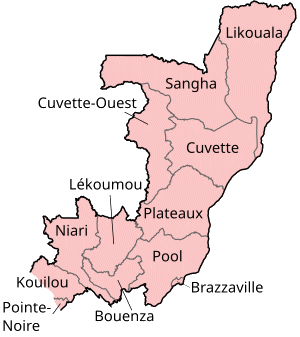
Pointe-Noire is the principal Atlantic port and second largest city of the Republic of the Congo. Located on the coast in the far south of the country, it serves as the chief maritime and commercial center of the nation and the largest urban area in Kouilou Department.
Image gallery
10 Images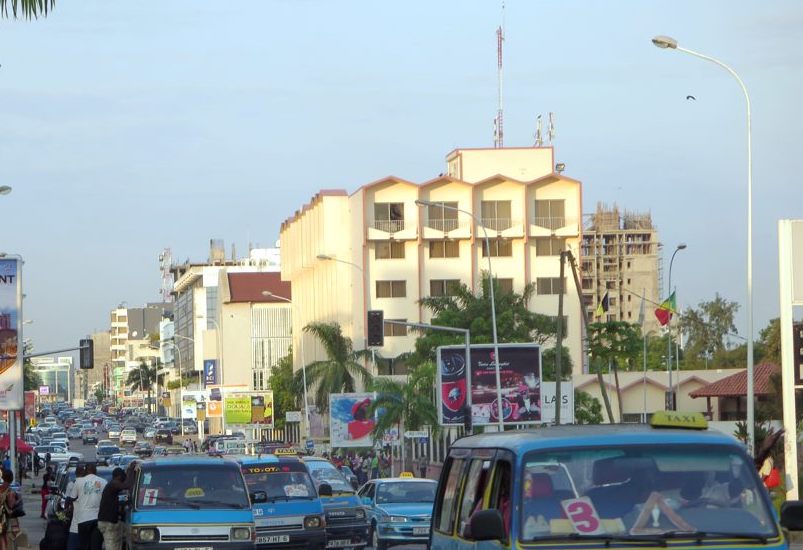



Overview
Originally a small fishing settlement, Pointe-Noire expanded significantly under French colonial influence and later with national development projects. It functions as a commune divided into six urban districts (arrondissements) and was home to roughly 715,000 people by one 2007 estimate, with continued urban growth and migration since that time.
Characteristics and infrastructure
- Port and shipping: Pointe-Noire hosts a deep-water port handling imports, exports and regional trade, and is a principal gateway for goods entering and leaving the country.
- Transport links: The city is the terminus of the Congo–Ocean Railway that connects the coast with inland cities, and it has road connections and an international airport serving the region.
- Economy: Activities center on maritime trade, fisheries, and petroleum-related services, with companies supporting offshore oil exploration and logistics.
Its coastal position gives Pointe-Noire beaches and a maritime climate that contrast with the inland capital, Brazzaville. Urban neighborhoods include residential districts, market areas, industrial zones and port facilities, reflecting a mix of commercial and working-class activity.
History and importance
Pointe-Noire's growth accelerated during the colonial period and continued as the country developed its transport and extractive industries. The city's port and railway have long given it strategic economic importance, making it a focal point for trade, employment and regional services.
Today Pointe-Noire remains a key economic engine for the country: a hub for shipping, oil-service firms, and regional commerce, while also facing the urban challenges common to rapidly growing coastal cities, such as infrastructure pressure and social needs.
Related articles
Author
AlegsaOnline.com Pointe-Noire (Republic of the Congo) Leandro Alegsa
URL: https://en.alegsaonline.com/art/77640
Sources
- world-gazetteer.com : "Estimation at World Gazetteer"
- cnsee.org : "Population des Départements"