
Poás Volcano National Park
A protected area in Costa Rica centered on the active Poás Volcano, known for its steaming crater, acid lake, cloud-forest habitat, visitor trails and intermittent closures from gas and eruptions.
Overview
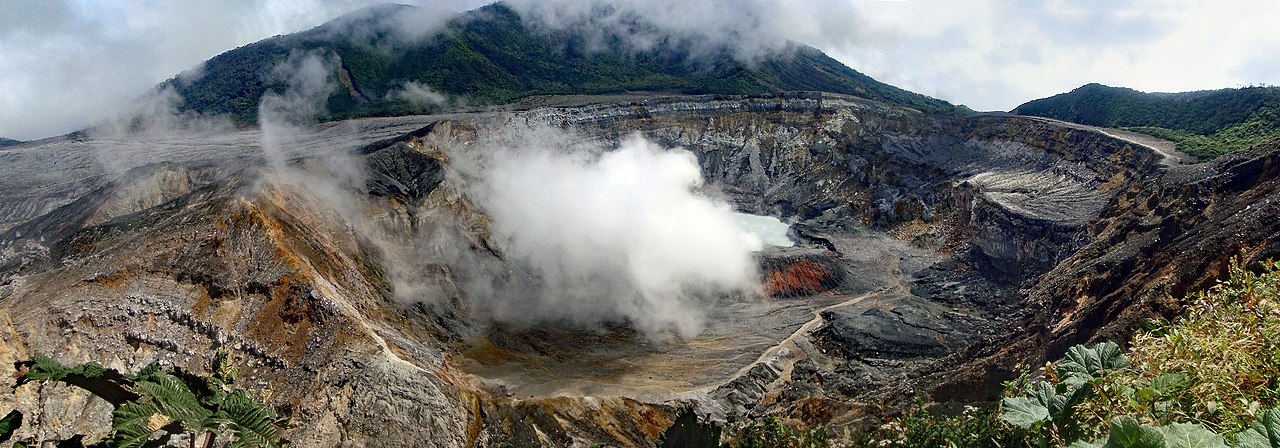
Poás Volcano National Park (Parque Nacional Volcán Poás) protects the summit area of one of Costa Rica's most accessible active volcanoes. The park lies in the highlands of the Alajuela province and is a popular destination for tourism, education and scientific monitoring. The summit complex contains multiple craters, including the deeply incised main crater and a separate lake-filled basin.
Image gallery
4 Images


Geology and volcanic activity
The volcano is active and characterized by a large, acidic main crater about 290 metres deep. Fumaroles, sulfur deposits and intermittent phreatic explosions are typical, producing steam, gas plumes and occasional small pyroclastic or lava events. The park experienced its last major eruptive phase in the early 1950s (1952–54), and since then scientists have recorded episodes of heightened seismicity and increased gas emissions. Costa Rican monitoring agencies carry out continuous observations of seismic activity and gas output to assess volcanic unrest.
Ecology and landscape
The park occupies high-elevation cloud forest and páramo-like habitats around the crater rim. Vegetation includes resilient montane species adapted to acidic soils and frequent fog; birdlife and endemic plants make the area ecologically important. Acidic aerosols and sulfur deposition from the crater influence nearby soils and water bodies, creating distinctive ecological conditions in the immediate summit zone.
History, research and conservation
Poás has played a role in Costa Rica's natural history and volcanology. Scientific study of its eruptions, gas chemistry and crater-lake dynamics has informed hazard management and visitor policies. Conservation efforts within the national park balance public access with protection of fragile highland ecosystems and ongoing monitoring of volcanic hazards.
Visitor access and hazards
The park includes viewpoint platforms, short trails and a visitor center that interpret volcanic features and safety precautions. Because the crater emits sulfur dioxide and other gases, authorities periodically close the summit to protect health; closures also occur after sudden phreatic events. Prospective visitors should consult the official park information and scientific updates from institutions that study the volcano, such as those linked at Poás Volcano monitoring pages.
Notable facts and practical tips
- The park contains both the active main crater and the nearby lake-filled Botos crater, which is cooler and supports different vegetation.
- Weather at the summit is variable; wrap up warm and be prepared for fog and rain.
- Always follow posted warnings: high sulfur levels can cause respiratory irritation and sudden explosions can shower the area with ash and debris.
- For official guidance on closures and trail conditions check resources for Poás and local authorities listed at main crater.
Related articles
Author
AlegsaOnline.com Poás Volcano National Park Leandro Alegsa
URL: https://en.alegsaonline.com/art/77559
Sources
- protectedplanet.net : Volcán Poás National Park