
Pocatello, Idaho
Pocatello is a regional city in southeastern Idaho, county seat of Bannock County, home to Idaho State University, cultural institutions, transportation links, and access to nearby public lands and recreation.
Overview
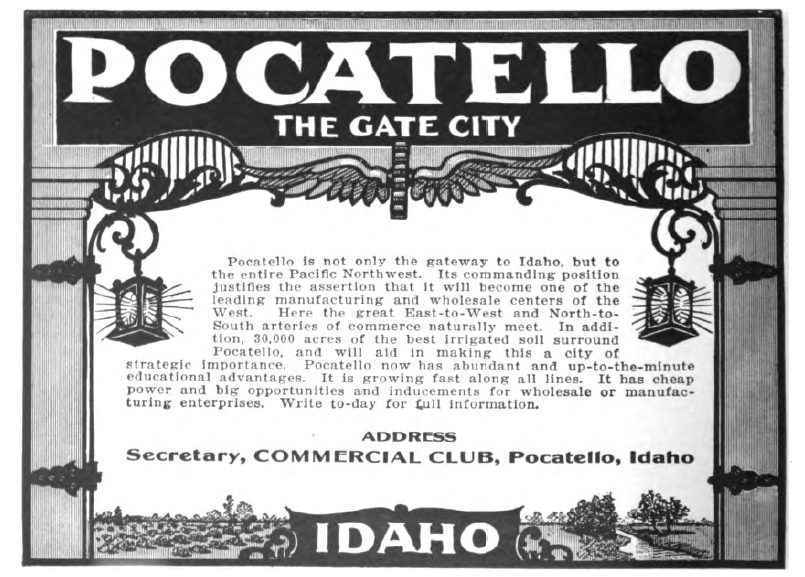
Pocatello is a city in southeastern Idaho that serves as the county seat of Bannock County and a local center for commerce, education and transportation. Located in a river valley, it functions as a service hub for surrounding agricultural and rural communities. The city is well connected by interstate highways and regional rail lines and is often used as a base for travel within the broader United States West.
Image gallery
10 Images


History and origins
The area around Pocatello has long been associated with Indigenous peoples of the region, and the modern name commemorates a Shoshone leader. The town expanded in the 19th century with the arrival of railroads and the development of transport and trade corridors, which shaped its early economy and settlement patterns. Over time the local economy diversified beyond rail and resource extraction to include manufacturing, distribution and services.
Institutions and culture
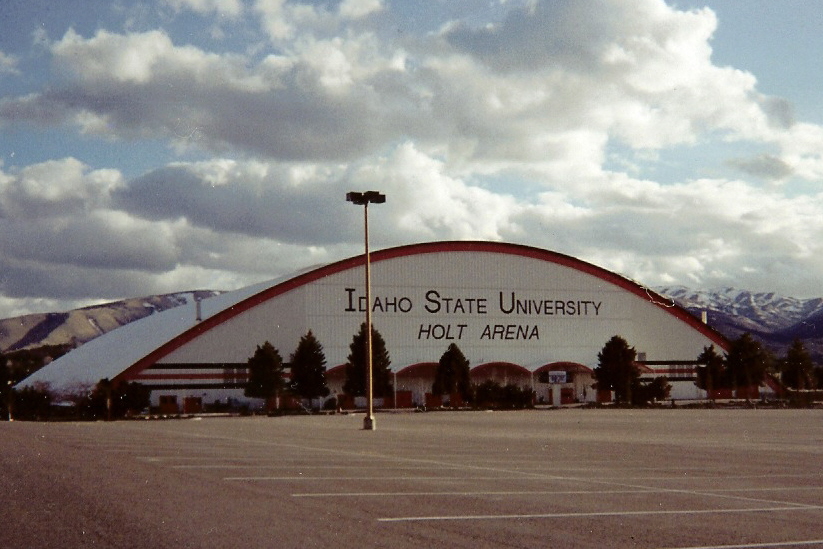
Pocatello is home to Idaho State University, an important educational and cultural anchor that supports research, arts and collegiate athletics. Cultural venues include museums, galleries and performance spaces that host exhibitions, community events and touring shows. The nearby Fort Hall Indian Reservation and other Indigenous communities remain a vital part of the region's cultural landscape.
Economy, infrastructure and recreation
Major employment sectors include education, healthcare, retail, light manufacturing and logistics. The city's rail and highway connections support freight movement and regional trade, while a regional airport provides air service for passengers and cargo. Outdoor recreation is readily available: local river corridors, trails and nearby public lands offer hiking, fishing, winter sports and wildlife viewing. Pocatello provides visitor services, lodging and museums that make it a practical gateway for exploring mountain and high-desert environments in the region.
- Key features: university campus, regional museum and community arts venues.
- Transport: interstate access, freight rail lines and a regional airport.
- Nearby: tribal lands, mountain recreation areas and agricultural communities.
Pocatello continues to evolve as local economic and educational priorities change while retaining its historical connections to transportation and regional service roles. Visitors and residents alike value its blend of civic institutions, practical services and access to Idaho's outdoor landscapes.
Related articles
Author
AlegsaOnline.com Pocatello, Idaho Leandro Alegsa
URL: https://en.alegsaonline.com/art/77566
Sources
- www2.census.gov : "2016 U.S. Gazetteer Files"
- factfinder2.census.gov : "American FactFinder"
- census.gov : "Population and Housing Unit Estimates"
- w2.weather.gov : "NowData – NOAA Online Weather Data"
- census.gov : "Census of Population and Housing"