
Plutarch: Greek Biographer, Historian and Moral Essayist
Plutarch (c. AD 46–after 119) was a Greek biographer, essayist and moral philosopher whose Parallel Lives and Moralia shaped later views of antiquity and ethical thought.
Plutarch is the conventional name given to Mestrius Plutarchus, a Greek writer and moralist active in the late first and early second centuries AD. He is best known for two large bodies of work: a series of paired biographies that compare Greek and Roman figures, and a diverse collection of essays and dialogues dealing with ethical, religious and practical topics. In Greek his name is rendered as Πλούταρχος, and modern readers encounter him both as a source for ancient events and as an exponent of literary and philosophical education.
Image gallery
5 Images
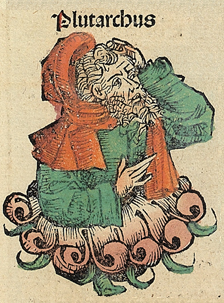


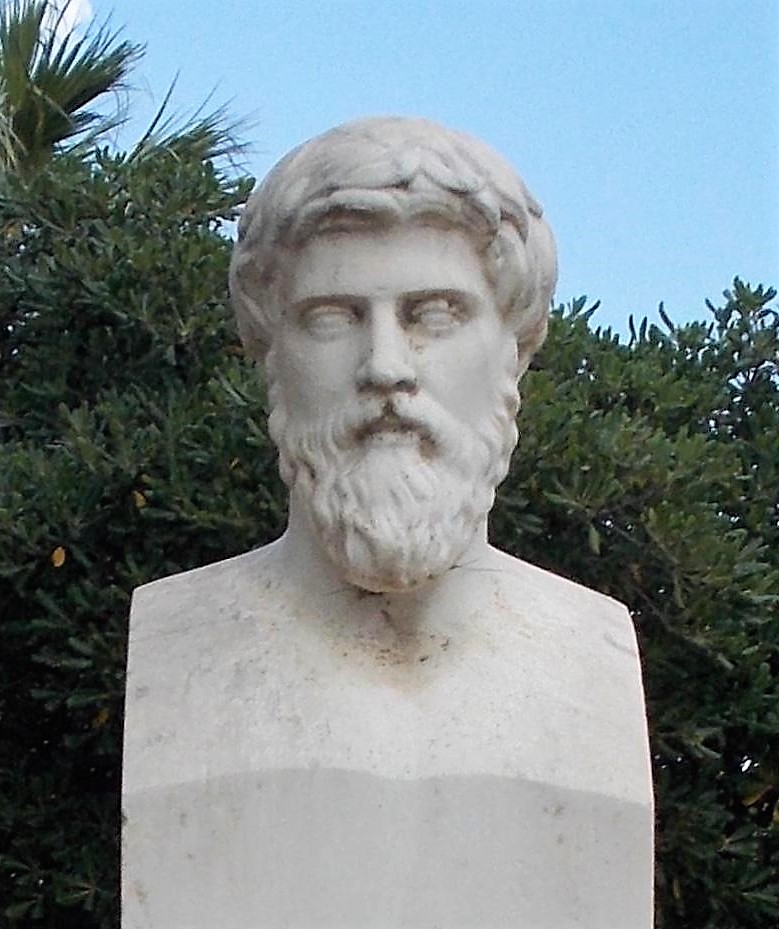
Life and context
Plutarch was born into a respected family in Chaeronea, a town in Boeotia, and lived during the period when Greece was under Roman rule. He traveled and taught widely, maintained ties with prominent Roman and Greek circles, and at some point served as a priest at the sanctuary of Apollo at Delphi. He is commonly described as a moral philosopher and has been linked with the Platonic tradition; his works reflect a practical, ethical outlook rather than purely theoretical philosophy.
Major works
Plutarch organized his writings around two complementary aims: to illuminate character and to instruct in moral conduct. His most important compositions can be grouped as follows.
- Parallel Lives — a series of paired biographies of famous Greeks and Romans, intended to draw moral and character comparisons; see discussions of leadership, virtue and vice (historian).
- Moralia — a varied collection of essays, speeches and dialogues on topics ranging from ethics and religion to education and superstition (biographies and essays).
Both groups combine historical narrative, anecdote and moral reflection. Plutarch did not aim to produce exhaustive chronologies; his purpose was more biographical and didactic, using lives and conversations to exemplify virtues and faults.
Style, approach and influence
Plutarch's style is anecdotal and amiable, often preferring illustrative episodes to long lists of dates or events. He valued character over strict factual completeness and selected material that would serve rhetorical and instructive ends. Because of this approach, historians treat his accounts cautiously but prize them as witnesses to attitudes, customs and reputations of antiquity.
His works had a long afterlife: they influenced Byzantine scholarship, medieval readers, Renaissance humanists and early modern writers. Translations into Latin and vernacular languages helped make classical moral examples available to generations of European readers. Today Plutarch remains important both for the literary study of biography and for insights into ancient moral thinking. Modern editions and translations, accessible through scholarly and popular channels, continue to shape how the ancient world is understood.
Notable points: Plutarch's writings serve as ethical literature as much as historical source material; his comparative method contrasts Greek and Roman models; and his essays preserve a wide range of cultural detail often absent in other surviving texts.
Further reading and collections of his work are widely available in translation and critical editions; for general reference consult editions and online resources indexed by major libraries and academic projects (Greek name, historian, biographies and essays, Chaeronea, Delphi).
Related articles
Author
AlegsaOnline.com Plutarch: Greek Biographer, Historian and Moral Essayist Leandro Alegsa
URL: https://en.alegsaonline.com/art/77514