
Poldy Bird — Argentine writer and poet
Argentine writer and poet (1941–2018) celebrated for short, intimate prose and collections such as Cuentos para Verónica. Her work reached broad popular audiences in Argentina and beyond.
Poldy Bird (16 December 1941 – 1 June 2018) was an Argentine author and poet whose short, intimate prose found a large popular readership. Born in Paraná in the province of Entre Ríos and raised in Buenos Aires, she built a reputation for accessible, emotionally frank stories that explored love, family and memory. Her writing blended lyrical touches with concise narratives aimed at ordinary readers rather than academic audiences.
Image gallery
1 Image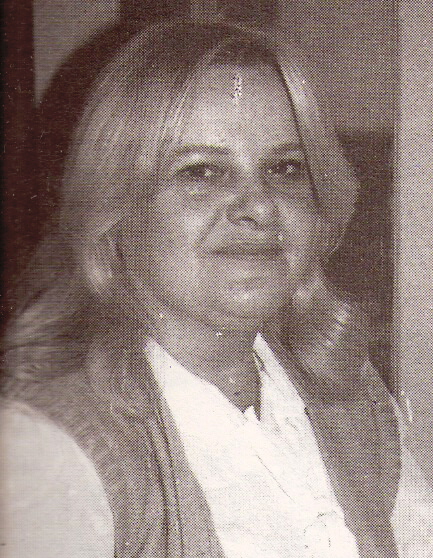
Life and background
Bird spent her childhood and adult life in Argentina, where she published in newspapers and magazines and collaborated with various periodicals at home and abroad. Although she wrote poetry, she became especially known for brief prose pieces and collections of short stories and vignettes. Many of her texts were personal or dedicated to family members, which helped create a strong bond with readers.
Style and themes
Her style is notable for emotional clarity, direct address and a tone that moves between tenderness and melancholy. Recurring themes include motherhood, longing, the passage of time and the small moments that shape domestic life. Bird's sentences often read like aphorisms or short meditations, making them easy to share and remember.
Notable works
- Cuentos para Verónica — a collection dedicated to her first daughter that remains among her best-known books.
- Cuentos para leer sin rimel — a title that signals emotional honesty without melodrama.
- Nuevos cuentos para Verónica and Cuentos con niebla — later collections that continue similar motifs.
These volumes circulated widely with readers who appreciated straightforward expressions of feeling; excerpts and short passages from her work often appeared in newspapers, anthologies and social media reproductions.
Reception and legacy
Poldy Bird became a familiar name in Argentine letters for readers who favored sentimental and reflective prose. Critics and admirers have noted how her accessible voice helped bridge literary and popular audiences. She died at her home in Buenos Aires on 1 June 2018 at age 76, leaving a body of work frequently cited for its emotional immediacy and its appeal to readers seeking consolation or simple wisdom.
For further basic biographical information, see regional sources on Paraná and national literature collections in Argentina.
Related articles
Author
AlegsaOnline.com Poldy Bird — Argentine writer and poet Leandro Alegsa
URL: https://en.alegsaonline.com/art/77708
Sources
- edant.larazon.com.ar : "Panam volvió a la televisión"
- pronto.com.ar : ¡Tristeza! Falleció la escritora Poly Bird