
Pompey the Great (Gnaeus Pompeius Magnus): Roman general and statesman
Gnaeus Pompeius Magnus (Pompey) was a leading military commander and conservative statesman of the late Roman Republic whose career shaped the Republic’s final decades, culminating in civil war with Julius Caesar.
Gnaeus Pompeius Magnus (29 September 106 BC – 28 September 48 BC), commonly known as Pompey or Pompey the Great, was one of the most prominent military commanders and political figures of the late Roman Republic. His career bridged provincial power bases and the heart of Roman politics. Rising from modest Italian origins, Pompey became famed for his string of military successes, his alliance and later rivalry with other leading men, and his role in the events that led to the end of the Republic.
Image gallery
10 Images
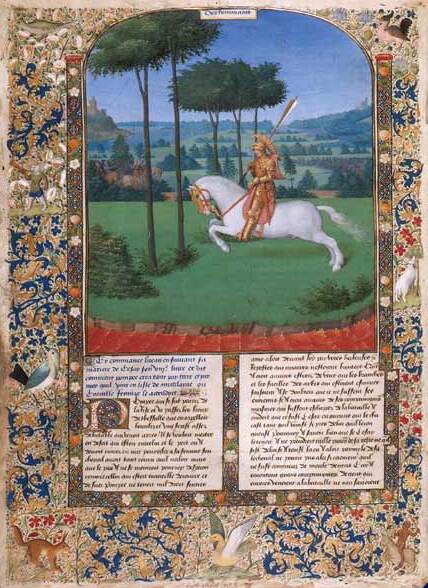




Origins and character
Born into an equestrian family, Pompey first gained notice fighting in the social and civil conflicts of the 80s and 70s BC. He cultivated an image of youthful energy and decisive action, attracting soldiers and clients throughout Italy. The cognomen Magnus, meaning "the Great," was applied to him by Sulla, reflecting both admiration and political utility. Pompey was known for practical military skills, an ability to organize logistics and local alliances, and a conservative orientation toward the Senate, even as he operated independently of traditional aristocratic elites.
Military career and accomplishments
Pompey earned reputation and power through a succession of campaigns across the Mediterranean. Notable phases include:
- Sicilian and African command in the 80s BC during Sulla’s civil wars.
- Suppression of piracy in the Mediterranean (67 BC), an extensive operation that restored maritime security and commerce.
- Eastern campaigns against Mithridates VI of Pontus and other client rulers, which expanded Rome’s influence in Asia Minor and secured large sums of booty and provinces for Rome and himself.
These victories brought him wealth, veterans’ loyalty, and territorial influence that often rivaled senatorial control.
Politics: the First Triumvirate and rivalry with Caesar
In the 60s BC Pompey entered a political partnership with Julius Caesar and Marcus Licinius Crassus, an informal arrangement known as the First Triumvirate. The alliance blended Pompey’s military prestige and veterans’ needs, Caesar’s political ambition and popular support, and Crassus’s wealth. It bent the Republic’s institutions to mutual advantage, though it depended on personal ties and the presence of each partner. After the deaths of Julia (Caesar’s daughter and Pompey’s wife) and Crassus, relations between Pompey and Caesar deteriorated, producing rival claim to leadership and legal immunity for both men.
Civil war and death
When the Senate, backing Pompey, demanded Caesar disband his armies, Caesar crossed the Rubicon in 49 BC and civil war began. After a series of campaigns, Caesar decisively defeated Pompey at the Battle of Pharsalus in 48 BC. Pompey fled to Egypt seeking sanctuary, where he was murdered upon arrival—an act intended by Egyptian courtiers to curry favor with Caesar but which instead eliminated one of the Republic’s last major military leaders.
Legacy and notable distinctions
Pompey’s career illustrates how individual military command, provincial power, and personal alliances changed Roman politics in the first century BC. He left a complex legacy: a general admired for organization and rapid campaigns, a conservative senator who nevertheless undermined Republican norms by using personal power, and a foil whose conflict with Caesar helped end the Republican system. For contemporary and later accounts, see primary histories and biographical studies: ancient narratives, analyses of his campaigns military studies, his role in the Triumvirate political analyses, the civil war Pharsalus studies, and accounts of his death in Egypt Egyptian episode.
Questions and answers
Q: Who was Gnaeus Pompeius Magnus?
A: Gnaeus Pompeius Magnus, also known as Pompey or Pompey the Great, was an important military and political leader of the late Roman Republic.
Q: How did Pompey secure a place for himself in the ranks of Roman nobility?
A: Although Pompey came from an Italian provincial background, he managed to secure a place for himself in the ranks of Roman nobility and was given the nickname Magnus ("the Great") by Lucius Cornelius Sulla.
Q: Who were Pompey's rivals and allies?
A: Pompey was a rival of Marcus Licinius Crassus and an ally to Gaius Julius Caesar. Together, the three politicians would dominate the Late Roman republic through a political alliance called the First Triumvirate.
Q: What caused disputes between Pompey and Caesar?
A: After the deaths of Julia and Crassus (54 BC), disputes between Pompey and Caesar over the leadership of the Roman Republic lead to civil war.
Q: When and where was Pompey decisively beaten by Caesar?
A: Pompey was decisively beaten by Caesar at the Battle of Pharsalus in 48 BC.
Q: Where did Pompey flee after his defeat at the Battle of Pharsalus?
A: After his defeat at the Battle of Pharsalus, Pompey fled to Egypt.
Q: How did Pompey die?
A: Pompey was assassinated in Egypt.
Related articles
Author
AlegsaOnline.com Pompey the Great (Gnaeus Pompeius Magnus): Roman general and statesman Leandro Alegsa
URL: https://en.alegsaonline.com/art/77918
Sources
- penelope.uchicago.edu : Dio, 42,4–5, at Thayer
- commons.wikimedia.org : Gnaeus Pompeius Magnus