
Piura Region (Peru): geography, history, economy and culture
Overview of the Piura Region in northwest Peru: its geography, historical background, economy (agriculture, fishing, oil), culture, main provinces and urban centers, and environmental challenges.

The Piura Region occupies a broad coastal and foothill territory in northwestern Peru. Its administrative capital is the city of Piura, an important commercial and cultural center. The region combines stretches of arid coast, the Sechura Desert, mangrove estuaries and the western fringes of the northern Andes, producing a mix of tropical dry forest and coastal ecosystems. Seasonal climate variability — in particular El Niño events — strongly affects rainfall and river runoff.
Image gallery
5 Images


Geography and environment
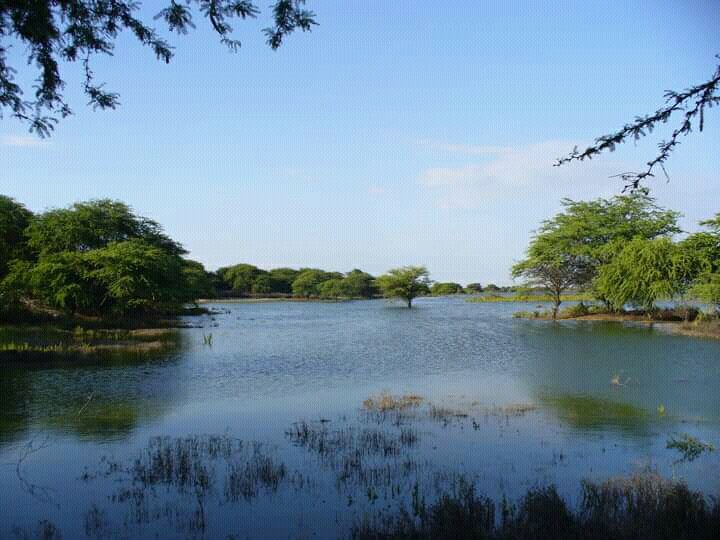
Piura extends from the Pacific shoreline inland to higher valleys and lower Andean slopes. The coastal band contains sandy beaches, fishing ports and urban settlements while inland valleys support irrigated agriculture. Notable natural features include the Sechura Desert, mangrove-lined estuaries, and pockets of tropical dry forest that host specialized flora and fauna. Recurrent warm Pacific episodes periodically cause heavy rains, coastal flooding and changes to fisheries.
History and cultural roots
The region was home to pre-Columbian cultures such as the Tallán and Vicús, whose pottery and settlement patterns influenced later societies. After the Spanish conquest the city of Piura was among the earliest colonial foundations on the Peruvian coast and grew as a gateway for shipping and inland trade. Indigenous, mestizo and coastal fishing traditions have blended over centuries to form the region's distinctive cultural life.
Economy and human activities
Economic activity in Piura centers on agriculture, fisheries and energy. Irrigated valleys produce crops such as rice, cotton and a variety of tropical fruits; artisanal and industrial fishing support coastal communities. The province of Talara contains oilfields and refining infrastructure that have been economically significant. Tourism, led by beach destinations and surf spots, adds seasonal income, especially where coastal towns attract national and international visitors.
Administrative divisions and major centers
- Provinces: Piura, Ayabaca, Huancabamba, Morropón, Paita, Sullana, Sechura and Talara.
- Major cities and ports include Piura (capital), Sullana, Talara, Paita and Sechura.
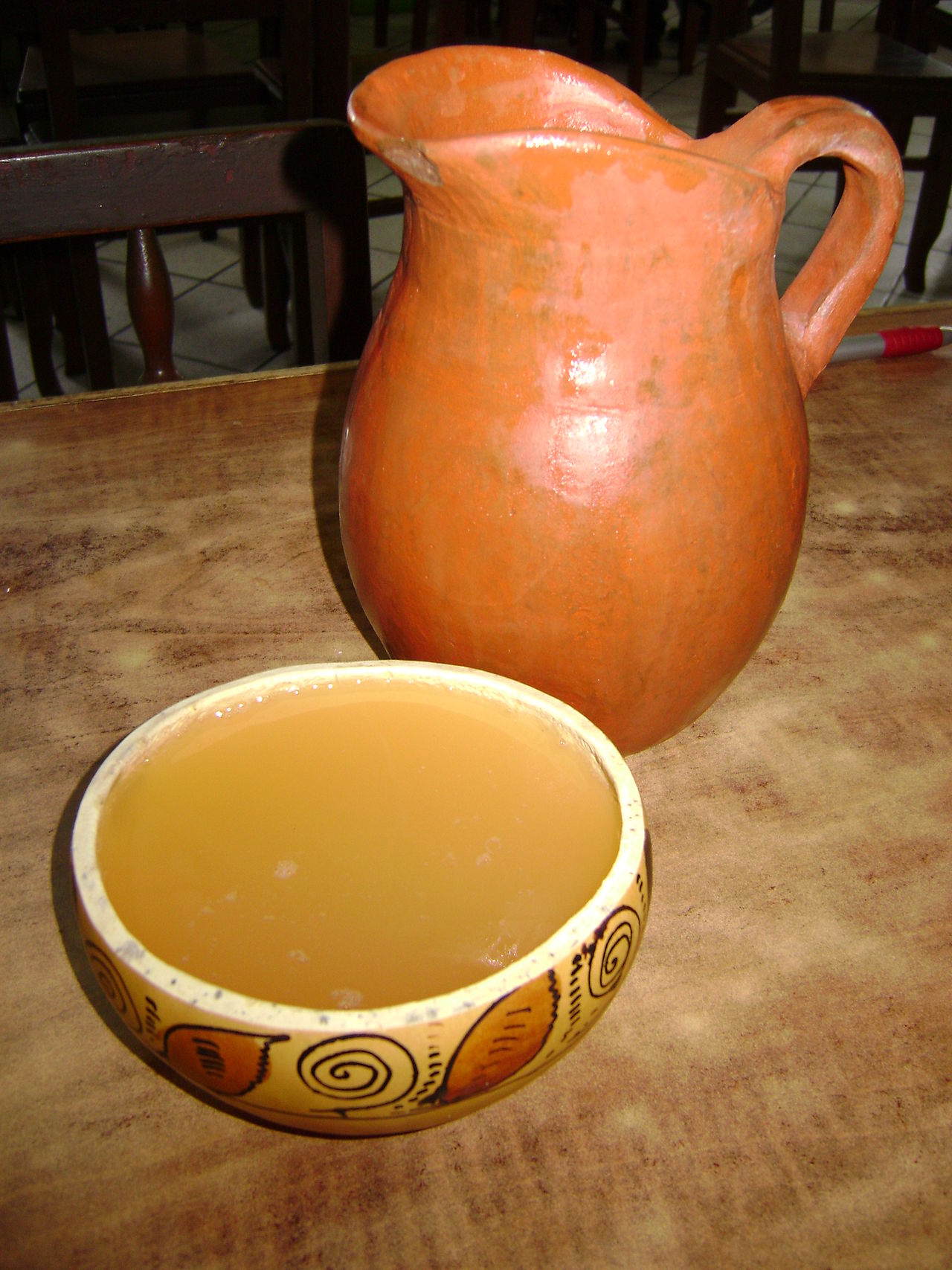
Piura's cultural life is visible in local markets, coastal cuisine built around seafood and tropical produce, and regional festivals. Contemporary challenges include managing water and land resources, mitigating flood risk during El Niño episodes, and balancing development with protection of mangroves and dry-forest habitats. For further administrative or travel information see regional sources and guides linked to official pages and local institutions.
Related articles
Author
AlegsaOnline.com Piura Region (Peru): geography, history, economy and culture Leandro Alegsa
URL: https://en.alegsaonline.com/art/77167