
Piura (Peru) — city and regional capital
Piura is a city in northwestern Peru and the capital of Piura Region. Founded in 1532, it is a commercial and cultural hub near the coast, known for warm climate, agriculture, fishing, and crafts.
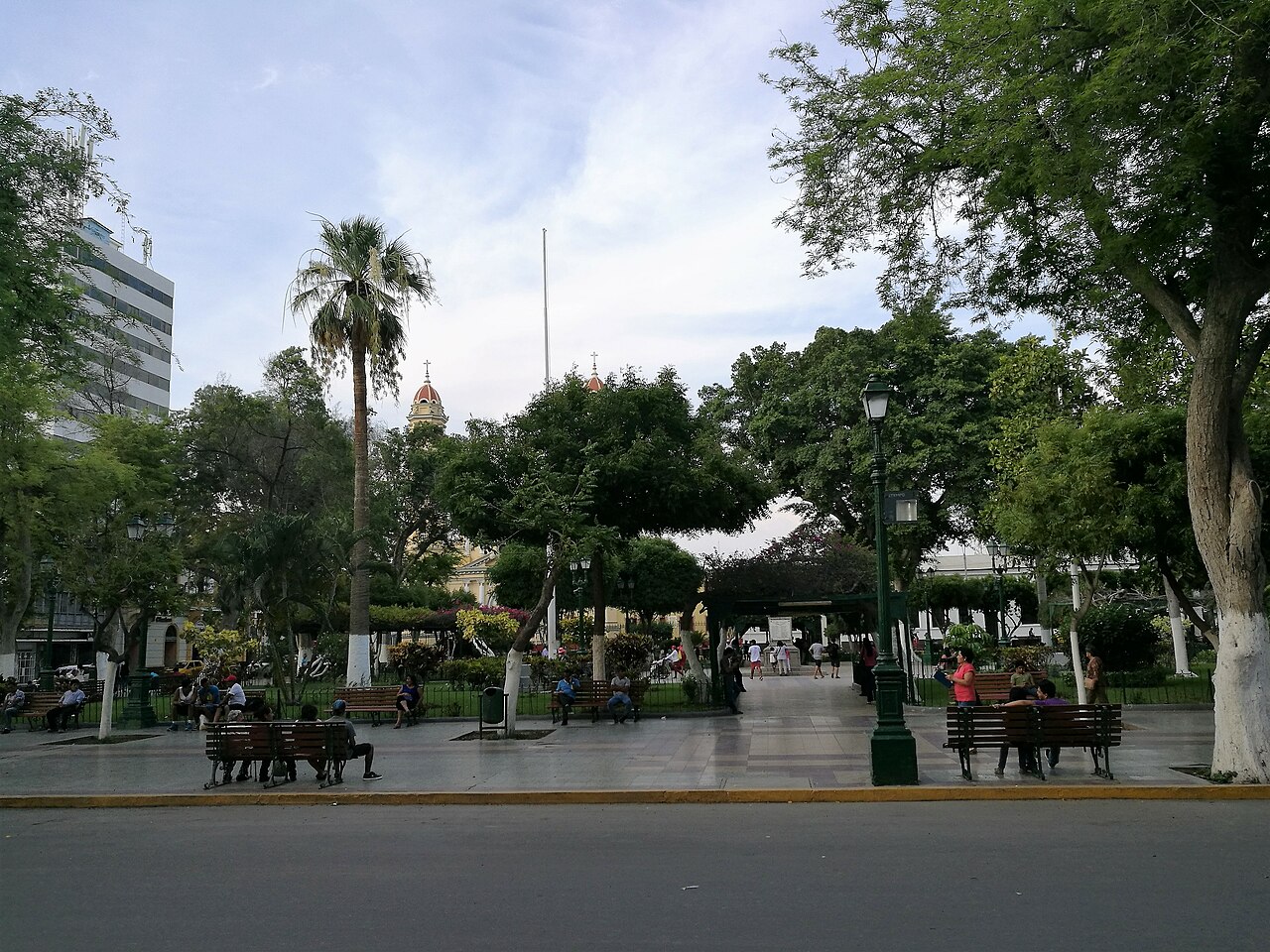
Piura is a city in northwestern Peru, serving as the administrative center of the Piura Region. Established in the early Spanish colonial period, it grew into a regional hub for trade, agriculture and coastal industries. The city combines colonial remnants with modern commercial districts and acts as a gateway to nearby beaches and desert landscapes.

Image gallery
10 Images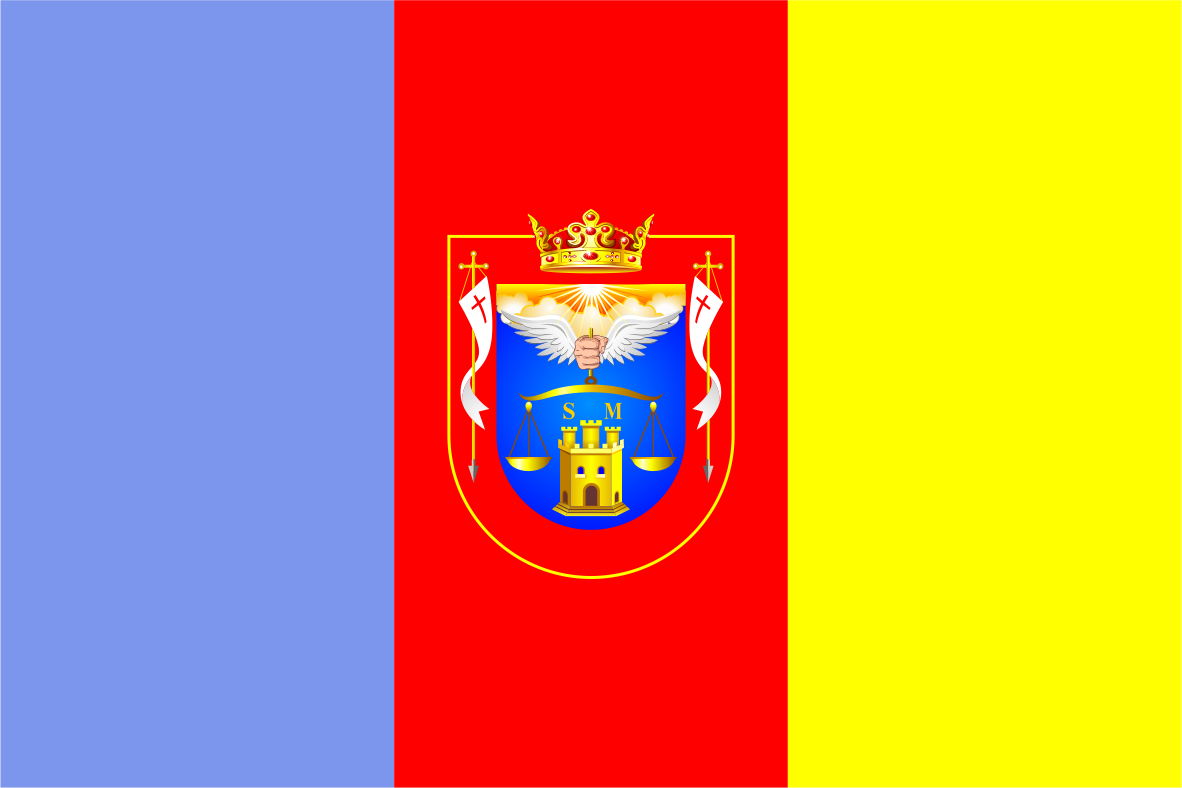




Geography and climate
Piura lies inland from the Pacific coast in a zone of warm, dry to semi‑arid climate influenced by ocean currents and seasonal weather events. The surrounding terrain includes flat coastal plains, irrigated agricultural valleys and the nearby Sechura Desert. Periodic El Niño episodes can bring heavy rains and flooding, while most years are marked by long, hot dry seasons.
Economy and infrastructure
The city functions as a commercial and services center for a region known for agriculture, aquaculture and fishing. Crops grown in the surrounding valleys include tropical fruits and cotton; fishery products are landed at nearby ports. Piura hosts markets, transport links and business services that support the broader regional economy.
Culture, education and crafts
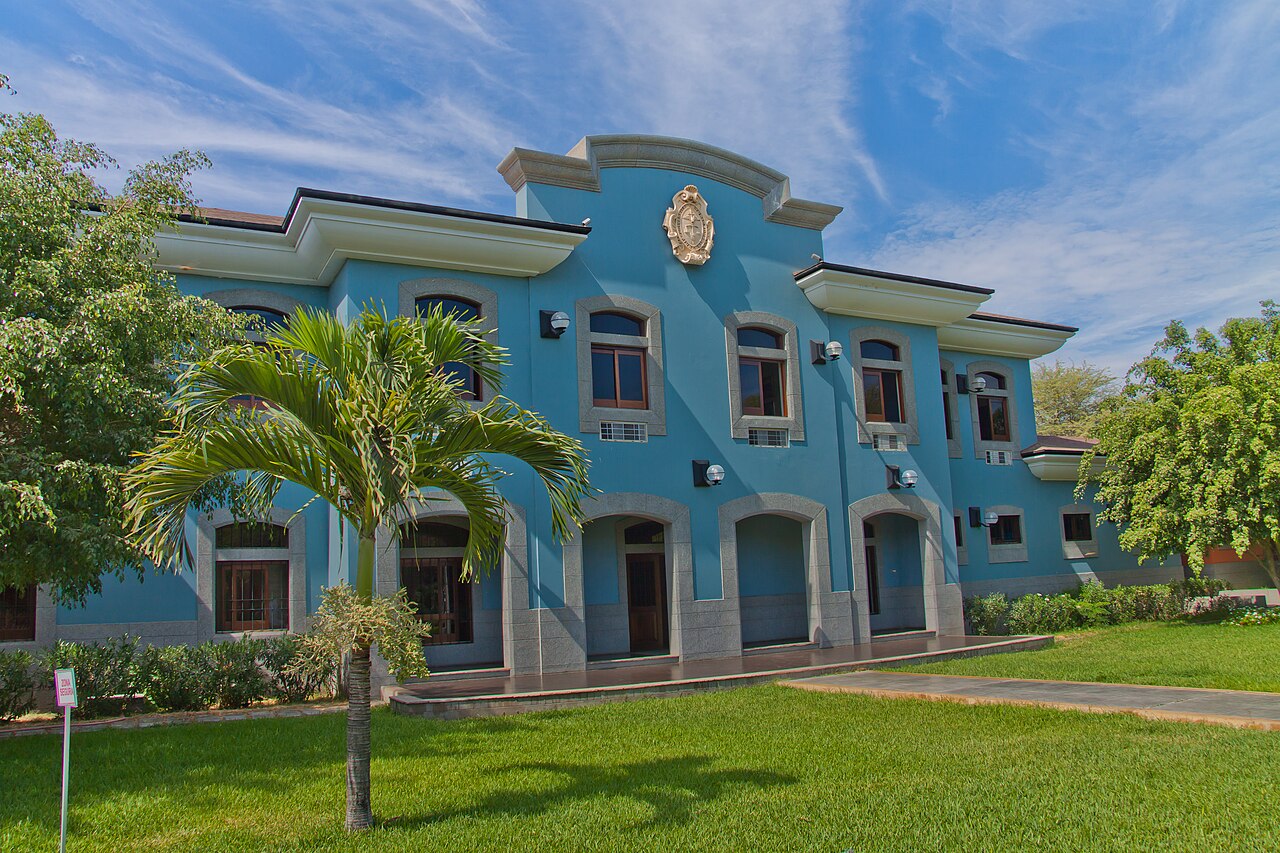
Piura has active cultural life with local traditions, festivals and artisanal production. Nearby towns are noted for pottery, metalwork and handcrafts that supply both local markets and tourism. The city is home to higher education institutions and museums that preserve regional history and arts.
History and development
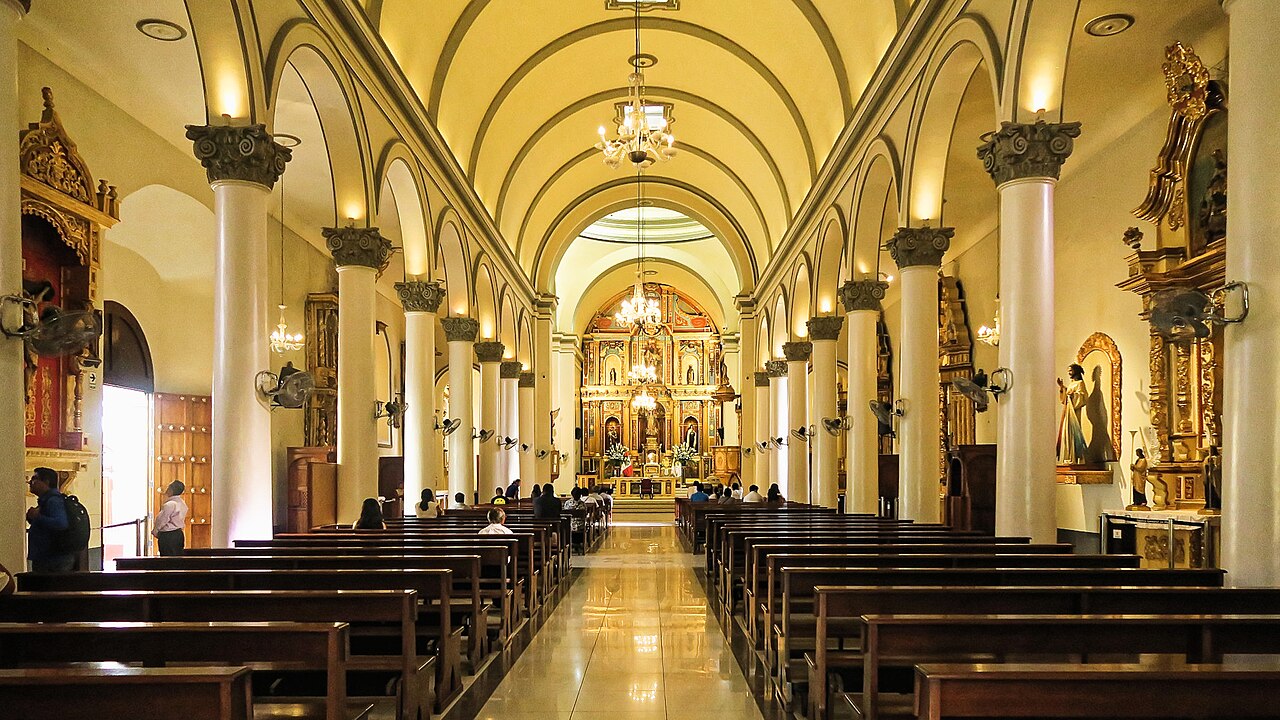
Founded in 1532 under the name San Miguel de Piura, the city is among the oldest Spanish settlements in South America. Its colonial past is visible in some historic buildings, though growth, earthquakes and modern development have reshaped the urban fabric over centuries. Piura expanded in the 20th century as transportation and trade links improved.
Notable features
- Gateway to northern beach destinations and coastal tourism.
- Regional center for agriculture and fisheries.
- Local crafts and markets that reflect northern Peruvian traditions.
- Climatic sensitivity to El Niño, affecting agriculture and infrastructure.
Visitors and researchers often use Piura as a base for exploring the cultural landscape, seasonal coastlines and economic dynamics of northwestern Peru. Practical travel and administrative information is available locally through municipal and regional services.
Related articles
Author
AlegsaOnline.com Piura (Peru) — city and regional capital Leandro Alegsa
URL: https://en.alegsaonline.com/art/77168