
Pin (fastener)
A pin is a small pointed fastener used to join, secure, or mark materials. This article covers common types, construction, history, uses, safety, and differences from related fasteners.
Overview
A pin is a small, typically slender object with a sharp point used to temporarily or permanently hold materials together or to attach items to surfaces. Pins may be made from a variety of materials, commonly metal or plastic, and range from simple straight pieces of wire to shaped devices with heads, clasps, or springs. They are inexpensive, easy to use, and found in domestic, industrial, and decorative contexts.
Image gallery
5 Images



Types and parts
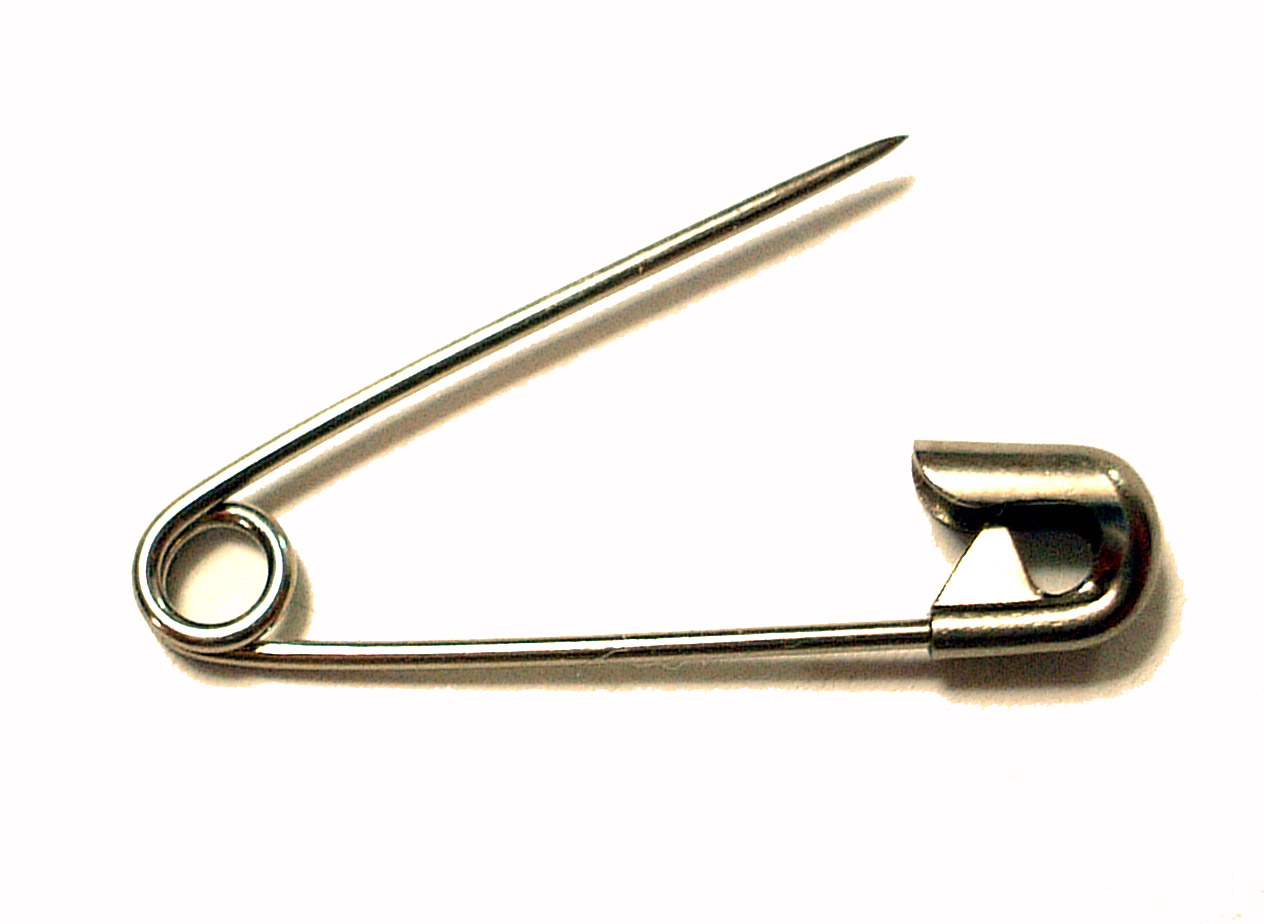
Pins are manufactured in many forms to suit different purposes. Basic elements include a sharp point, a shank or body, and often a head or clasp that prevents the pin from passing completely through the joined materials. Common types include:
- Sewing pins: straight pins with small heads used in tailoring and dressmaking.
- Safety pins: spring-backed pins with a clasp to cover the point.
- Pushpins / thumbtacks: short pins with a broad head for attaching papers to boards.
- Bobby pins and hairpins: shaped for holding hair.
- Cotter pins and split pins: mechanical fasteners used in machinery to secure components.
- Lapel and decorative pins: ornamental attachments used on clothing for identification or display.
History and development
Pins in primitive forms have existed for millennia, made from bone, wood, or metal for fastening garments. The modern safety pin was patented in the United States in 1849 and is commonly credited to Walter Hunt; that invention introduced a spring and a protective clasp that improved safety and convenience. Over time, specialized forms such as pushpins, cotter pins and decorative lapel pins emerged to meet industrial, office and fashion needs.
Uses and examples
Pins serve a wide range of functions: joining fabric temporarily while sewing, fastening diapers or bandages, holding papers on notice boards, securing components in engines or equipment, and serving as badges or symbols. In electronics and prototyping, small pins are used as jumper posts and connectors. Decorative pins are collectible and often used to display membership, achievement or affiliation.
Distinctions and safety
Unlike nails or screws, most pins are intended for light-duty or temporary fastening and are removed easily. They differ from staples and clips in how they pierce and hold materials. Users should handle pins carefully to avoid puncture injuries and keep small pins away from children and pets to prevent choking hazards. Pins made of corrosion-resistant alloys are preferable where moisture or longevity is a concern.
Notable facts
Pins combine simplicity with versatility, which explains their enduring presence in households, workshops and offices. They exist in standardized sizes for specific trades and in bespoke forms for art and design. For further technical specifications or historical sources, consult specialized references on fasteners and textile tools.
Related articles
Author
AlegsaOnline.com Pin (fastener) Leandro Alegsa
URL: https://en.alegsaonline.com/art/76940