
Seal (device): marks, instruments and their uses
A seal is a physical mark or the device that makes it, used to authenticate documents, packages and objects; includes wax impressions, signet rings, embossers and modern seals.
A seal is a physical mark impressed or affixed to a document, container or object to indicate authenticity, authority or privacy. The term also denotes the tool used to produce that mark — a stamp, die, ring or embossing plate. Seals range from simple wax impressions on a letter to large state seals used on formal legislation. For a common historical example see wax seals.
Image gallery
10 Images





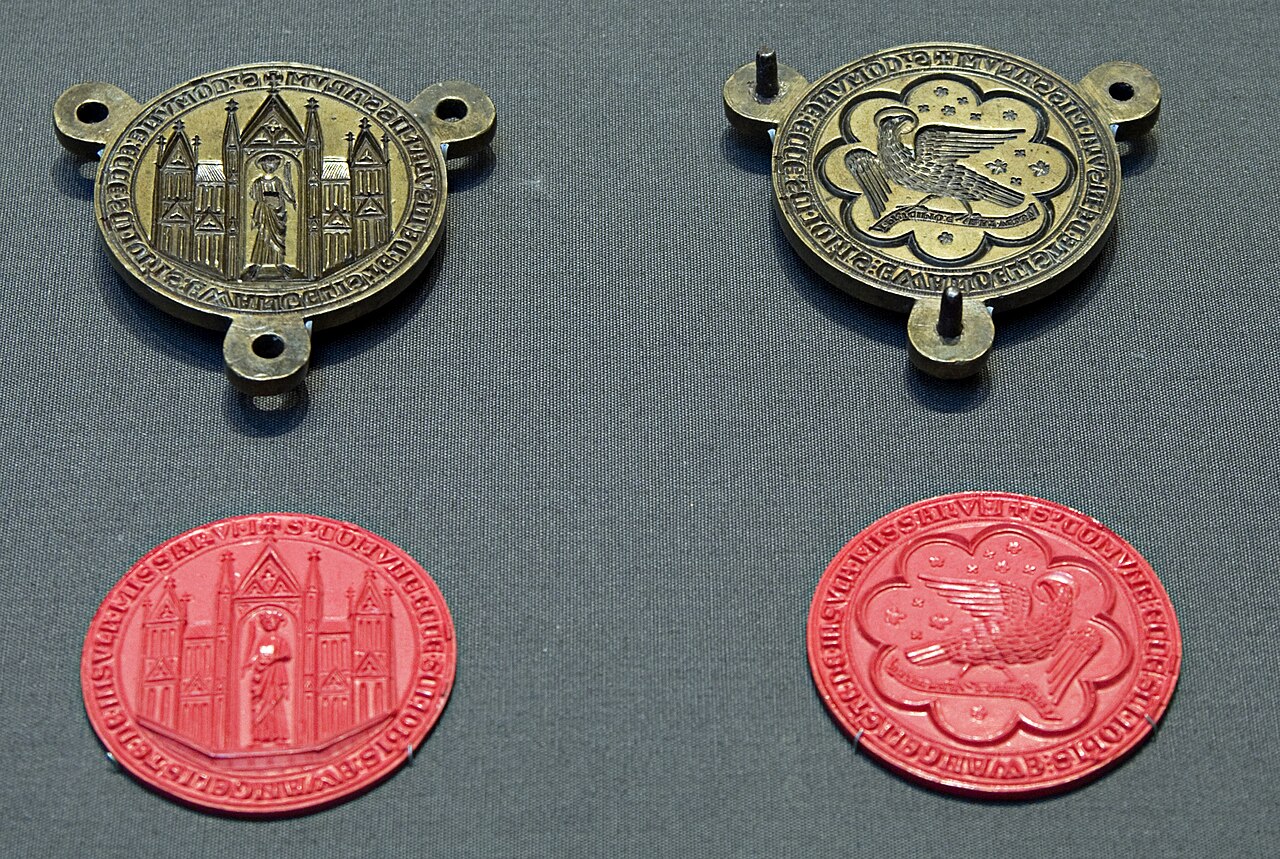

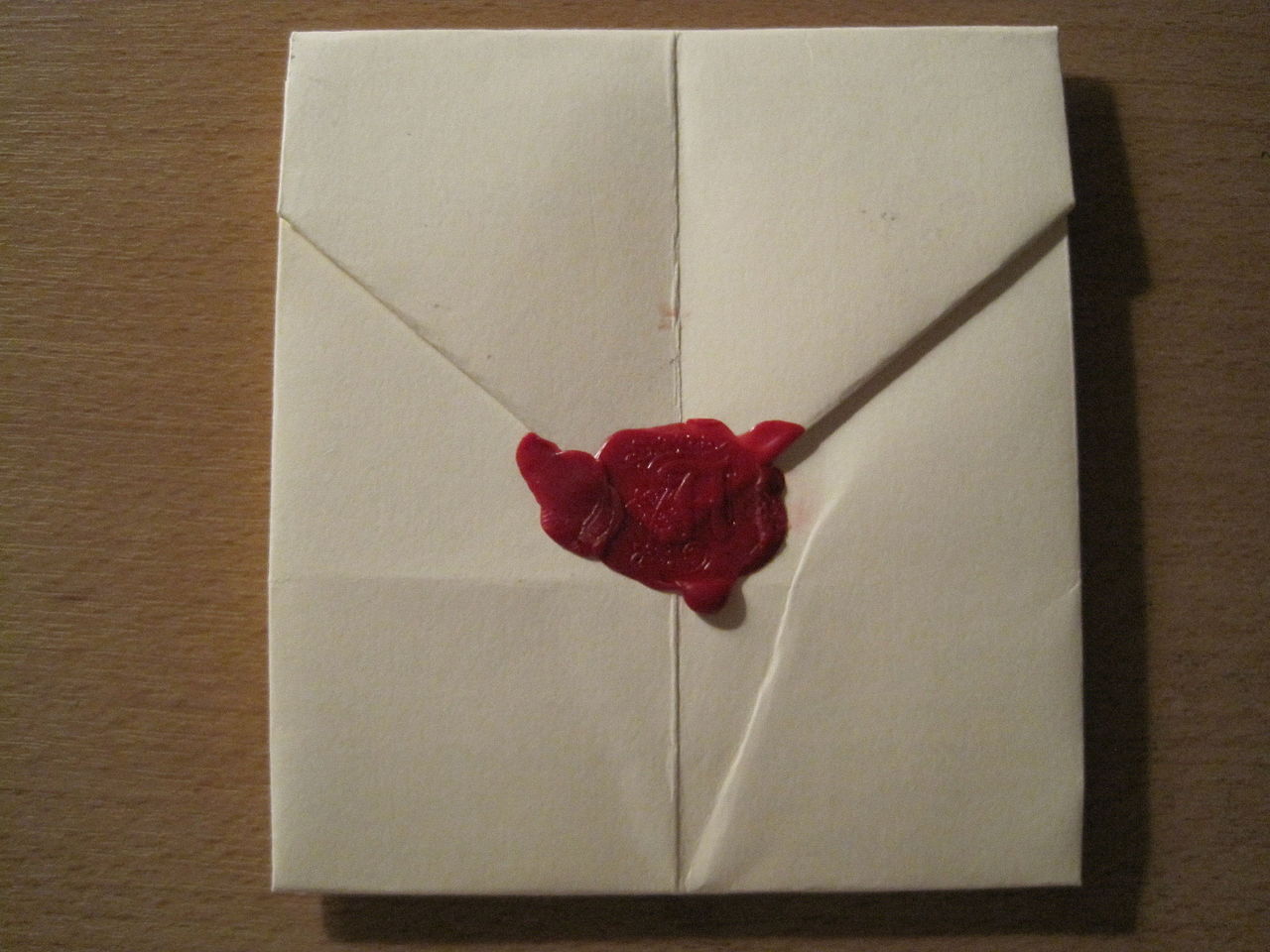
Parts and appearance
Seals typically consist of a matrix (the carved or engraved surface), an impression or cast made from that matrix, and sometimes a legend or inscription identifying the issuer. Materials include wax, lead, paper, metal and modern polymers. Designs often combine text, heraldry, religious or symbolic imagery and decorative borders. The same device can produce either a raised (intaglio) or recessed (relief) impression depending on technique.
History and development
The practice of sealing has ancient roots: cylinder seals and impressed tokens appear in Mesopotamia and Egypt, while signet rings and stamped seals were common in classical and medieval societies. The English word derives from Latin sigillum. Over centuries seals evolved from personal authentication tools to official state devices; they were essential to legal and diplomatic practice before widespread literacy and standardized signatures.
Functions and examples
Seals serve several practical and symbolic roles: verifying identity or authority, securing correspondence or containers against tampering, endorsing legal acts and conveying status. Examples include notarial seals, corporate embossers, heraldic great seals on treaties, and simple envelope seals on private letters. Today physical seals coexist with digital and electronic seals used to protect electronic records.
Types and notable distinctions
- Signet ring: a personal seal worn and used to press a device into wax.
- Pendant seal: hung from a document by cords or ribbons.
- Embosser: creates raised impressions on paper without wax.
- State or great seal: used by governments to authenticate legislation and official acts.
Forgery and tampering have long been concerns, prompting forensic examination of impressions and the growth of specialized study. The academic discipline that investigates seals, their manufacture, use and historical context, is called sigillography. Collecting and conserving seals is important for archival and historical research because seals often preserve iconography and administrative details absent from plain text.
Questions and answers
Q: What is a seal?
A: A seal is something such as a piece of wax which has an official mark on it.
Q: Why is a seal attached to an important letter or document?
A: The seal is attached to make the letter or document official.
Q: What can a seal also refer to?
A: A seal can also refer to the device (e.g. a metal stamp or ring) which is used to make the official mark.
Q: What is the origin of the word "seal"?
A: The word "seal" comes from the Latin word "sigillum".
Q: What do you call the study of seals?
A: The study of seals is called Sigillography.
Q: Why is the study of seals important?
A: The study of seals is important in determining the authenticity of documents and their historical origins.
Q: What is the purpose of using a wax seal or metal stamp?
A: The purpose of using a wax seal or metal stamp is to prevent unauthorized access to the document and to provide a sense of officialness.
Related articles
Author
AlegsaOnline.com Seal (device): marks, instruments and their uses Leandro Alegsa
URL: https://en.alegsaonline.com/art/88298