
Pierre-Marie Rudelle: French Trompe-l'œil Painter (1932–2015)
French trompe-l'œil artist celebrated for illusionistic decorative painting and high‑profile commissions, including trompe-l'œil doors for Jacqueline Kennedy at the White House; born and died in Paris.
Overview
Pierre-Marie Rudelle (18 June 1932 – 28 December 2015) was a French painter who specialised in trompe-l'œil — the decorative technique that creates realistic illusionary images on flat surfaces. During a long career devoted to interior decoration and mural work, Rudelle became known for precise, finely modelled illusionism that blended classical motifs with modern domestic settings.
Image gallery
1 Image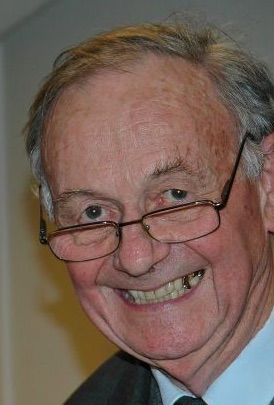
Technique and style
Rudelle worked in the tradition of mural and decorative painters who aim to trick the eye. His works use careful perspective, shadowing and detailed rendering of texture to suggest depth and three-dimensional forms such as doors, architectural features, drapery and objects. He typically painted directly on walls and panels, producing pieces meant to integrate with interior architecture rather than stand alone as easel paintings.
Notable commissions
He received several high-profile commissions that brought international attention to his craft. Among these were decorative doors created for Jacqueline Kennedy for her dressing room at the White House. Other patrons included public figures and private clients abroad. Examples of clients often cited in accounts of his career include:
- Mohammad Reza Pahlavi, the last Shah of Iran.
- Diplomats and social figures such as Pamela Harriman.
Life and background
Rudelle was born in Paris and maintained strong connections to the French decorative arts scene throughout his life. He produced commissions for interiors in Europe and elsewhere and exhibited a craft rooted in traditional studio practice. Rudelle died in Paris on 28 December 2015 at the age of 83, leaving behind a body of work associated with 20th‑century revival decorative painting.
Legacy and distinctions
Although not a household name in the mainstream history of modern painting, Rudelle is recognised among collectors and connoisseurs of decorative and illusionistic art for keeping trompe-l'œil techniques in use for contemporary interiors. His commissions for well-known public figures helped to publicise the possibilities of painted illusion as an element of sophisticated interior design. For further reading on trompe-l'œil and related decorative traditions, consult reference materials in decorative arts and mural painting collections or institutional catalogues in major museums.
Related articles
Author
AlegsaOnline.com Pierre-Marie Rudelle: French Trompe-l'œil Painter (1932–2015) Leandro Alegsa
URL: https://en.alegsaonline.com/art/76817
Sources
- commons.wikimedia.org : Pierre-Marie Rudelle
- avis-de-deces.net : "Espace dédié à Pierre Marie RUDELLE"