
Acropolis of Athens
The Acropolis of Athens is the ancient citadel on a limestone outcrop above Athens, Greece, famous for the Parthenon and other classical monuments, and a symbol of classical civilization.
Overview
The Acropolis of Athens is the prominent rocky plateau that rises above the modern city of Athens. Often simply called the Acropolis or The Acropolis, it has served since antiquity as a fortified high point and a sacred precinct dedicated chiefly to the goddess Athena. Its most recognisable building is the Parthenon, but the site includes several additional temples, altars and structures clustered on the hilltop. The term acropolis more broadly denotes a fortified high place in many ancient Greek cities; the Acropolis of Athens is the best known example.
Image gallery
10 Images




Main monuments and features
The surviving classical ensemble on the hilltop presents a compact group of monuments that exemplify fifth-century BCE Athenian architecture and religion. Major elements include:
- Parthenon — the large Doric temple that housed a statue of Athena and served as the focal point of the sanctuary.
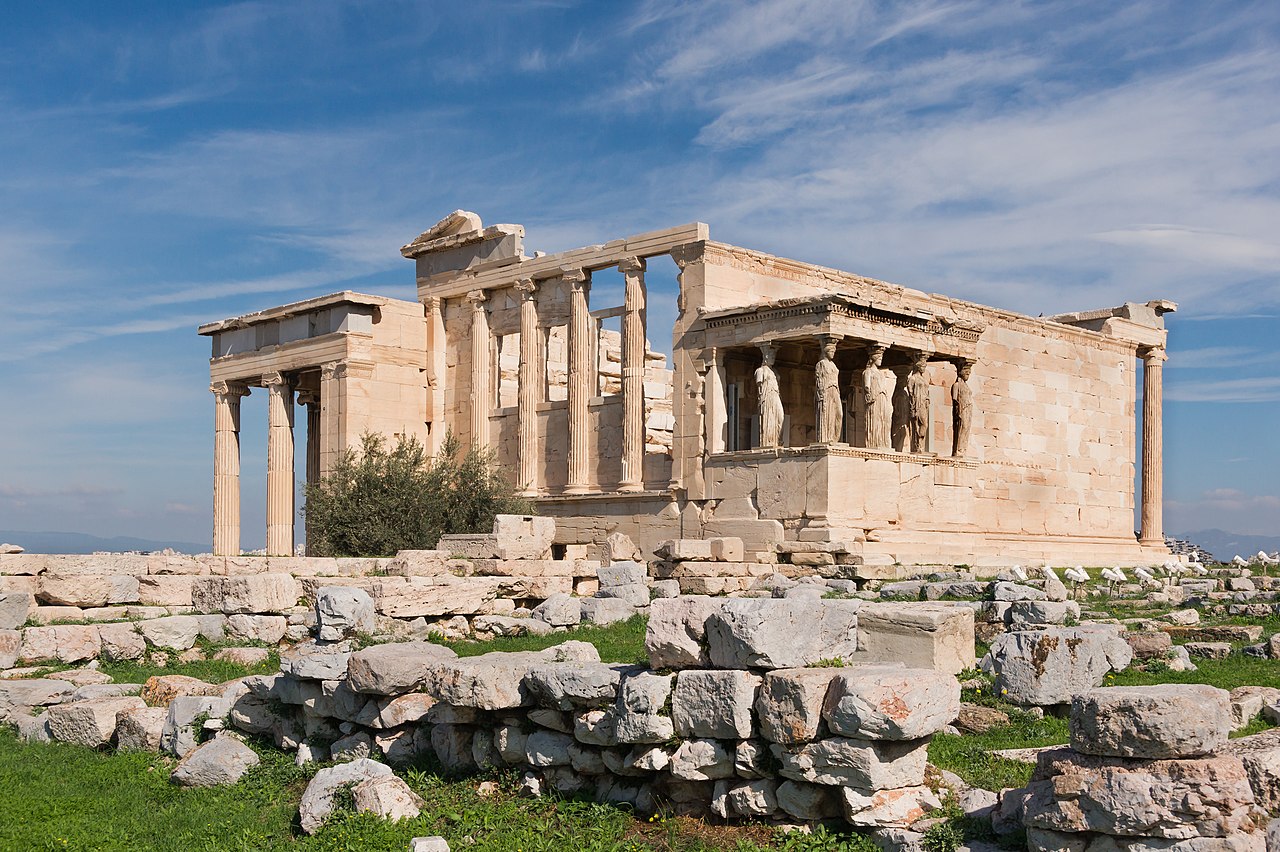
- Erechtheion — a temple notable for its Caryatid porch and complex ground plan associated with multiple cults.
- Propylaia — the monumental gateway that marks the entrance to the sacred area.
- Temple of Athena Nike — a small Ionic temple celebrating victory and protection.
History and development
The site has evidence of habitation and worship from the Neolithic and Mycenaean periods, but its definitive classical appearance dates to the fifth century BCE during the leadership of Pericles, when an ambitious building program transformed the hill into a monumental acropolis. The complex suffered damage in later centuries — from Gothic, Ottoman and Venetian military use, as well as from earthquakes — and various sculptures and decorative elements were removed or dispersed. Archaeological investigation and conservation work over the past two centuries have aimed to document, stabilize and restore elements of the classical monuments.
Significance, use and conservation
Beyond its original religious functions, the Acropolis has been a symbol of Athenian democracy, classical art and Western cultural heritage. It attracts millions of visitors each year and is protected as an archaeological site and UNESCO World Heritage property. Ongoing conservation addresses structural repair, cleaning, and the ethical challenges of reconstruction and the repatriation of artifacts. The Acropolis remains a living emblem of ancient Greece and a central reference point for studies in architecture, archaeology and history.
Notable facts
The Acropolis combines layered historical phases, from prehistoric use through classical grandeur to modern preservation. Its iconic silhouette and the Parthenon's sculptural program continue to influence art, education and national identity. For further reading and resources, consult specialized studies or visitor information provided by official cultural institutions and archaeological authorities.
Tags
Related articles
Author
AlegsaOnline.com Acropolis of Athens Leandro Alegsa
URL: https://en.alegsaonline.com/art/764