
Philistines: Ancient peoples of the southern Levant
Ancient people in the southern Levant noted in Egyptian records and the Hebrew Bible; associated with a coastal pentapolis, probable Aegean connections, distinctive material culture, and a complex historical legacy.
Overview
The Philistines were a prominent population in the coastal region of the southern Levant during the early Iron Age. They appear in Egyptian inscriptions and in the Hebrew Bible under a variety of names; their Hebrew designation is noted in some texts as Plištim. Biblical narratives and later scholarship present them as one of the principal neighbors and rivals of early Israelite groups, and they figure in accounts of the Bible and the Judges period.
Image gallery
10 Images
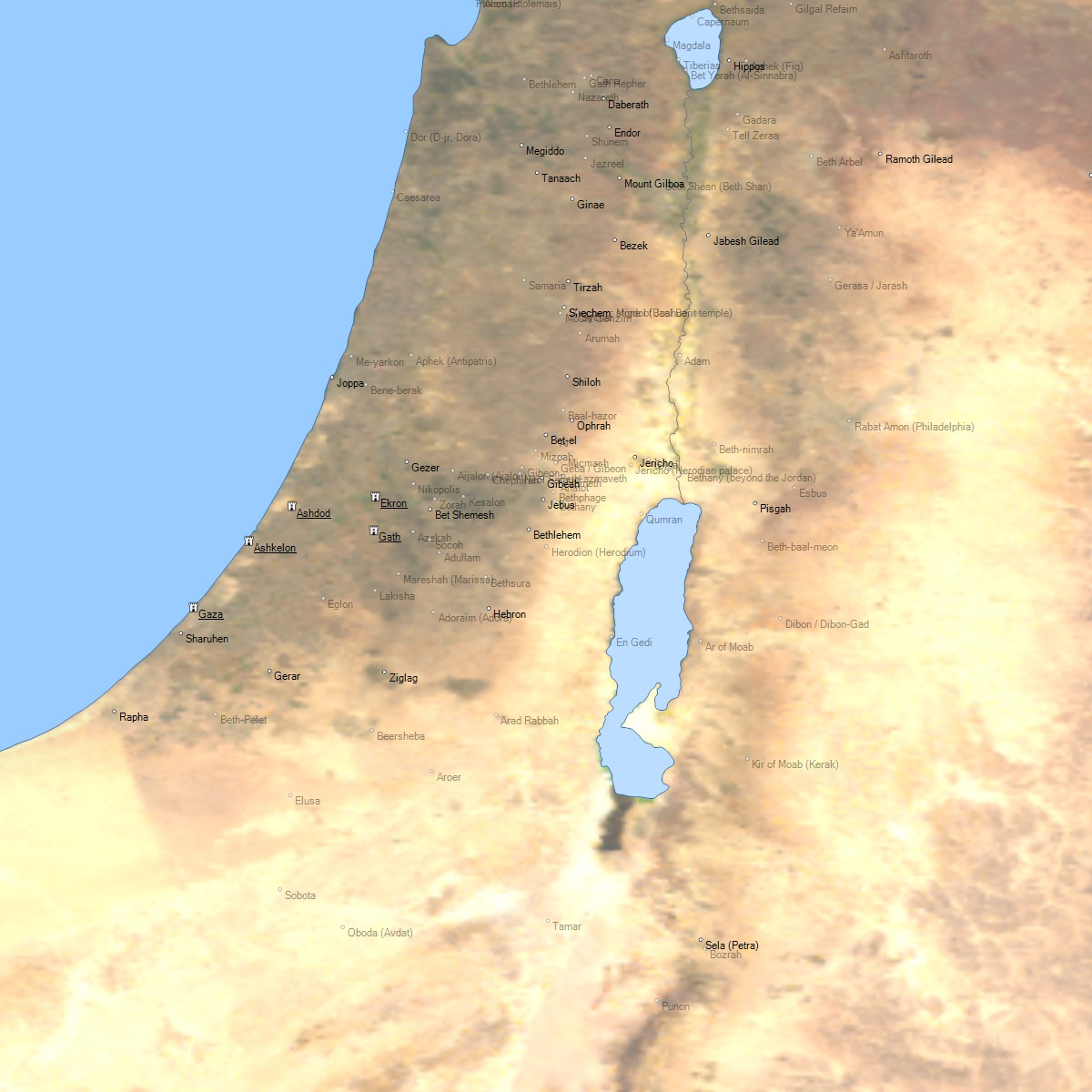



Settlements and society
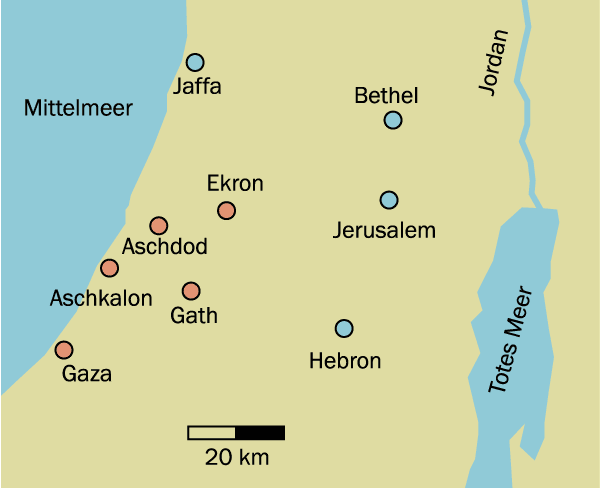
Archaeology and textual sources indicate that the Philistines organized around a coastal pentapolis of major city-states. Key centers traditionally include:
- Gaza
- Ashkelon
- Ashdod
- Ekron
- Gath
These cities acted as political and economic hubs controlling maritime trade routes and fertile hinterlands. Social life combined local Levantine practices with material traits that suggest external origins and connections.
Origins and chronology
Modern scholars connect the Philistines to migrant groups that arrived around the end of the Late Bronze Age (often linked with the so-called "Sea Peoples"). Biblical traditions also associate them with groups called the Caphtorim and names that evoke Aegean islands such as Crete. Many researchers therefore see an Aegean-influenced element in their early formation, while stressing significant adaptation to Levantine contexts over time.
Archaeology and material culture
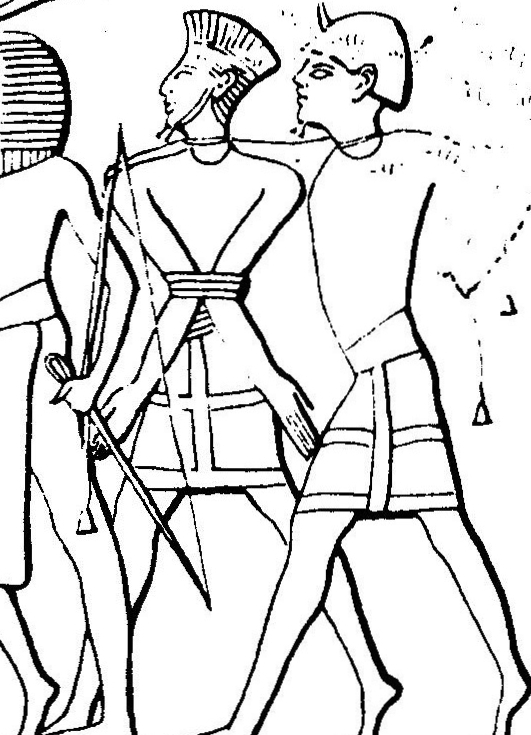
Excavations at sites identified with Philistine centers have recovered distinctive pottery styles (including bichrome ware), architectural features, and artifacts that differ from neighboring cultures. Archaeological work referenced by a range of scholars shows gradual assimilation: initial foreign elements gave way to mixed material culture and local practices. Egyptian inscriptions refer to groups called the Peleset, which many researchers link to the Philistines.
Biblical interactions and historical role
In biblical accounts the Philistines are often portrayed as adversaries of Israelite leaders—figures such as Samson, Saul and David are set against Philistine opponents, including the famous story of David and Goliath. The texts describe military, economic and religious tensions between the communities; archaeological evidence both confirms contact and highlights differences between literary depiction and material reality. Some passages associate the Philistines with the label enemies of Israel, though that term reflects the perspective of particular sources.
Legacy and notable facts
The Philistine identity declined under successive imperial powers and through assimilation with local populations, but their presence shaped regional politics, economy and culture in the early Iron Age. Important modern research topics include their migration history, linguistic traces, dietary practices, and urban organization. For further cultural and textual study see general summaries and specialist works cited by historians and archaeologists (see Hebrew sources, biblical studies and archaeological reports at Bible-related collections and contemporary research portals such as studies of the Judges period and analyses by current scholars).
Additional reading can explore how ancient references connect to wider Mediterranean movements and the continuing debate over the balance of migration versus local adoption in Philistine origins, a subject discussed in contexts that reference both the Aegean world and Egyptian records (see also Crete and the Aegean).
Related articles
Author
AlegsaOnline.com Philistines: Ancient peoples of the southern Levant Leandro Alegsa
URL: https://en.alegsaonline.com/art/76480
Sources
- commons.wikimedia.org : Philistines
- ngm.nationalgeographic.com : National Geographic article
- dabar.org : List of Biblical References to Philistines or Philistia
- dig-gath.org : Tell es-Safi/Gath Archaeological Project Website
- gath.wordpress.com : Tell es-Safi/Gath Archaeological Project Blog · web.archive.org
- phoenixdatasystems.com : Neal Bierling, Giving Goliath his Due: New Archaeological Light on the Philistines (1992)
- en.wikisource.org : "Philistines"
- en.wikisource.org : "Philistines"
- bib-arch.org : Biblical Archaeology Review - Yavneh Yields Over a Hundred Philistine Cult Stands