
American Indian Wars
A summary of the armed conflicts, causes, policies, and legacy of wars between Indigenous peoples and European, American, and Canadian governments across North America from the 17th century to the early 20th century.
Overview
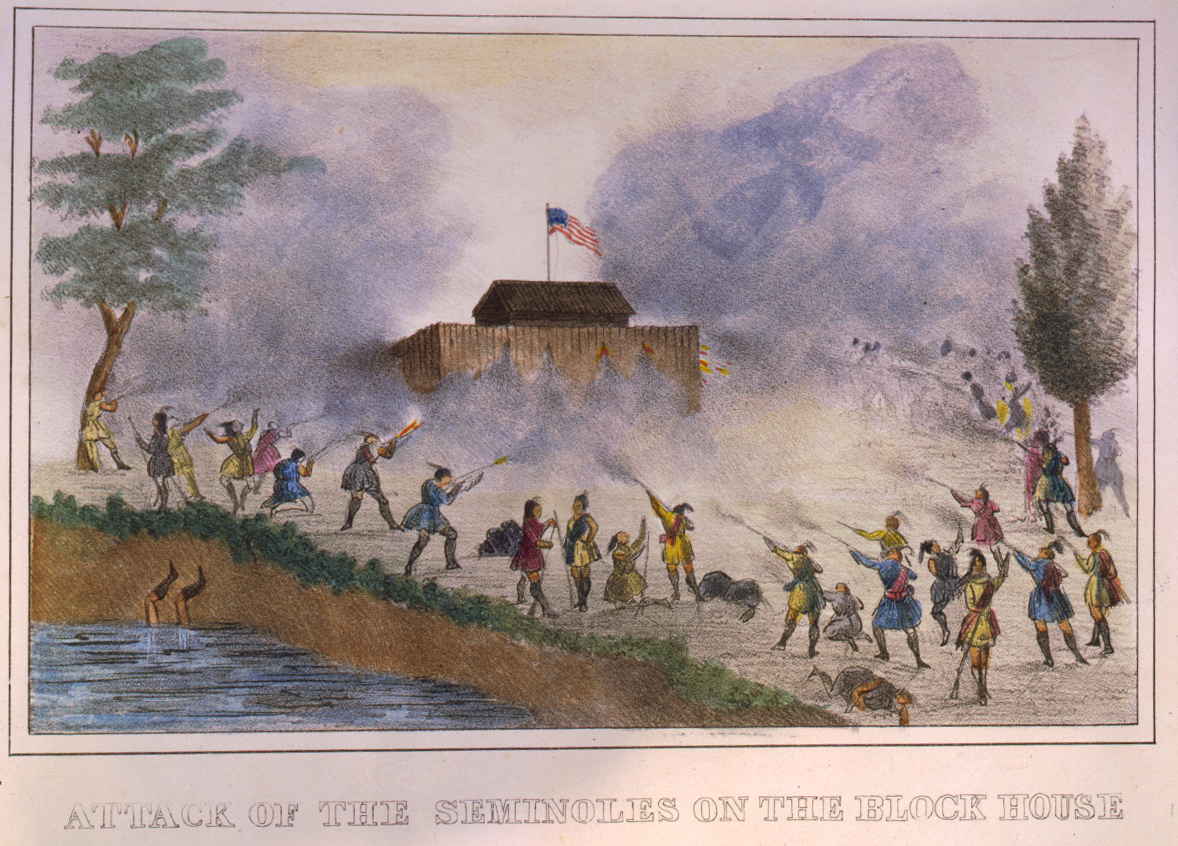
The term "American Indian Wars" refers to a long series of armed encounters, campaigns and sustained conflicts between Indigenous peoples of North America and European colonists, as well as the successor governments of the United States and Canada. These clashes, sometimes called the Indian Wars or the First Nations Wars (French name), occurred in many regions of North America from the earliest colonial settlements in the 1600s into the early decades of the 20th century. They involved hundreds of distinct Indigenous nations and a variety of European powers and colonial governments.
Image gallery
10 Images



Causes and characteristics
Causes of the conflicts were multiple and often overlapping. Key factors included competition over land and resources; differing concepts of land tenure and sovereignty; trade rivalries and diplomatic disputes; reprisals for raids or crimes; and imperial struggles in which European powers and later American or Canadian authorities enlisted Indigenous allies. Warfare styles ranged from small-scale raids and ambushes to protracted campaigns and sieges; both irregular guerrilla tactics and conventional pitched battles took place.
- Land and settlement pressure as colonists expanded
- Imperial rivalries and alliances between tribes and European states (European actors)
- Resource competition, trade friction and legal disputes
- Forced removals, broken treaties and shifting federal policies
Not all conflicts involved the same parties or motives: some tribes fought to preserve territory and autonomy, others allied with colonial forces against local rivals, and local patterns of violence could vary markedly by region and period.
Chronology and major policy shifts
During the colonial era, European powers fought both one another and Indigenous nations for control of territory and trade. Imperial proclamations and treaties sought to regulate settlement—most notably the British Royal Proclamation of 1763, an important legal reference in British North America and later Canadian jurisprudence (Royal Proclamation, 1763). In Canada the process of treaty-making, including the later Numbered Treaties, reshaped relations and limited the frequency of some large-scale confrontations (treaty system).
After American independence and into the 19th century, pressure from settlers moving west of established borders increased the size and intensity of conflicts. The War of 1812 had a major impact on Indigenous power in parts of the continent, contributing to the collapse of some pan-Indian coalitions (War of 1812) and leading to new alignments and losses of territory (Indian coalitions). In the United States the Indian Removal Act of 1830 authorized large-scale forced relocations of tribes from lands east of the Mississippi River to areas the government treated as frontier or Indian Territory (Indian Removal Act).
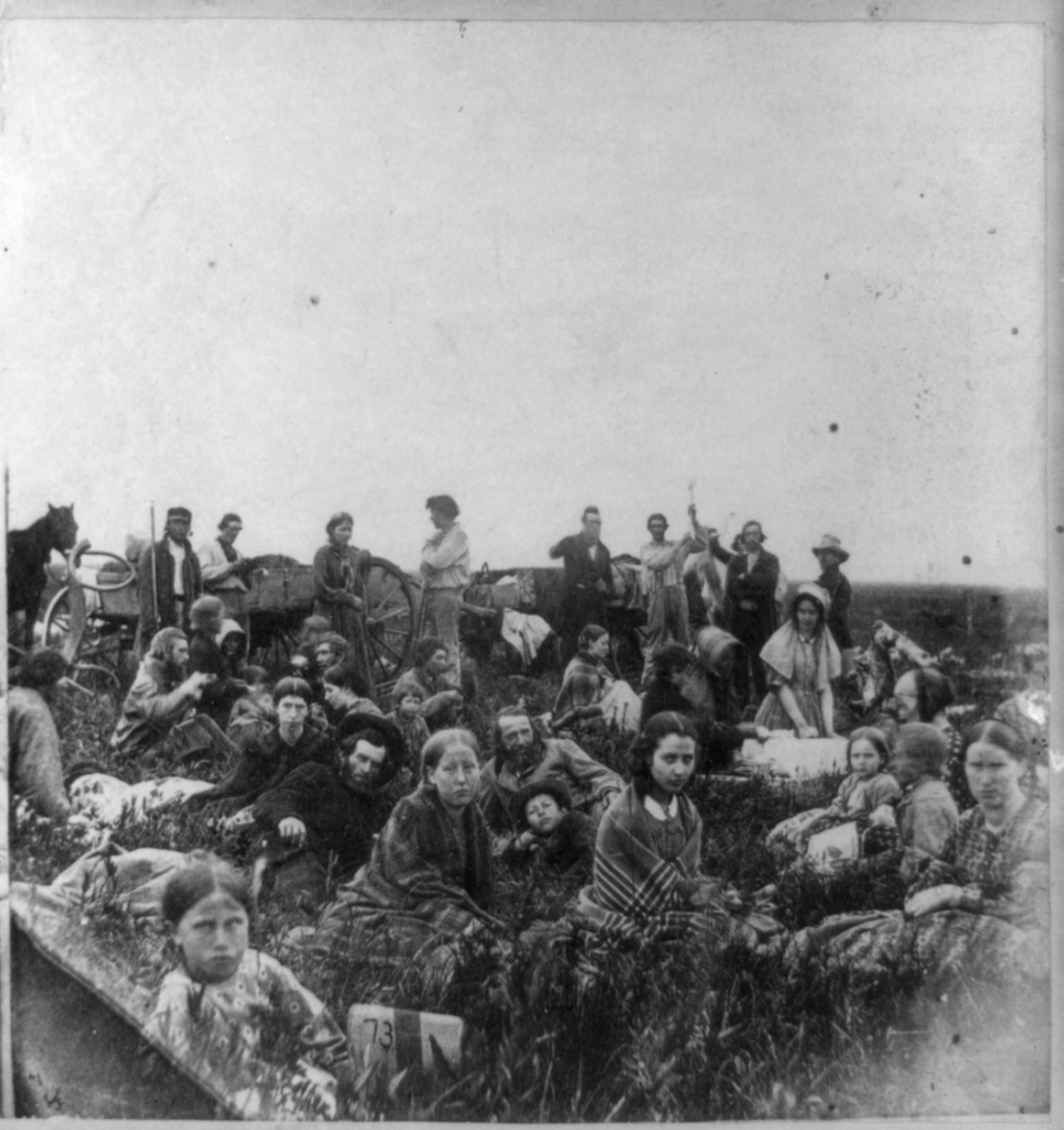
By the mid- to late 19th century U.S. federal policy shifted from systematic removal to the reservation system, which confined many tribes to defined parcels of land under federal supervision. Throughout the 19th and into the early 20th century, conflicts continued in localized form in various states and provinces as governments, settlers and Indigenous peoples contested land use, sovereignty and treaty terms (regional and state conflicts).
Outcomes and legacy
The long series of Anglo-Indigenous, American-Indigenous and Canadian-Indigenous wars left profound and lasting consequences: dispossession of territories, demographic and cultural disruption, changing political structures, and enduring legal and moral disputes over treaties and rights. The wars were not a single unified phenomenon but a complex set of episodes reflecting the diversity of Indigenous nations and the changing objectives of colonial and later national authorities.
Studying these conflicts requires attention to multiple perspectives—Indigenous oral histories, colonial documents, military records and subsequent legal rulings. Their legacy continues to shape contemporary debates about land claims, treaty interpretation, cultural restoration and commemoration. For further background and primary sources see historical collections and specialized studies that examine particular regions, campaigns and treaties in depth (French sources, European archives, and national repositories such as those addressing North American colonial records).
Key themes for further exploration include the diversity of military strategies, the role of diplomacy and treaty-making, patterns of alliance and rivalry among Indigenous nations, and the legal and social consequences of territorial displacement.
Questions and answers
Q: What is the name of the conflict between European, American and Canadian governments and various American Indian and First Nation tribes?
A: The conflict is known as the American Indian Wars (also known as the Indian Wars or the First Nations Wars; French: Guerres des Premières Nations).
Q: When did these conflicts take place?
A: These conflicts took place in North America from the time of the earliest colonial settlements in the 17th century until the 1920s.
Q: What were some of the causes of these wars?
A: Some of the causes for these wars included cultural differences, land disputes, and crimes committed by both sides. In addition, European powers and their colonies enlisted Indian tribes to help them do war against each other's colonial settlements.
Q: How did US policy towards Native Americans change after 1780?
A: After 1780, as white settlers went west across America, there was an increase in size, length of time, and intensity of conflicts between settlers and various Indians. After this period US policy changed from removal to relocating Indian tribes to specially designated and federally protected reservations.
Q: What law was passed by Britain that limited conflicts with native peoples in Canada?
A: The British Royal Proclamation of 1763 was passed which banned white settlers from taking lands from native peoples without signing a treaty with them. This law is still valid today in Canada along with 11 Numbered Treaties which also limit conflicts.
Q: What was one major conflict during this period?
A: One major conflict during this period was War of 1812 which resulted in defeat for major Indian coalitions in Midwest and South regions.
Q: How did US policy towards Native Americans change after 1830? A: The Indian Removal Act of 1830 allowed for US government to remove natives from east Mississippi River area to west region which they believed to be empty frontier (although many tribes had territory here). Eventually federal US policy changed so that instead they relocated Native American tribes to specially designated federally protected reservations
Related articles
Author
AlegsaOnline.com American Indian Wars Leandro Alegsa
URL: https://en.alegsaonline.com/art/3427