
Phidim Municipality
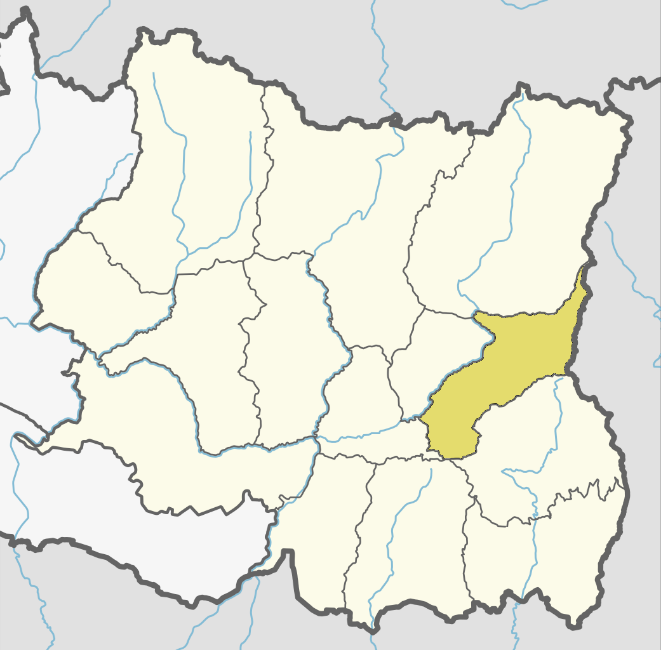
Phidim Municipality in eastern Nepal is the administrative center of Panchthar District. Formed by merging three village units in 2014, it is a local hub for administration, trade, culture and transport.
Overview
Phidim Municipality is an urban local body in eastern Nepal. It functions as the principal town and administrative center of Panchthar District, historically placed in the Mechi Zone of the country’s earlier zonal system. Phidim serves as a regional market, service centre and transit point for surrounding hill communities.
Image gallery
2 Images
History and formation
The municipality was established on 18 May 2014 by merging the previously separate village development committees of Phidim, Chokmagu and Siwa. This consolidation aimed to streamline local governance and improve delivery of municipal services. In the broader national context, Nepal’s local and provincial structures have been reformed in recent years, altering some of the earlier zonal and district relationships.
Geography and climate
Located in the hilly terrain of eastern Nepal, Phidim lies amid valleys and ridges typical of the Lesser Himalaya foothills. The area has a temperate to subtropical climate, with seasonal monsoon rains and milder temperatures than the high mountains. Surrounding slopes are used for terraced farming and forest resources.
Economy and society
The municipality functions as a trading and administrative hub. Local agriculture, including terrace cultivation and cash crops commonly grown in the region, supports markets in town. Small businesses, government services, schools and health facilities are concentrated in the municipal center. The population is ethnically diverse, reflecting the mosaic of hill communities, and local festivals and markets remain important social institutions.
Services and infrastructure
- Administrative offices and district services
- Educational institutions and basic healthcare facilities
- Retail markets, banking and local commerce
- Road links connecting to nearby towns and district villages
Transport, tourism and notable facts
Phidim is accessible by road from other parts of Province and serves as a staging point for treks and visits into the surrounding hills. While not a major tourist center, it attracts visitors interested in rural culture, local markets and short hill excursions. The 2014 merger that created the present municipality is a key recent administrative milestone, intended to concentrate services and planning at a municipal level.
Related articles
Author
AlegsaOnline.com Phidim Municipality Leandro Alegsa
URL: https://en.alegsaonline.com/art/76381
Sources
- myrepublica.com : 72 new municipalities announced
- ekantipur.com : Govt announces 72 new municipalities